
Cure Your Bleeding Gums While Brushing Today
Cure Your Bleeding Gums While Brushing Today
It is a frightening experience when the gums start bleeding when cleaning the teeth, and many people go through such a fright at one time or another. Though it is a common occurrence, this is one of the signs that you might be putting your oral health at risk.
Such a symptom might be disregarded, which might result in neglecting a bigger problem, potentially concerning the oral hygiene habits, the nutritional deficiency, or the underlying health problems. It is important to know why this happens so as to be in a position to do something before a little problem develops into a bigger issue.
Good dental hygiene starts with healthy gums, not only in terms of aesthetics, but also in terms of health in general. Studies continue to grow that suggest that gums are directly connected to overall health, including heart disease and diabetes. That is why it is crucial to deal with problems such as bleeding gums, not only to have a brighter smile but to live a healthier life.
There are some effective solutions to bleeding gums, which we will discuss in this article, and which include some natural solutions that can help to create harmony in your mouth and increase your confidence. Find out how small changes in your habits can result in a big change in your life and your gum health.
Average Reason behind bleeding gums
Gums bleeding during the act of brushing teeth is something that every individual encounters on a daily basis, and when it comes to brushing teeth, people do not pay much attention to it, and when the problem advances, it becomes a major issue. Poor oral hygiene practices are one of the major offenders in this issue and may cause the accumulation of plaque in the teeth and gums.
A failure to remove plaque adequately by brushing up and flossing results in the hardening of plaque to form tartar, which creates a condition that encourages gum irritation and inflammation. Such an irritative reaction may lead to bleeding during brushing, which is a frightening fact that your body is telling you that your dental health care routine requires an urgent follow-up.
But what needs to be realised is that bleeding gums would not only be a consequence of ineffective oral care. Comorbid health issues, including diabetes or vitamin deficiencies, also have a great influence on the health of the gums. As an example, patients with diabetes are also prone to infections such as periodontal disease, which is characterised by red and swollen gums with easy bleeding.
Equally, deficiency of some necessary vitamins, specifically, Vitamin C, may affect the functioning of healthy gums in your body, resulting in other illnesses such as scurvy, which also has symptomatic bleeding. The realisation of such health relationships highlights the need not only to have good dental practices, but also a balanced lifestyle.
Gum sensitivity can also change with the hormonal changes, particularly the changes in puberty, menstruation, pregnancy, or menopause, and they are thus more susceptible to bleeding. As an example, in the case of pregnancy, hormonal changes could contribute to the fact that gum tissues are more responsive to plaque, which leads to an increased risk of gingivitis.
This highlights the importance of people in such hormonal changes to be on high alert with their oral health by taking into consideration preventive as well as herbal rinses to provide the system with an added boost when inflammation is concerned.
To conclude, the many reasons behind bleeding gums during brushing of teeth show how complex oral health is. Since it is important to maintain a balanced daily care regimen, regardless of how much one understands about the underlying health conditions and the hormonal factors, a holistic approach is a very important element in dealing with gum concerns.
Ingesting anti-inflammatory foods, including leafy greens or berries, can also improve the health of your gums and can be a great addition to your dental care practice. With the realisation of these universal causes, you will be in a position to take proactive action to correct your gum problems and promote a healthier overall mouth.
Critical Oral Health Care
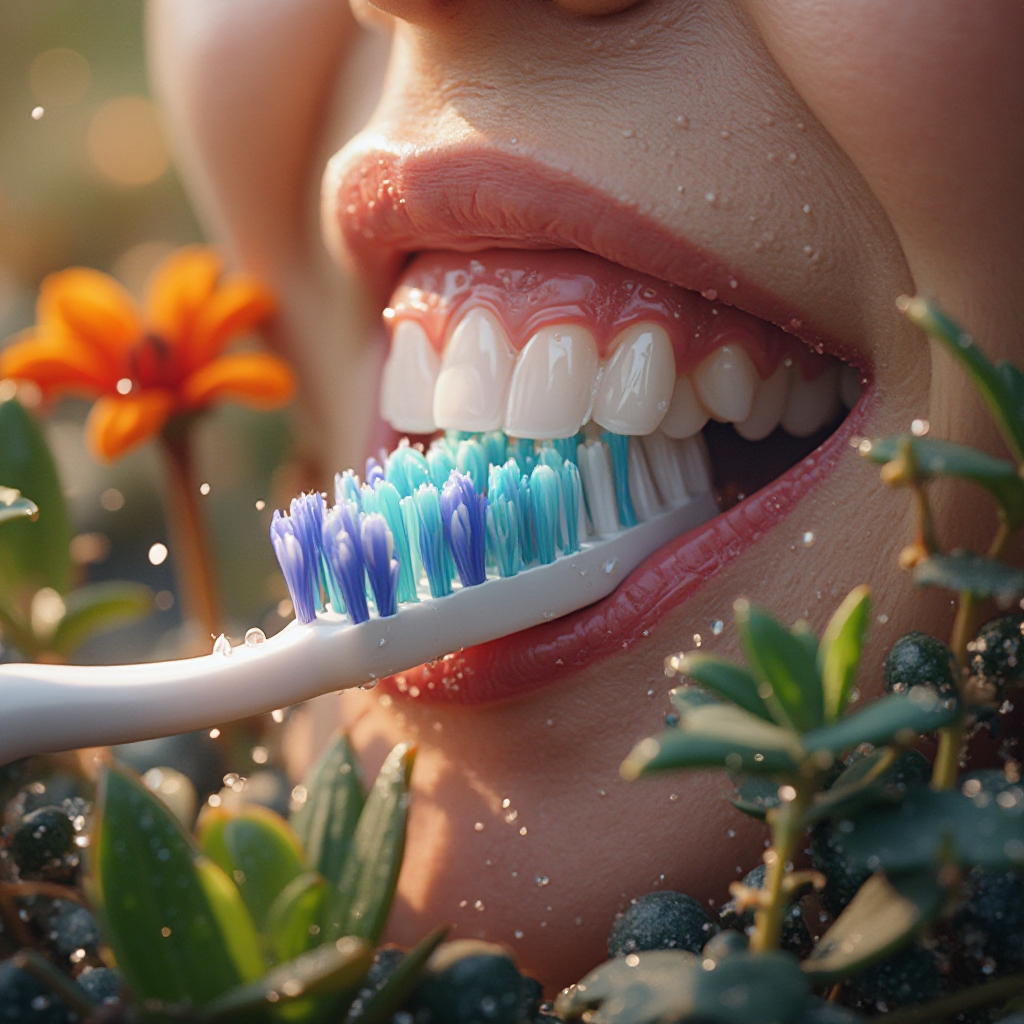
The initial attack against bleeding gums is to maintain good oral hygiene. Flossing and regular brushing are not mere suggestions; they are critical steps that would significantly improve your gum condition. You should brush twice a day in a soft, circular motion that can remove the plaque and food with ease and does not damage your gums.
Flossing at least once a day will remove debris stuck in the gaps between teeth that the toothbrush cannot access to avoid inflammation and bleeding. In the case of those who are struggling with the conventional string floss, it is possible to try floss picks or water flossers, which may simplify this essential measure and make it more pleasant.
Another important feature of proper dental care is the choice of a toothbrush and toothpaste. Use a soft-bristled toothbrush that is gentle on the teeth and other gums. The significance of toothpaste is also known to many individuals, and taking a toothpaste containing fluoride may go a long way in reinforcing the tooth enamel and preventing gum disease.
There are those who enjoy toothpaste that is specially made to work with sensitive gums or those with natural constituents that can maintain the health of the gums. As an example, those that contain aloe vera and tea tree oil are not only cleansing but also anti-inflammatory, which is especially significant in the case of people who may already have problems with their gums.
Dental check-ups are very important in the prevention of gum disease and other oral diseases. Regular visits to your dentist once every six months have the benefit of getting your teeth professionally cleaned, eliminating the accumulation of tartar that regular brushing and flossing cannot eliminate. Moreover, your dentist has the ability to keep track of the changes in the state of your gums and discuss the specifics of oral hygiene that could suit you.
They are able to notice the initial signs of gum disease and hence take necessary action early enough before other severe problems emerge. Dental visits should not be on the list of ethical compromises: by treating them like a pillar of your dental health, you can have a healthier and happier smile in the long term.
By employing proper oral health habits, such as using good brushing and flossing methods, using the correct types of dental products, and frequent check-ups, among others, you can greatly decrease the chances of bleeding gums. With these habits in place, you are not only helping yourself in terms of oral health, but also your general health. These practices are not only the ones worth prioritising to create a path that will lead you toward healthier gums, but a brighter and more confident smile as well.
Healthier Gums through Changes in Diet
Stressing your diet can be of significant help in taking care of your gums. Oranges, strawberries, and bell peppers are also good sources of vitamin C, and they are especially helpful since they help your body produce collagen, which is a vital protein needed to keep the structural integrity of your gums intact. Further, the antioxidants present in berries, nuts, and green leafy vegetables may assist in fighting inflammation and preventing gum disease.
Incorporating these nutrient-rich foods into your diet, you will naturally help in removing the plaque and enhancing your immune system against the harmful bacteria, which are, in most cases, causing gum problems.
But being conscious of what you eat is also essential. The number of sweets and acidic products, e.g., candies and sodas, should be reduced to a minimum to decrease gum irritation and inflammation. This is not only a source of accumulation of plaque but may also lead to erosion of enamel, which exposes gums to bleeding. Instead of going out to grab unhealthy snacks such as chips or cookies, you could also grab healthy snacks such as crunchy carrots or apples, which not only will satisfy your cravings but also will encourage gentle brushing habits by scraping food particles and plaque by chewing, naturally.
Hydration is another factor that has been neglected in terms of oral health maintenance. Enough water consumption during the day assists in flushing foodstuffs and bacteria out of the system, which minimises the chances of having plaque deposited on your teeth and gums. Hydration would also facilitate the secretion of saliva, which is the natural way of protecting the mouth against cavities and gum disease. Add a squeezer of citrus to your water not only to keep hydrated but also to add more vitamin C to your body, which helps your gums in various ways.
Through these calculated nutritional changes, you will be able to provide a condition within your mouth that supports healthy gums and the general health of your mouth. Combining such changes with an exercise of regular oral hygiene will provide you with the best opportunity to fight against gum problems and have healthy gums in the long run.
Lifestyle Change to take care of the gums
Regarding fighting bleeding gums and brushing of teeth, lifestyle changes may be instrumental in keeping the gums in a healthy condition. Stress is one of the factors that are usually ignored. Stress changes your immune response and causes inflammation, which is associated with chronic stress and makes your gums highly vulnerable to disease.
Mindfulness, deep breathing exercises, or even doing something like yoga are techniques that not only help relieve stress, but will make one feel better in general. An example is that even dedicating ten minutes a day to meditation is going to improve your mental and physical wellbeing, and eventually, your gum health is going to be improved in a natural and holistic manner.
The other life-changing decision is the effect of smoking on your oral health, which can drastically deteriorate gum conditions. Smoking disrupts blood circulation, and the body is not able to recover from infections, even gum infections.
By stopping smoking, your gums and the health of your teeth will improve drastically. Success stories, such as that of a former smoker who felt less inflamed and less bloodied after a few weeks of quitting, can be inspirational to those who want to change. The journey might not be smooth, yet knowing the good things that come with dropping the habit can be a boost that one needs to get rid of the habit permanently.
Another important element in ensuring gum health is the incorporation of regular exercise into your routine. Exercise enhances the flow of blood, which supplies all the necessary nutrients and oxygen to your body and your gums as well. Even basic exercises such as walking, cycling, or even dancing will boost your cardiovascular system and help keep your gums healthy. Take into account attending a local group or a training partner who will remind you to exercise. Working out not only helps your body to become stronger, but your gum tissue becomes stronger as well, thus being less likely to bleed during brushing.
These lifestyle changes, including stress control, cessation of smoking, and regular physical exercise, can help create a conducive environment that helps to maintain healthy and resilient gums. Such modifications can require time to provide, but they can become a good base for your oral health. You will be rewarded by your mouth and body, and battling the bleeding gums will work out effectively and with confidence.
When to Consult a Dentist
It is important to know when to call in the services of professional dentists when one has bleeding gums. Whenever you observe that you are experiencing persistent bleeding when brushing or flossing, or when your gums are swollen and tender when touched, then you need to visit a dentist. Such symptoms may be the signs of some underlying problems that need to be examined by specialists.
Although the occasional bleeding may be explained by aggressive brushing or small irritation, repeated symptoms are usually an indication that something more dangerous is in action, i.e., gingivitis or even an advanced periodontal disease. One must be proactive and not just ignore such signs because they may result in additional complications in case they are not treated.
In more serious cases, a specialised treatment strategy developed by a dentist will be very effective in recovery. The health of each person is different, and a universal solution might not be adequate. Depending on your condition, your dentist may conduct an in-depth examination and prescribe specific measures, such as a deep cleaning, specific mouth rinses, or antibiotics.
As an example, patients with diabetes might require more attention to be paid to their treatment since their gums can be more susceptible because of the impact of uneven blood sugar levels. This type of personalised care will involve the underlying health issues being taken care of, in addition to oral health.
Also, it is important that one be informed about the consequences of having periodontal disease so that the long-term health of the gums can be maintained. This is a more severe form of gum disease that may cause loss of bone and tissue that hold your teeth, and eventually loss of teeth if not well taken care of.
It is not known that periodontal disease is not only localised; it can have systemic consequences, which lead to heart disease problems, complications of diabetes, and respiratory problems. This relationship stresses the necessity to visit a dentist regularly and pay attention to such warning signs as bleeding gums. By learning about these risks, you will be able to make informed choices on your oral health.
To sum up, do not delay until the symptoms get worse; when your gum health is at risk, then it is time to consult your dentist to ensure that you manage to handle it. The sooner you can resolve problems such as constant bleeding or swelling, the more likely you are to prevent more complicated dental problems in the future. Being proactive in your dental healthcare, you not only protect your smile, but also promote your well-being and health.
Gum Health Prevention in the Long Term
Healthy gums need to be maintained in a holistic manner that transcends normal brushing. Routine practices are important in gum health; in one example, flossing should also be part of your daily routine, as it can be used to cleanse hyperirritable areas of the tooth that would otherwise be covered by a toothbrush. Think about spending at least one time a day–the best time is just before going to sleep–flossing in a relaxing posture.
Making your own family part of this habit can reinforce the process, e.g., you can make flossing an entertaining nighttime routine, making it more entertaining to the children and emphasising the need to care about the health of their gums.
Mouthwash that is specifically designed with regard to gum health is another necessary element in oral health care. The antimicrobial ingredients contained in these products, unlike the normal mouthwash, are usually helpful in fighting the bacteria that cause gum disease. Flossing your mouth by swishing as well as providing an extra shell of protection against bleeding gums as you brush your teeth. You can use a mouthwash in the morning after brushing your teeth so that you can start the day with confidence, and in the evening to remove the remaining debris before bedtime.
Promotion of good oral hygiene habits within the family also prepares a foundation for long-term gum health. Create a family tradition of having each member contribute his or her favourite toothpaste or mouthwash, depending on their tastes and what is included in these products. This not only enhances interaction but also creates a conducive atmosphere in which all people will be responsible for their oral health.
You should consider making it a habit of going together to have your teeth checked, and this would be a family outing that would appear as a duty. Having a common experience, your family may afford to care about gum and the general state of teeth, and it will become a natural part of your life.
Even minor problems can be avoided with the help of proactive actions today. With such healthy habits and turning gum care into a family business, you are making the first step towards lifelong smiling and healthy gums. Therefore, make those little steps today since healthy gums not only determine the health of your teeth, but also your health.
Homoeopathic remedies for bleeding gums
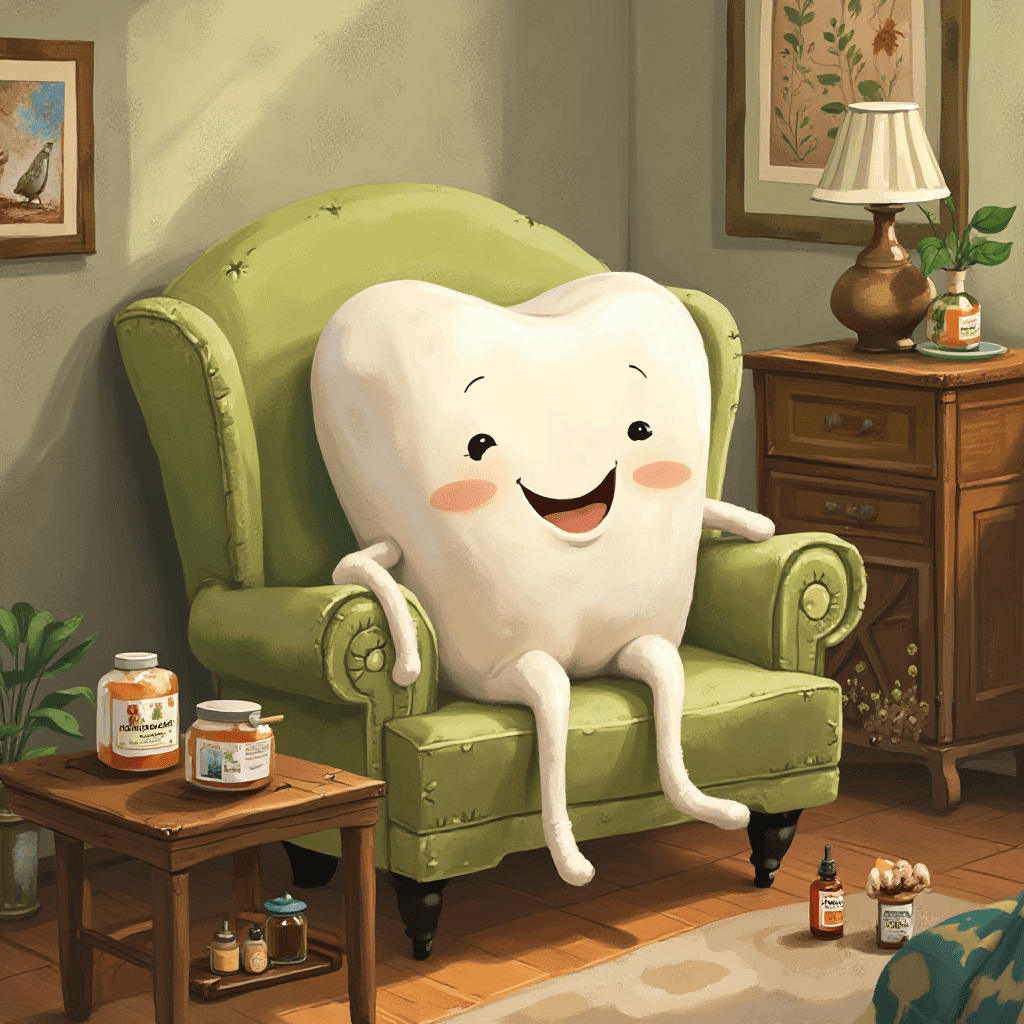
Homoeopathic remedies provide a natural, holistic way of treating bleeding gums, aiming at taking care of the natural gum health rather than using harsh chemicals. An example is that remedies such as Arnica montana may be used to reduce inflammation and promote wound healing in tissues, whereas Mercurius solubilis can be used because of its antibacterial effects, which is why it is a good option in treating such gum infection. Not only do these natural alternatives help in treating the symptoms, but they also promote total oral harmony, which is natural to the healing capabilities of the body.
The inclusion of these homoeopathic alternatives in your oral care can change your life. And think about adding saltwater rinse mouthwash as an alternative to the homoeopathic therapy; it may help to complement the therapy, as it will help to calm inflamed gums and even offer antimicrobial properties. The trick is in consistency and thorough understanding of how our regular routine is going to damage or benefit our gums. You might find a stronger and healthier smile waiting in such possibilities, a lesson in the power of nature to heal you.
Empowering Your Smiling Triumph
When it comes to the problem of bleeding gums during the process of brushing teeth, it is critical to use a complex strategy that includes both mindful oral health practices and complementary dietary modifications. Through regular brushing and flossing using the techniques, trying natural remedies such as herbal rinses and oil pulling, and supplementing your diet with foods rich in vitamin C, you can improve your gum health to a great extent. It is worth remembering that this vigilance will not only ease the short-term pain, but also precondition the future oral health.
On this trip to healthy gums, proactive measures that put your well-being first must be taken. In case the home remedies are not bringing the relief you are seeking, a dental professional is not something to be embarrassed about. They are able to offer specific guidance and treatment opportunities to meet your needs. Oral health is a vital part of your wellbeing, and such steps will pay off, and you will have a brighter and healthier smile.
Frequently asked questions of Cure Your Bleeding Gums While Brushing Today.
Why do my gums bleed when I brush my teeth?
Gum disease, improper brushing technique, or a hard-bristle toothbrush may cause bleeding gums.
What can I do to prevent bleeding of my gums?
Have a regular oral care routine, such as soft brushing and flossing, and use an antibacterial mouthwash.
Is there a particular type of toothpaste that can aid in gum bleeding?
Yes, find toothpaste made to treat the gums, or toothpaste with such ingredients as fluoride and triclosan.
At what point am I supposed to hire professional assistance to check on bleeding gums?
In case the bleeding continues after one week or deteriorates, a dentist should be consulted.
Can diet affect gum health?
Absolutely! Vitamin C and vitamin D, along with a calcium-heavy diet, would help to maintain healthier gums.
Is it normal for gums to bleed occasionally?
There might be some light bleeding, and it will tend to be frequent only in case you have just changed your oral care routine.
How can dental check-ups aid in the health of the gums?
By attending the dentist regularly, one can easily detect the presence of gum disease in its early stages so that it can be treated.
Do home remedies help calm bleeding gums?
Warm salt water can be used as a rinse, and tea bags or honey can be used to calm and heal.
SOURCES
Remedies for bleeding gums, natural gum health, herbal rinses, anti-inflammatory foods, oral hygiene tips, dental care, mouthwash alternatives, vitamin C benefits, plaque removal, gentle brushing techniques,
Anyone suffering from gum issues, dental health enthusiasts, parents, and natural remedy seekers,








Leave A Comment
You must be logged in to post a comment.