
7 Plant-Based Recipes to Boost Heart Health Naturally
7 Plant-Based Recipes to Boost Heart Health Naturally
Introduction
With heart disease being one of the main health issues in the world today, the importance of cardiovascular health has never been as high. Our hearts are workhorses, tirelessly propelling life-giving blood all through our bodies. However, our lifestyle choices, especially diets, can have a significant impact on the health of this important organ.
As more and more evidence points to nutrient-rich foods as a way to improve heart health, a heart-healthy lifestyle can have far-reaching implications, not only on the health of your heart but on your health in general.
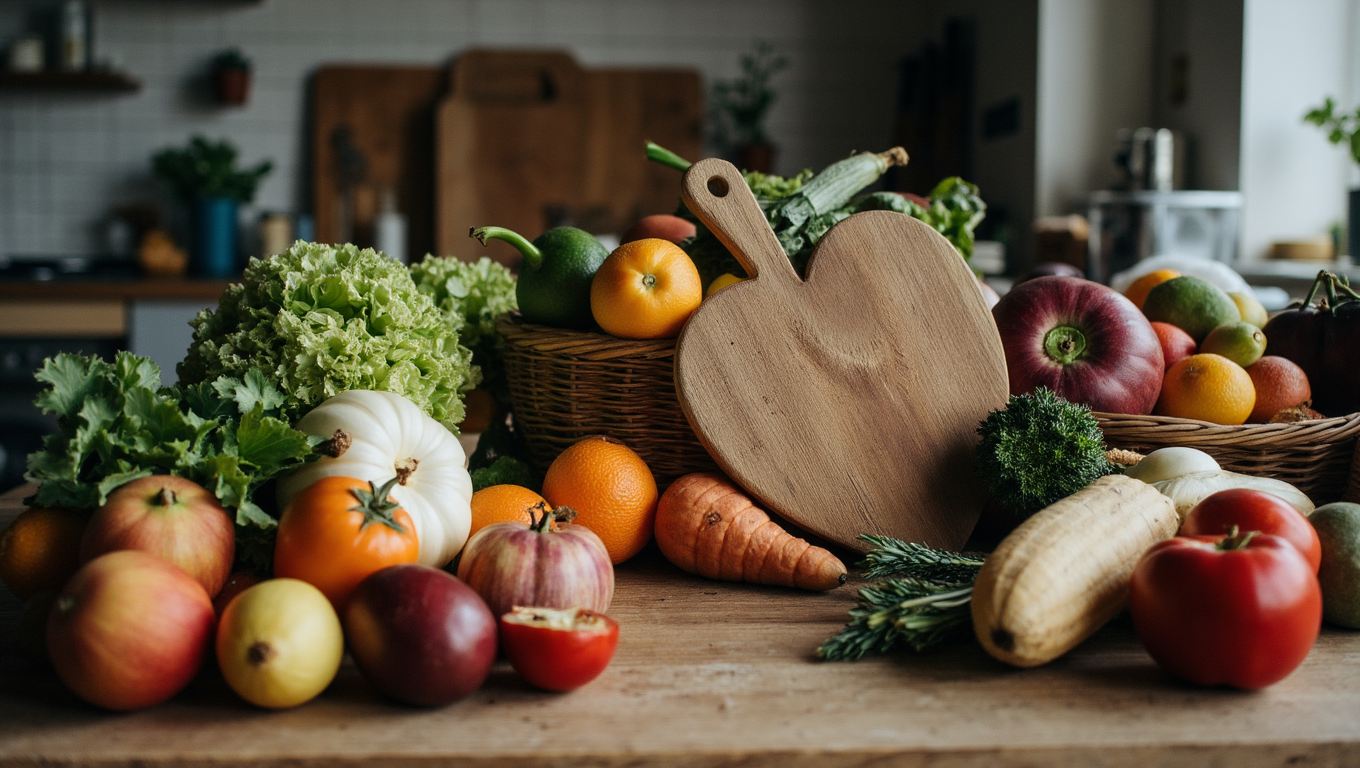
The effectiveness of plant-based diets is one of the sources of hope in the search for a healthier heart among the numerous existing variants of diets. These colorful, nutrient-rich foods are not a fad but a way of going natural to improve cardiovascular health. Through the use of whole grains, legumes, fruits, and vegetables in your diet, you can greatly reduce cholesterol and blood pressure and reduce inflammation.
Here we shall discuss 7 of the most delicious recipes that are healthy to the heart and taste good together, giving you a chance to have easy yet tasty food to boost your diet. Not only can each of the recipes be seen as a way to embrace the magnificent flavors of plant-based food, but it is also a step towards a healthier future. We will open the yummy plant-powered cooking world to you as we show you how to maintain your heart health.
The strength of plant-based diets
A shift towards a plant-based diet has many advantages, especially in terms of heart health. This diet stresses whole and nutritious foods like fruits, vegetables, whole grains, legumes, nuts, and seeds. Studies show that people who switch to a plant-based diet are likely to have lower cholesterol, lower blood pressure, and a lower risk of cardiovascular disease.
Indicatively, one study that was reported in the journal Circulation identified that people who ate a high amount of plant foods were at an incredible lower risk of heart disease than those whose diets were mainly based on animal products.
Plant foods contain essential nutrients that are important in promoting cardiovascular health. An example of this is fiber, which is found in fruits and vegetables, and which has been known to help decrease LDL cholesterol levels, which may help decrease the risk of heart attacks and strokes.
Moreover, antioxidants, including flavonoids, commonly present in several berries and dark chocolate, can fight inflammation and oxidative stress, which are two of the leading causes of heart disease. The use of sources high in omega-3 fatty acids, such as chia seeds and walnuts, can also enhance heart health by contributing to the proper blood flow and healthy functioning of the arteries.
Moreover, vegetarian foods have been found to have a considerable ability to reduce blood pressure, which is a significant cause of heart disease. The potassium-rich foods, including spinach and sweet potatoes, can be used to compensate for the negative effects of sodium, thereby allowing relaxation of the vascular system.
Indeed, it has been shown that a plant-based diet can cause significant decreases in systolic and diastolic blood pressure in the short-term, resulting in a healthier cardiovascular profile.
Going vegan with cooking is not only good, but also fun and varied. Having a variety of ingredients at your disposal, you can play around with different flavors and textures to come up with heart-healthy dishes that will be satisfying and full of nutrients.
You can help to improve your heart health and enjoy your food by making these colorful, nutritious food choices a part of your day. When you are cooking through the recipes that follow, remember the potent effect that these vegetarian ingredients may have on your health in general.
Recipe 1: Quinoa & Black Bean Salad
Quinoa and black beans are a pair to reckon with in terms of heart health, as they offer a plethora of nutritional advantages that can only work well with cardiovascular wellness. Protein-rich and a so-called super grain, quinoa has all nine essential amino acids, which makes it a great option when one is on a plant-based diet.
It also contains fiber, which is known to help in digestion and also reduce the level of cholesterol, hence promoting heart health. Black beans, however, are rich in antioxidants, fiber, and folate, which have been attributed to lowered blood pressure and enhanced overall heart performance.
Your quinoa and black bean salad is a fast and simple dish that can be ready in time, approximately 30 minutes. Start by making one cup of quinoa as per instructions on the package, typically using twice the volume of water until it absorbs and becomes fluffy.
As the quinoa is simmering, rinse one can of black beans and cook your favorite diced vegetables – consider red onions or bell peppers in a variety of colors or fresh corn to add a sweet crunch. When all is prepared, mix with the ingredients in a large bowl, letting the flavors blend beautifully.
To take your salad a step higher, you may also add herbs and spices, which not only add flavor but also offer other cardiovascular advantages. A squeeze of lime juice, like fresh cilantro, adds a zesty touch, or a squeeze of lime juice can serve as a garnish to the whole dish.
To be on the side, sprinkling cumin or smoked paprika in it will also add a layer of complexity. You could also add some diced avocado to add healthy fats, which could help with cholesterol levels – it is healthy as much as it is tasty for your heart!
This quinoa and black bean salad is not only nutritious but also versatile. Make it how you like, or depending on the season, add ingredients that are in season, like roasted sweet potatoes or cherry tomatoes when they are at their freshest. Eat this salad as a side dish or a main meal and be convinced that plant-based foods can be as simple and still so satisfying, proving the thesis that food is medicine to your heart.
Recipe 3: Roasted Vegetable Medley
It is important to include colorful vegetables in your diet to improve the health of your heart, and a roasted vegetable medley is a good place to feature the colorful hues and nutritional value of the vegetables. Such vegetables as red bell peppers, orange carrots, deep purple eggplants, and green zucchini not only make your plate very attractive but also offer numerous essential nutrients. These colorful vegetables contain antioxidants, vitamins, and minerals, and help in the prevention of inflammation and healthy blood flow.
Especially helpful are root vegetables (sweet potatoes and beets) and cruciferous ones (broccoli and Brussels sprouts), which also include compounds that help to decrease the cholesterol level and enhance the work of the heart.
The first step to making your roasted vegetable medley is to preheat your oven to 425 o C (220 C). Prepare a salad of vegetables; a combination of root and cruciferous vegetables is great. As an example, the golden sweet potatoes, emerald green broccoli, and ruby-soaked beets not only add nutrient variety but also create a pleasing dish to the eye. Add vegetables to a large bowl and drizzle with olive oil, salt, and pepper, then add herbs of your choice; rosemary and thyme are delicious with their hearty taste.
Place them in one layer on a baking sheet and roast them approximately 25-30 minutes or until they are fork-tender and a little caramelized, so that their natural sweetness can shine.
The important thing in producing this healthy and appetizing food is to maximize the flavor. To add another layer of depth, before roasting, sprinkle with balsamic vinegar or sprinkle with nutritional yeast. As a spice lover, the dish can be taken to the next level with a sprinkle of crushed red pepper flakes.
Roasted vegetables make a great side dish, or can be added to salads or topped over whole grain bowls, and can be a flexible addition to your heart-healthy meal plan.
Root vegetables are also great sources of dietary fiber, which helps in digestion and may help in weight management, which is very important in heart health. Meanwhile, broccoli and cauliflower are examples of cruciferous vegetables that have been found to be rich in vitamins K and C and also contain cancer-fighting phytonutrients.
With such a mixture of these healthy foods in your roasted vegetable medley, you can not only make it a tasty meal but also provide your body with the necessary nutrients required to keep your cardiovascular functions in top condition.
Lentil Soup with Greens is a vegetarian dish, which is vegetarian
Lentils are a nutritional powerhouse as far as heart wellness is concerned. These small beans contain a lot of fiber, which is vital in reducing cholesterol levels and maintaining a healthy heart. Lentils are also rich in plant-based protein, which satisfies hunger, but also contains essential nutrients, such as potassium, folate, and magnesium, all of which are important to the cardiovascular system. Their special composition assists in blood pressure regulation and stabilization of blood sugar levels, and it is a great option for anyone trying to improve their heart health naturally.
It is an easy and satisfying recipe to prepare a lentil stew, which takes about 30-40 minutes to cook. Begin by sautéing a diced onion, a couple of carrots, and celery in a large pot with a splash of olive oil until they’re soft and fragrant. To add flavor, add minced garlic and your preferred seasonings, e.g., cumin or thyme.
Add in 1 cup of rinsed lentils, 4 cups of vegetable broth, and a large handful of greens; spinach or kale are great options. Simmer the mixture, about 25 minutes, or until the lentils are tender. Not only does this comforting soup warm the soul, but it also fills your heart with each spoonful.
Lentil soup is very versatile, and this is one of the best things about it. The ingredients can be easily changed to suit different taste preferences. To add some spice, you can add diced tomatoes and some red pepper flakes. Instead, to add the Mediterranean touch, add diced bell peppers, olives, and a pinch of lemon juice. To make the soup creamier, you can also mix some and return it to the soup to provide a wonderful consistency.
The possibilities are almost unlimited, and you can play around with the seasonal products, still enjoying The Power of Plant-Based Diets.
Not only is this lentil soup a fast meal to prepare on a weeknight, but it also makes great leftovers, and you can enjoy healthy heart-dining meals all week long. Such heart-healthy, plant-based recipes can go a long way in improving your general heart health, leading you to live a lifestyle that praises the virtues of a healthy, plant-based diet.
Recipe 5: Stuffed Bell Pepper
Stuffed bell peppers are not only pretty to look at, but also have a heart-healthy punch. These bright colored vegetables are healthier and contain high amounts of nutrients, making them a great accompaniment to any meal. Bell peppers contain a lot of vitamins C and A, which are necessary in keeping the immune system healthy, and antioxidant effects that help in minimizing inflammation, a key aspect in heart health. Incorporated with whole grains, e.g., quinoa or brown rice, you will have a fulfilling meal, high in fiber and plant-based protein, which will also help your heart.
To prepare these tasty stuffed bell peppers, you first have to preheat your oven to 375oF (190 °C). Select colorful bell peppers, red, yellow, or orange, to make the dish even more attractive to look at. Take the tops of the peppers and the seeds out.
To fill it, boil your preferred whole grains as per the pack instructions, and combine them with black beans, diced tomatoes, corn, and a sprinkling of cumin and chili powder to add a bit of warmth. To add an extra touch of flavor, you may also add the sautéed onions and garlic. Lastly, not least, add some sliced fresh herbs, such as cilantro or parsley, to enhance the flavor!
One of the great aspects of stuffed bell peppers is their versatility. Ingredients that are in season are able to add flavor and nutrition. During the summer, add some chopped zucchini and fresh basil to make the most of the harvest. During the fall, replace with roasted butternut squash or sweet potatoes, as a comforting alternative. You may even try numerous toppings, such as a dollop of avocado or a sprinkle of nutritional yeast, to improve the smooth texture and provide a cheesy taste, but without sacrificing health.
Stuffed bell peppers are not only a delicious meal in themselves, but they are also ideal for use in meal prep. You may even prepare a batch over the weekend and have it heated up as a quick lunch or dinner throughout the hectic week. Adopting this recipe is a fun journey to include whole foods in your diet, making heart health not only tasty but affordable to all.
Ingredients: Chia seeds, almonds, cashews, coconuts, and almond butter
Chia seeds are small powerhouses, full of omega-3 fatty acids, which are necessary for the heart. These good fats assist in reducing the levels of triglycerides in the body and also lower inflammation in the body.
Chia seeds are a good addition to a low-cholesterol diet, as incorporating them into your diet can improve cardiovascular performance. Liquid chia seeds swell to form a jelly-like substance, which not only provides an exquisite texture to the dishes but also gives a sense of satiety. This leaves chia seed pudding a tasty snack or breakfast meal to curb cravings, as you work towards a healthy lifestyle of the heart.
Chia seed pudding is easy to prepare, and it is an ideal meal to add to your weekly meal plan. It’s as easy as adding 1/4 cup of chia seeds and 1 cup of any milk (almond, coconut or even oat milk) and adding a splash of vanilla extract or a dash of maple syrup to sweeten it. Blend and leave to stand in the fridge for approximately 4 hours or overnight. The pudding will be a creamy delight that can be consumed directly out of the jar or in beautiful glassware to add a dose of sophistication.
To take your chia seed pudding a notch higher, think of experimenting with different flavorings. Natural sweetness and burst of flavor. Fresh fruits such as berries, bananas, or peaches can be added and are a source of essential vitamins and antioxidants.
To make it more luxurious, add a spoonful of nut butter, cacao powder, or even a sprinkle of cinnamon to boost the health benefits and flavor. Every serving can be an original dish, and you can experiment with the strength of plant-based diets: adding to heart health in a natural, yet enjoying the meal.
Make chia seed pudding a part of your daily routine, and you will discover that being heart-healthy does not have to be very monotonous or limiting to eat. Experimentation plays an important role, and each bite can bring in a tasty process of feeding your heart and making yourself well generally. Now, take out your ingredients and begin making this nutrition-packed treat today!
Recipe 7: Whole Wheat Pasta with Tomato Basil Sauce
Whole-grain pasta is a great option for the heart, as it is high in fiber and the necessary nutrients that can be used to reduce the amount of cholesterol in the bloodstream, as well as stabilize blood sugar. Compared to refined pasta, which tends to leech away some of the essential nutrients, whole wheat pasta maintains the bran and the germ and can provide a healthy boost of vitamins, minerals, and antioxidants that can increase cardiovascular health.
The fiber added by whole grains not only helps in the digestion process but also gives the individual a fuller feeling and is therefore a good foundation for a good, healthy meal that can fulfill the body and the soul.
It is quite simple to prepare a meal of whole wheat pasta with homemade tomato basil sauce that is also extremely fast. Begin by boiling the whole wheat pasta as per the package directions, typically taking around 8 to 10 minutes to al dente. You might prepare the pasta cooking while and prepare a tasty sauce by sauteing minced garlic and diced onions in a pan with a splash of olive oil.
This is followed by adding fresh or tinned tomatoes, which are then left to simmer until all the flavours come together to perfection. Toss in a few fresh basil leaves at the end to add that fragrant flavor that makes the dish complete, making it a fast and yet substantial meal.
In order to take your spaghetti meal to the next level, you would want to add fresh and local produce. Sautéed with garlic and onions, fresh vegetables can be used in place of spinach, bell peppers, or zucchini, and provide texture and nutrition to the sauce.
The advantage of this recipe is that it can be used at any time of the year; in the fall season, pumpkin or butternut squash can be excellent additions, and they not only add flavor to the dish, but also supplement the nutritional value.
When you use a mix of colors and textures of the vegetables of the season, you not only add the heart-health advantages of the meal, but you also make the plate appealing to the eye, making healthy eating an appetizing experience.
This whole wheat pasta with tomato basil sauce is a reminder that healthy can indeed be delicious. Using local ingredients and whole grains, you will be making important strides in living a more heart-friendly life. Then the next time you get in the kitchen, you can think of this easy yet tasty recipe as one of the main meals that you can place on your table, one that will not only fill your stomachs but will also excite your palates.
Go Vegetarian: Reclaim Your Health
Plant-based diets are superpowers that can help you start the journey to a healthier heart and start in your kitchen. By embracing the heart-healthy recipes shared in this article, you not only nourish your body with vital nutrients but also cultivate a lifestyle that prioritizes well-being and longevity.
The appetizing dishes, including the protein-rich Quinoa and Black Bean Salad, or the tasty Whole Wheat Pasta with Tomato Basil Sauce, prove that even healthy eating can be great.
There is no need to fear trying these recipes and experimenting with the numerous options of plant-based ingredients. Add a twist to your food by using fresh vegetables or exotic spices to make your food journey interesting.
We welcome you to contribute your own heart-healthy recipes and experiences in the kitchen, to add to our community and motivate others to take the journey towards heart health. Collectively, we can be champions of the positive effects of adopting a plant-based lifestyle for a healthier future.
FAQs
1. What are the ingredients of these plant-based recipes?
The recipes incorporate whole grains, nuts, seeds, fruits, and vegetables, all of which are heart-healthy.
2. Do these recipes fit those who have dietary restrictions?
A large number of recipes are gluten-free and nut-free, but make sure to check the ingredients of each recipe to determine any allergens.
3. What are the benefits of plant-based diets to heart health?
Plant diets contain high amounts of fiber, antioxidants, and healthy fats that can reduce cholesterol levels and enhance heart health.
4. Am I required to be vegan to prepare these recipes?
No, the recipes are meant to be used by anybody who wants to add more vegetarian meals to their diets, irrespective of their choice of diet.
5. Preparation time of these recipes?
The majority of the recipes take 30 minutes to an hour to prepare, and they are fast and convenient in busy lives.
6. Are the recipes freezable?
Yes, a lot of the recipes may be frozen, but make sure to adhere to particular storage requirements to retain the best flavors and texture.
7. What more plant-based recipes are there?
There is a wider variety of plant-based cooking in many online sources, cookbooks, and food blogs.
8. Do these recipes require the use of organic ingredients?
Organic ingredients are not a requirement, but they can be healthy and good; non-organic food can be good and healthy.
heart-healthy recipes, plant-based cooking, cardiovascular benefits, easy vegan meals, nutritious ingredients, heart wellness, whole foods, low-cholesterol diet, healthy eating, recipe collection,
health-conscious individuals, people with heart conditions, plant-based diet enthusiasts, nutritionists, food bloggers,










Leave A Comment
You must be logged in to post a comment.