
Are You Anxious? Discover Sedation Dentistry Medication Now
Are You Anxious? Discover Sedation Dentistry Medication Now
Introduction
Dental anxiety is not an exception, as it is something that afflicts millions of adults and even children. The mere idea of being in the dental chair may cause a feeling of dread, excessive fear or panic. The smell, taste, and touch of a dental visit make this process an emotional nightmare for countless people.
This fear may lead to deferral of care, further complicating current dental problems and overall health. It is important to understand why it is such a source of anxiety because this is the way to get a glimpse of a potent remedy, which is sedation dentistry.
Sedation dentistry drugs have been presented as a humane way to alleviate the fear that has been scaring many away from dental care services. These techniques can help patients experience procedures with much less stress, as they are safe and effective at calming anxiety. These will suit different needs and comfort levels, from mild sedation to deep sedation.
And for dental phobes, sedation dentistry may help them completely change their experience at the dentist and turn what may have been an egregious visit into a bearable, even enjoyable one. We will take you through the various ways sedation dentistry can not only help in alleviating anxiety but also enable people to take control of their oral health.
What is Sedation Dentistry?
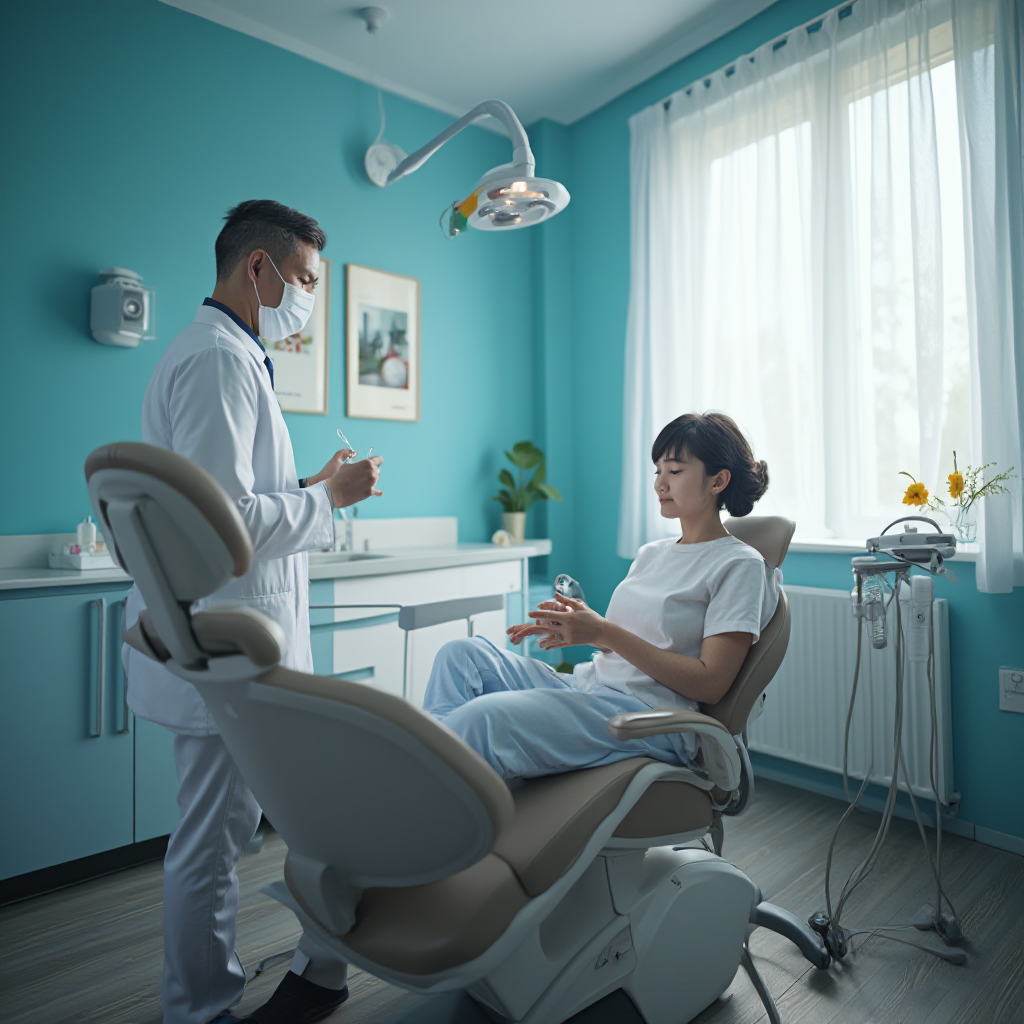
Sedation dentistry is a specialised field that helps patients overcome anxiety and fear of dental procedures. It also entails the administration of diverse sedation dentistry drugs capable of causing a relaxing effect to enable people to get the treatment they need without experiencing the emotional agony that is usually associated with visiting the dentist.
Catering mostly to patients with strong dental anxiety, sedation dentistry may also be useful in children who might be afraid of dentists or patients with a lot of dental work done to them.
In dental work, sedation dentistry uses mild to heavy sedation. As an example, nitrous oxide, also known as the laughing gas, is a popular option that produces a state of relaxation, which does not put the patient under unconsciousness.
Sedation on the other end of the spectrum is deeper and is referred to as intravenous (IV) sedation, in which a patient can fall asleep and wake up after the procedure. Such an individualised approach helps prevent overwhelming even the most nervous people, as they will receive the care they require.
This kind of dentistry must not be underrated, particularly in the case of individuals who experience severe anxiety. This is because, according to many patients, the expectation of a dental visit can be more stressful than the experience itself.
Through the opportunity to relieve this anxiety, sedation dentistry not only helps to create a more positive experience in dental services but also helps patients to use their treatment options when they need them and would otherwise not. Consider the case of a former person who was always terror-stricken upon visiting the dentist’s office; they may now be eager to maintain their teeth without fear of the terrors that used to scare them away.
All in all, sedation dentistry provides access to young and old patients, making the dental chair a stress-free waiting area. With well-selected sedation options and knowledgeable dental practitioners, there is new hope for those who were once scared of dental procedures to the point that they could not attain the best oral health.
Classes of Sedation Dentistry Drugs
Sedation dentistry also provides a wide range of choices which can be made to suit the needs of patients individually, and therefore, many patients live to see anxiety-free appointments. The most widespread ones are oral, nitrous oxide, and intravenous (IV) sedation. Both have their peculiarities and enable dental specialists to design their strategies of sedation depending on the level of anxiety experienced by a particular patient or on the complexity of the treatment.
Oral sedation is also given as a pill to be taken prior to the appointment. It calms the patient and alleviates anxiety, and at times, the patient feels as if they are on the verge of sleep. The only disadvantage, however, is the inconsistency in the drug’s effects, since every individual’s body metabolises the drug differently.
Nitrous oxide (also referred to as laughing gas) can be a great option in cases where patients are unwilling to take pills or a faster-acting option is needed. This inhaled sedative would enable immediate relaxation without making you feel sleepy afterwards; therefore, it will be applicable to all who feel apprehensive about the process and recovery.
The use of IV sedation is usually advised in more comprehensive surgeries, including oral surgery, or for patients who are highly anxious. Such an approach will allow a higher level of sedation, enable the dentist to adjust the medication dosage in real time, and maximise comfort. However, patients should consider a qualified dental specialist with experience in IV sedation, as this procedure requires close attention.
Finally, the decision to sedate a patient must rest on the deliberation between the patient and his dentist. The dental procedure a patient undergoes, their medical history, and anxiety levels will be among the factors used to determine the most suitable method. Through these options, the patients will be able to discover the most suitable way of having anxiety-free appointments and turning their experience into a fear-free and comfortable and easy one.
Real-Life Testimonials
In the case of dental anxiety, patients feel lonely in their fears. But accounts of individuals who underwent sedation dentistry offer an eye-opening, heartwarming glimpse into how they went through it. Take Sarah, for instance. Prior to finding out about sedation dentistry, Sarah would fear her visits to the dentist, and she would have physical symptoms, such as sweating and a fast heart rate.
She made a decision to have oral sedatives after being advised to do so by one of her friends. On the following occasion, she came to the dentist, felt at ease and calm, and received several treatments in one session. The experience Sarah had helped change her view of dental care from an area of anxiety to being a part of her health care routine.
The other interesting narrative is by a father of two named Michael, who would always prioritise his children’s dental needs. Nevertheless, he was too afraid of dental surgeries to pursue the treatment that was necessary for him. He had been convinced by his dentist to undergo sedation dentistry with nitrous oxide, which he tried after being persuaded by the dentist.
The outcome was not only surprising but also led him to complete a substantial amount of the required work, and the experience transformed his attitudes toward attending the dentist. Michael now sets a good example of dental behaviour to his children, and the circle of fear and anxiety that he had lived in years before is broken.
Sedation dentistry, according to many, including Linda, a patient whose childhood visits to the dentist were full of unpleasant experiences, has transformed everything. With IV sedation, Linda found a totally novel way to handle a visit to the dentist, enabling her to have a lot of restorative work done without the dread that had earned her the title of a dreadful patient. Today, rather than waiting to see the dentist, she takes the initiative to care for her teeth, and all this is because of sedation dentistry, which gives her the confidence and comfort in the chair.
These testimonials demonstrate the significant influence which sedation dentistry can produce in people with dental anxiety. With the help of oral sedatives and other sedation methods, patients will not only feel better but also be able to rebuild their relationship with dental health. Testimonies from people who have become believers in sedation dentistry are quite reassuring and remind people they are not alone in their quest for a more enjoyable, comfortable dental experience.
Who is a Candidate for Sedation Dentistry?
Sedation dentistry can be of hope to a very large pool of patients, especially those struggling with dental phobia or anxiety and complex dental treatment procedures that might involve complex treatment. Patients who are afraid of needles, of the noise produced by drilling, or of the feeling of the dentist at work can greatly relax using sedation dentistry medication.
Furthermore, individuals who have had unpleasant experiences during dental care are also good candidates, as sedation can help alter their attitude toward dental care and make it a bearable practice rather than an insurmountable one.
Sedation dentistry is also very helpful to children or even those with special needs. In young patients who may not be able to sit still or comprehend the dental room setting, IV sedation can provide a non-invasive, safe way to deliver the necessary treatment without discomfort.
Children who suffer sensory processing disorders or autism, e.g., can have high sensitivities that can make dental appointments too much to handle. These young patients may receive the necessary care in a relaxing environment through sedation. This aspect is essential, as it fosters positive experiences in the dental department that can influence their future perceptions of oral health.
During the consultation, professionals evaluate the individual’s needs to identify the most appropriate sedation dentistry medication. The dentists will normally discuss a patient’s medical history, including allergies, medications, and past experience with anaesthesia, to help craft a sedation plan that best fits the patient’s needs.
This individualised method not only prepares patients for the procedures they are to undergo but also fosters trust between the dentist and the patient, demonstrating that the dental team is concerned about their comfort and well-being. These consultations are usually looked upon as a means by which patients express their concerns so that sedation is not a mere medical choice, but a way of working together to mitigate anxiety.
All in all, knowing whether you or your child is eligible for sedation dentistry may make a huge difference in your oral health experience. It makes patients feel free to pursue the dental care they need without worrying about anxiety or fear, and eventually changes their perception of their dental experience.
Safety and Regulations
In sedation dentistry, safety is of the utmost importance. Dental practitioners take numerous precautions to ensure patients’ safety throughout the procedure. They are usually initiated by a comprehensive medical assessment to establish the risks of sedation.
Dental professionals can analyse a patient’s medical history, allergies, and medications to approach them in the most effective way, minimising complications. In cases of respiratory problems, patients may need alternative sedation to ensure their safety and comfort during dental procedures.
Selecting a certified dental professional in sedation dentistry is not only advisable but also obligatory. The issue of certification and training also ensures that practitioners are well informed to administer sedatives at the right time and to keep the patient under close, careful observation during and after the procedure. These are qualified specialists who have knowledge of sedation procedures and equipment and adhere to strict guidelines to avert any risks.
Patient testimonials can emphasise the distinction this skill creates; various patients have reported that their anxieties were alleviated not only with sedation but also with the informed assistance of their dental practitioners.
The possible risks of using sedation are an essential topic that a person needs to learn before choosing this alternative. Although the process of sedation is usually safe for the majority of patients, it is not without any risks. It can have side effects in the form of drowsiness, nausea or allergic reactions in extreme cases. Nevertheless, dental practices accredited in sedation dentistry usually have mechanisms to address such events promptly.
The process can be tracked by heart rate, oxygen levels, and overall responsiveness, enabling timely intervention if any problems arise. Such a degree of care has played a major role in changing the experiences of most nervous patients, who are now comfortable about their dental checkups.
Overall, sedation dentistry is a set of safety precautions designed to protect patients during the procedure. The significance of the selection of a qualified professional cannot be overestimated as it not only guarantees adherence to the safety measures but also contributes to the creation of a soothing atmosphere among people who have always had a problem with dental phobia. Patients can be more confident during dental procedures by recognising the risks and understanding the extensive safety measures in place in the dental field.
Getting Ready to Be Appointed
It is important to prepare for dental sedation before an appointment to ensure an easy, stress-free dental visit. Before you visit, you should share your medical history, any current medications, and your unique anxieties with your dentist.
This discussion helps the dental professional customise the sedation dentistry drug to suit your needs. Also, your dentist might advise on fasting or dieting, particularly when one intends to undergo IV sedation or nitrous oxide. Preparation like this can make sedation during your procedure considerably more effective.
On the day of your appointment, be prepared to stay calm. The majority of dental practices have designed an atmosphere where people feel relaxed, usually through music, soft in-tune or in-store visuals. You can also bring something that makes you feel comfortable, such as a favourite sweater or a stress ball, that can help you relax before the procedure.
When the actual appointment occurs, you will probably notice a significant difference in the sedation’s comfort level. Indicatively, this stage is characterised by several patients experiencing a pleasant, drowsy feeling, and thus the dental procedure is short and minimally painful.
It is equally important after the procedure. Having undergone the impact of sedation dentistry, it is usually recommended that you have a close friend or family member with you to send you home because your reflexes and cognitive skills might be temporarily distorted. And you may be feeling groggy or disoriented temporarily, but that is quite normal. Afterwards, your dentist will guide you on how to care for your mouth, which may include advice on managing any swelling or pain.
It is also good not to take up really exhausting tasks or make any significant decisions during the rest of the day, so that by evening, you will have plenty of time to relax and feel the great effect of a stress-free trip to the dental clinic. This way, you will be able to make the most of sedation and have the most comfortable dental time ever.
Addressing Common Concerns
Although acceptance of sedation dentistry is increasing, it is often associated with misconceptions, most stemming from the general fear of dentists. Among the myths is the belief that sedation dentistry will make patients totally unconscious and unaware of what is happening.
In fact, the vast majority of available sedation methods produce a sense of relaxation rather than complete sedation, allowing the patient to respond to verbal instructions and prompts. This soothing method can help reduce panic while ensuring that patients remain in charge throughout the process.
It is imperative to note that emotional support is a component of sedation. Most dental offices have begun to provide customised comfort interventions, including soothing music, stress reduction, or even a close friend who comes with them during a visit.
Such strategies may be especially helpful for patients with serious dental phobias or for children who might become intimidated by the clinical setting. Also, pre-appointment counselling related to fears and description of coping strategies can be offered by therapists or specialists in anxiety, which will provide patients with a supportive framework.
The safety and appropriateness are the questions that are frequently raised by parents seeking ways to sedate their children. Dental practitioners typically recommend that parents consult directly about their child’s needs. The usual questions asked relate to the issue of side effects or the effects that sedation has on a child after the procedure.
Scholars note that side effects are uncommon, but it is necessary to discuss them with the dental team. They will be able to provide information on best practices based on age, medical history, and level of anxiety, ensuring a personal and safe experience.
When you are thinking about sedation dentistry, these are some of the common concerns that you need to know so that you can make an informed decision on the kind of dental treatment you will receive. Sealing the divide between myths and reality not only eliminates the fear of dentists but also helps reassure patients of a more practical approach to caring for their oral health, one dental appointment at a time.
Sedation Dentistry Homoeopathic Medication
In the case of dental anxiety, homoeopathic medicine in tandem with sedation dentistry is a holistic solution to the achievement of relaxation and tranquillity. Homoeopathic medications include chamomilla and aconite, which are frequently used in conjunction with conventional treatment techniques like IV sedation to increase the feeling of relaxation without causing the side effects of more potent drugs.
Such a two-sided onslaught enables patients to not only cope with their anxiety but also develop a feeling of control over their experience, which preconditions a more successful dental experience.
It is hard to imagine how light and easy it is to go to the dentist’s office without the burden of anxiety in its natural assistance. Whereas IV sedation rapidly induces complete relaxation, homoeopathic remedies may offer a positive, encouraging structure, and would go a long way in calming nerves even before the process starts.
A personalised approach will help make an otherwise stressful appointment a relaxing retreat, facilitate communication with dental specialists, and create a sense of protection during treatment. This synergy not only increases access to dental care but also puts patients’ emotional well-being at the forefront, and every visit would be a step towards a healthier mindset.
Reinvention of your Dental Experience
To conclude, sedation dentistry medication is a strong option for people who struggle with dental fears, as it ensures a smoother, more comfortable dental procedure. Oral sedatives, nitrous oxide, and IV sedation are available, allowing the patient to choose the method that best fits their needs, making the previously dreaded dental visit a thing of the past.
This new system not only improves patient comfort but also enables dental practitioners to perform more work in fewer visits, thereby changing the perception of dental care.
When you feel anxious about going to the dentist, remember that you are not alone, and there are ways to get help. The first step in regaining your comfort and confidence in your oral health journey can be booking an appointment with a dental professional to discuss the possibility of sedation. Fear should not determine how you treat your teeth; take the chance and make your dental experiences fulfilling. Your smile deserves it.
FAQs
What is sedation dentistry?
Sedation dentistry involves the administration of medication to enable the patient to relax during dental operations making the process less painful and anxious.
Who can benefit from sedation dentistry?
It is suitable with anxious patients, those with low pain tolerance, or those with long procedures.
What are the common drugs used in sedation dentistry?
Depending on the requirements of the patient, common alternatives would be nitrous oxide (laughing gas), oral sedatives, and IV sedation.
Is sedation dentistry safe?
Yes, in an otherwise well-trained professional, sedation dentistry is usually safe in the majority of patients.
Will I require a person to drive me back home after sedation?
Yes, you should make sure that you have a responsible adult to drive you home, particularly after IV sedation or oral sedatives.
What is the duration of the effects of sedation?
The time taken depends on the type of medication used; for example, nitrous oxide has effects that are so short-lived, while oral drugs could take a number of hours.
Is it possible to eat or drink prior to sedation?
It is based on the form of sedation. As a rule, patients are not supposed to eat or drink for a couple of hours before their appointment.
Will sedation dentistry eliminate all pain?
Although sedation is a great way to reduce anxiety and discomfort, it does not eliminate certain experiences during some procedures. Dentists will ensure you feel as comfortable as possible.
Sources
Are You Anxious? Discover Sedation Dentistry Medication Now
dental anxiety, sedation options, anxiety-free appointments, nitrous oxide, oral sedatives, IV sedation, patient testimonials, relaxing dental experience, fear of dentists, dental procedures,
adults with dental anxiety, parents seeking dental solutions for their children, individuals undergoing extensive dental work, dental professionals,






Leave A Comment
You must be logged in to post a comment.