

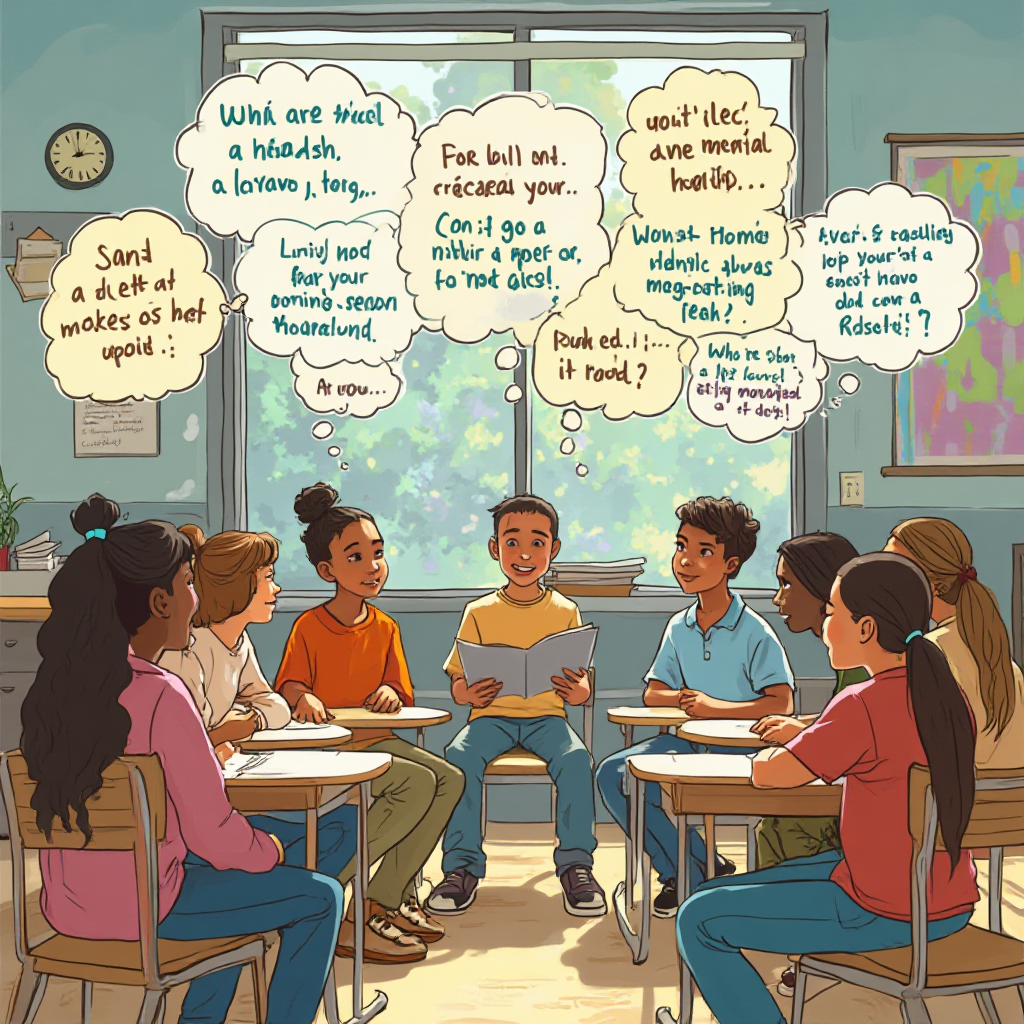
Mastering the Teenage Mental Health Assessment Process
Adolescence is a troubling phase that can be difficult on both the teenagers and their parents, particularly as concerns mental health. Teenage mental health assessment is a very important procedure for diagnosing and treating problems like teenage anxiety, depression and other mental health complications.
Nevertheless, many families are bewildered by this process and do not know what to expect or how to prepare. With the mental health evaluation demystified, we hope to empower both adolescents and those around them to handle it with confidence and clarity.
It is not simply a matter of knowing the elements of the teenage mental health assessment, but of recognising its significance in promoting resilience and emotional stability. This assessment is an important tool for identifying areas where assistance is possible, which will eventually help teens find the resources and strategies that can help them prosper.
For both parents and educators, understanding the peculiarities of this process will enable them to open the door to constructive dialogue, minimise the stigma, and improve results. As we dive into the complexity of the assessment, we ask you to find out how to help build a world where the discussion of mental health is not only welcomed but also applauded. Are you willing to make this instructive journey? Let’s dive in!
What to Expect During a Mental Health Assessment of a teenager
An initial meeting is usually the start of a teenage mental health assessment during which the clinician informs both the adolescent and his/her parents or guardians about the process. This is one of the most important steps in building rapport and making everyone feel free. The evaluation typically involves interviews, questionnaires and occasionally, the observation of behaviour.
Typical elements could include discussing everyday life and academic achievements, as well as questions about emotional health, peer relationships, and family interactions. For example, a clinician may use open-ended questions such as “What do you think of your time with your friends?” to assess social processes and moods.
The issues discussed during the assessment may be diverse, yet typically involve sadness, anxiety, or irritability, along with any alteration in sleep or appetite. Teenagers can be questioned about the cases of self-injury, use of substances, or other significant behavioural changes.
Moreover, certain questions about academic stress or social pressures, which are archetypal themes of adolescent behaviour, may yield invaluable insights. Such a holistic system enables the assessor to obtain a comprehensive picture of the teen’s mental health, which is essential for meaningful intervention.
Time-wise, the teenage mental health assessment process will take 60 to 90 minutes, though this may vary depending on the case and the child’s individual needs. These evaluations may be conducted in relaxed settings, such as a therapist’s office, a school counselling setting, or even via telehealth, which may alleviate anxiety in adolescents. Such an atmosphere helps establish open communication, and hence it is important that parents help their teens be honest when sharing their feelings and concerns during the assessment.
It can also be facilitated by embracing useful communication ideas. As an example, parents may tell their teens that assessment is a safe environment, not to judge but to assist. Their child can then be encouraged to talk openly about certain concerns or reflect on previous experiences that have influenced them, helping the teen become empowered to have a more fruitful assessment. In general, it is possible to reduce the level of anxiety and establish the conditions necessary to achieve better results after getting familiar with the content and the purpose of a teenage mental assessment.
Influential Parties in the Evaluation Process
Several stakeholders in the teenage mental health assessment process play critical roles by providing perspectives and expertise. The first line of attack involves mental health professionals, including psychologists and licensed counsellors, who carry out the assessments. They are trained to provide a safe space where adolescents feel free to share their feelings and thoughts.
An example of this is that a psychologist can use several assessment instruments, such as questionnaires or interviews, to collect data on a teenager’s emotional health, school performance, and socialisation. Their knowledge is useful not only for accurate diagnosis but also for prescribing appropriate measures that may significantly change a teen’s life.
The other important aspect of this process is the parents and guardians. Their participation provides a broader context for the assessment and, in most cases, offers insights into the child’s behaviour at home and across various social groups. Indicatively, a parent may document changes in the teenager’s sleeping habits or a loss of interest in activities the teenager used to enjoy.
Such a team-based approach will help make the assessment more multifaceted and take into account all aspects of the teen’s life. It further reminds the teenager that his or her family cares about their emotional health, and the process would not be as overwhelming.
In addition, the significance of the teen’s input and perspective cannot be overestimated. The involvement of teenagers in the assessment process not only empowers but also collects more valid results about what teenagers think and feel. This openness in the teen can help the mental health professional shape their practice to meet the person’s needs, so that the proposed strategies can appeal to the teenager.
Empowering teens by discussing their experiences in a non-disclosure atmosphere will create a sense of ownership over their mental health process and will make them feel like active participants instead of passive consumers of care.
A combination of these key players will form the whole assessment process. By enhancing openness in communication among mental health professionals, parents, and even teenagers themselves, emotional well-being is established. Such a working partnership would help demystify the process and underscore its main purpose: supporting and nurturing adolescents’ mental health.
Getting Your Teen Ready to Take the Assessment
As a parent, it can be impossible to raise the subject of a mental health assessment with your teenager, but it is important to communicate with clarity and a caring approach. The introduction of the discussion must be in a quiet, non-confrontational environment. You could begin by telling them that you love and care about them. As an example, you might say, “I have observed that you have been a bit down of late. I believe that speaking to a person will help. What do you think? This will be a sign of listening to your teen and will give them the opportunity to express their feelings without being forced or stigmatised.
Promoting transparency and truthfulness in your conversations will go a long way in lowering the anxiety levels of your teen, as per the assessment. Make them understand that their thoughts and feelings are good, and that it is normal to have concerns or fear about this process.
The idea of role-playing can help them gain a clearer sense of what to expect and any misgivings they may have. For example, you can take turns answering sample questions or discussing how this or that question can describe your feelings. This process not only equips them with the assessment but also enables them to be active participants in the mental health process.
Another great method of alleviating anxiety is the provision of information and resources. Post articles, videos, or personal experiences of the people who have undergone such assessments. It is also helpful to introduce your teen to some of the usual coping strategies, such as deep-breathing exercises or journaling, to equip them with skills to handle their emotions. It is advisable to encourage them to seek support from friends or trusted adults to build a supportive network that helps them feel resilient and reinforces the idea that they are not alone.
Finally, refer to your teen on the necessity of assessment as a subsidiary step to learning about their mental health. Make them understand that it is meant to provide insight, not to penalise them. By framing the assessment positively, you might make them feel it is a chance to develop and discover themselves, which will eventually lead them to healthier coping strategies and greater awareness of their mental health.
The value of follow-up as an After-Assessment
After the teenage mental health assessment is completed, it is important that both parents and teens understand how to interpret the results and make informed decisions about next steps. The test can disclose a range of insights into the mental condition of the teen, including the light form of anxiety to the severe issues that have to be addressed. Discuss the findings as a family, and your adolescent can express his or her impressions and concerns. This preliminary conversation plays a crucial role in that it will predetermine how they view their mental health experience in the future.
It is also important to plan further actions after the assessment. Depending on the results, possible solutions may include therapeutic interventions, pharmaceutical treatments, or lifestyle changes. For example, if the assessment identifies stressors such as academic pressure, a shared study timetable that is easy to follow, or mindfulness meditation, these are possible ways to go.
Involving your teen in the planning process helps them to feel a sense of ownership and agency over their mental health. A warm atmosphere may also be a good boost to their involvement and adherence, as they would like to state their preferences regarding the types of treatment or approaches.
Constant communication has been crucial in the follow-up of a teenage mental health assessment. Frequent check-ins on your teen’s well-being and adherence to their treatment plan will help build trust and support. You need to establish a communication channel where your adolescent feels comfortable talking to you about difficulties or failures without fear of criticism. You might even have a weekly mental health check-in where you have a free conversation about their experiences and feelings, which also normalises mental health conversations.
Finally, one should keep in mind that follow-up is not only about taking specific actions; it also means obtaining additional resources and help. Reaching out to local support groups or online communities would offer further support and community to both parents and teens. The role of assessments sometimes makes them feel like the termination of a process, whereas it is only the start of the process of knowing and enhancing mental health. When these follow-up steps are prioritised, you will help your adolescent develop resilience and well-being.
Parents and Teen Resource Centre
The world of teenage mental health assessment is very daunting to navigate, yet there are many resources that can be offered to both the teens and the parents to help them and guide them. Among the key things is to prepare oneself with knowledge by reading materials and sites that focus on mental health. Books such as The Anxiety Workbook for Teens by Lisa M. Schab provide the essential tools and strategies that can empower teenagers in their capacity to manage their mental health.
Evidence-based information that can be used to demystify several mental health problems and even the assessment process itself can be found on online platforms, including the National Institute of Mental Health (NIMH) webpage.
Besides reading materials, participation in support groups may be an effective way for both parents and teens. There are support groups that provide community-based support, organised by institutions such as the National Alliance on Mental Illness (NAMI), where victims can share their experiences and connect with others going through the same situation.
These organisations can be used to give the teens a safe place to cool their emotions and assist parents in attaining alternative ways of thinking about parenting by experiencing mental health challenges. Also, communities often have youth programs dedicated to mental health awareness, which can serve as a positive way for a teen to release their frustration and as a valuable source of information for parents.
If parents or teens need more individualised assistance, it is essential to consult a professional. There are workshops, particularly in mental health clinics and with therapists, that address a particular problem, e.g., anxiety or depression, and teach the participants practical coping techniques.
Also, online therapy can be convenient and easily accessible, particularly for teens who might feel more at ease talking about their emotions in the comfort of their bedrooms. BetterHelp or Talkspace can be a valuable choice. In the end, the ability to secure such resources contributes to creating a more favourable climate that prioritises mental health.
Utilising these resources, parents and teens will be able to develop a multifaceted awareness of mental health, and the assessment process will not be a milestone but a road to resiliency and development. One should keep in mind that it is not a one-person effort; by employing the resources at their disposal, both sides can meet challenges and address mental health with a positive, knowledgeable attitude.
Homoeopathy generic Teenage mental health
Homoeopathy in the world of teenage mental health comes out as a calm companion, tackling the emotional and mental issues that arise during these turbulent years. What many parents do not know is that homoeopathy not only promises a possible cure to the anxiety and stress that their teens might be feeling, but it also promises to help their teens develop a stronger sense of self-realisation. This is a holistic approach that treats the individual as a whole, ensuring physical well-being and emotional strength.
Unlike the prevalent myths in the mental health sector, which categorise such treatment as ineffective, numerous studies indicate that homoeopathic remedies have the potential to have a positive effect on mental health, and this will enable the teens to overcome their feelings more easily.
The support of the parents plays an important role in the incorporation of homoeopathy as part of the mental health armoury of a teenager. There can be encouragement for open dialogue about emotions to demystify emotional struggles and the treatment options available. Parents can help their teens find natural remedies that they can easily relate to by acknowledging the legitimacy of their experiences.
This association not only enhances the therapeutic effects of homoeopathy but also strengthens family relationships, creating a supportive system in which mental health flourishes. Finally, this holistic approach may serve as a stepping stone toward a more balanced emotional environment, helping teenagers build a strong future.
Conclusion: The Teenage Mental Health Assessment Process to Embrace
To conclude, the teenage mental health assessment process is set in a way that is supposed to yield great insights into the mental and emotional health of the teens. Knowing what to expect, who the main players are, and the importance of open communication will help parents and teens navigate this journey with ease. This evaluation is not only a formality but also an opportunity to grow, learn, and build resilience.
The parents and teens should have a positive attitude towards the assessment. The process can be embraced to facilitate better mental health results and stronger family ties. In the long run, the idea is to create an atmosphere where mental well-being takes precedence, and teenagers can succeed through the difficult period of adolescence.
Questionnaires: Mastering the Teenage Mental Health Assessment Process.
What is a mental health assessment of teenagers?
A teenage mental health assessment is a systematic evaluation used to assess emotional, behavioural, and psychological problems that affect the provision of proper care for teenagers.
What is the relevance of mental health assessment among teenagers?
It is true that early detection of mental health problems in adolescents means that they can be addressed early enough, and this may help to improve the well-being and development of a teenager to a great extent.
What will happen when I have a mental health assessment?
You should anticipate conducting interviews, questionnaires, and discussions about feelings, behaviour, and common sense in the teen’s daily life to gain a general picture of the teen’s mental state.
Who is conducting the mental health assessment?
The assessments are usually carried out by qualified mental health professionals, such as psychologists, psychiatrists, or licensed counsellors.
What should I do to prepare my teenager for a mental health assessment?
Open communication: make them feel free to tell you, and assure them that the process will be confidential and an opportunity to share their emotions and struggles.
Is my teenager to be diagnosed in the assessment?
Some professionals can use first impressions on the same day, but a formal diagnosis can be made through subsequent sessions and additional evaluations.
What is the next step when the assessment is made?
The professional will offer feedback, interpret the findings, and prescribe available treatment options, which may include therapy, medication, or a further referral.
Are mental health evaluations confidential?
Yes, most of the time assessments are confidential; however, there may be cases involving safety issues or legal mandates that will be discussed during the evaluation.
mental health evaluation, teenage anxiety, adolescent behaviour, communication tips, assessment process, emotional well-being, parental support, mental health myths, stigma, coping strategies,
parents, educators, mental health professionals, adolescents,






Leave A Comment