
Unlock the Power of Autophagy Fasting Against Cancer
Unlock the Power of Autophagy Fasting Against Cancer
Unlock the Power of Autophagy Fasting Against Cancer
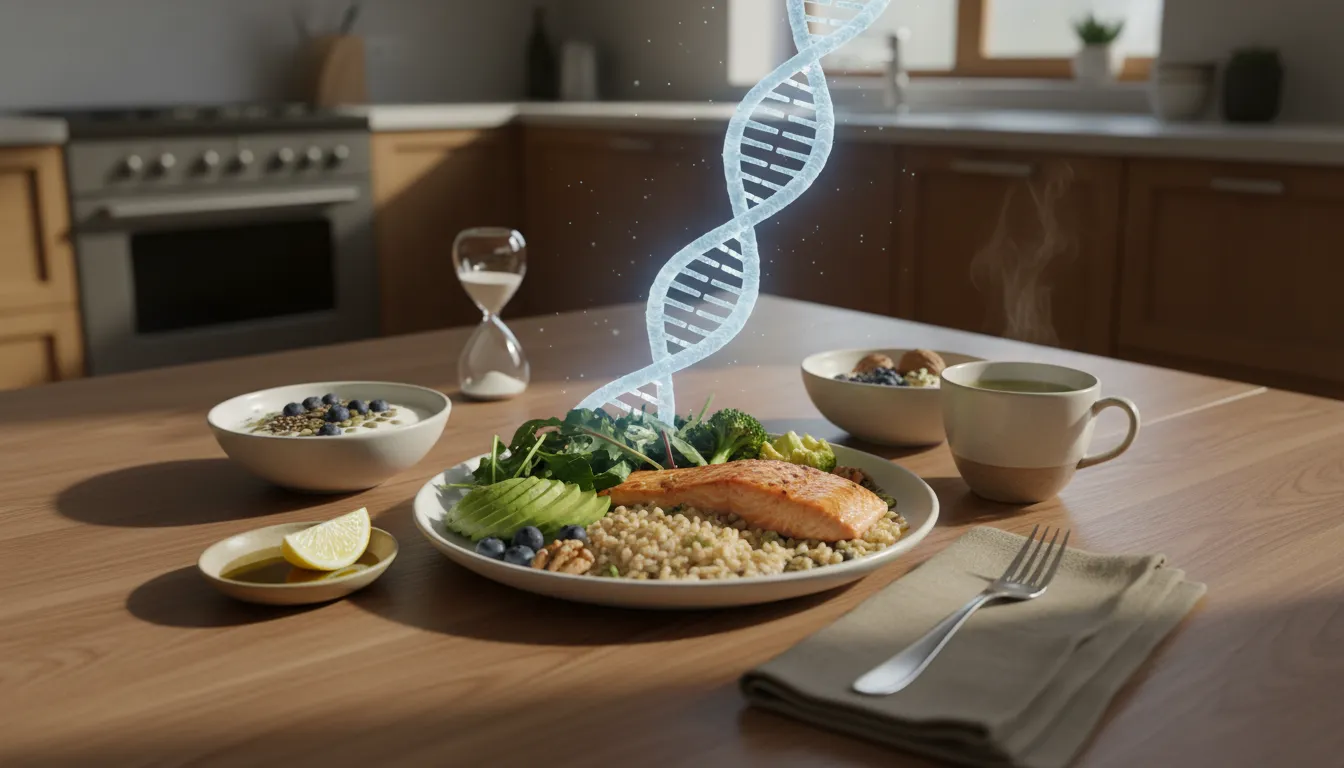
Just Eat These Every Day is a very minimalist message with enormous consequences: there are foods and meal habits that send signals to your cells that can help reduce DNA damage, prompt your cells to go on a clean-up, and ensure that the protein-making machinery in your cells works efficiently.
In today’s world, there’s a big buzz about overall health and actually feeling good all the time! Autophagy is shining bright as a superstar in how our cells fix themselves and grow anew. Say what now? Yep, you heard that right, it’s like our body’s built-in recycling system!
Autophagy helps cells refresh by clearing out damaged parts and reusing stuff. But hey, it’s not just about some fancy cell cleaning routine. It’s all about a big part of our biology that can jazz up our health and maybe even let us live longer! With more folks facing cancer these days, given how our lives are speeding up, people are super curious about ways to use autophagy, like through fasting and whatnot. It’s catching eyes everywhere, from smart science folks to your health-crazy neighbor!
Once upon a time, fasting was just for the scale, but now peeps see it’s got the goods for cells too, mainly in kicking off autophagy. There’s chatter that fasting gets this cool process started and might even help bash cancer. Who knew? When our cells feel a teeny bit stressed from fasting, they go into mega survival mode, blasting those pesky cancer cells.
So, the more we look at the puzzle of autophagy, fasting, and cancer, the more we get. And yeah, maybe, just maybe, it’ll give you some tricks to take the driver’s seat in your health adventure. Let’s take a stroll together through this awesome blend of grub, starving yourself in a smart way, and stopping icky diseases, no? Who knows what power might be hiding right inside us, just waiting to pop out.
So, what’s this funky Autophagy Thing?
Autophagy’s how cells munch on themselves in a way. Wait, what? It’s a must-do gig for cells, meaning “self-eating” in Greek, go figure! Cells break apart crummy bits and turn ’em into zesty new things. It’s like a tidy-up party inside your body. This helps keep things running smoothly by removing sneaky toxins and proteins that can cause problems. Basically, autophagy’s like that all-star janitor, keeping the place in tip-top shape.
The magic of autophagy isn’t just, ya know, regular health stuff. It’s a key role in repairing and strengthening cells. When people are stressed, say when there’s not enough food around or battling bugs, this autophagy really cranks up the clean-up. This not only gives cells the helping hand they need but also helps us all stay healthy, boosting our immune systems and helping cool inflammation. Researchers reckon juiced-up autophagy might guard us against troublesome illnesses, like brain or metabolic problems, adding a nod to its role in keeping us kicking longer and stronger.
And, oh boy, autophagy and cancer have been getting a lot of spotlight time. Studies say bigger autophagy can clamp down on cancer’s backward roll and might pop some cancer cell bubbles. By putting misbehaving cells in check and giving particle reuse a thumbs-up, autophagy curtails cancer initiation and bolsters the body’s defense against it. Hopping on the train of autophagy, revving tricks like smart-not-so-hungry days, may be crucial not only for cool cell life but also for waving away cancer spins and boosting wins in the fight against it.
Anyways, in the long run, Autophagy’s part of our lifeblood, that pygmy anecdotal cell spark, punching through our lifespan and helping us karate chop down yucky problems like cancer. Catching wind of this bio-bits trick might hand us new combos through tweaks to our diets or nibbles. As we snoop deeper into autophagy’s mysteries, we carve routes for sleek healthcare paths and rustle up some serious “what ifs.”
On to our fasting chat now, Fasting ain’t some headline fad; it’s been trooped through lots of past cultures and faiths. Different types of diets, like intermittent fasting (IF) or ticking time, open a treasure chest of perks depending on how long you keep the no-junk watch on. For instance, flipping between food roundup time and abstain mode gears our body fluidly to hop between gobbling sugar or fats for that energy oomph, pulling our cellular magic close and comfy.
Fasting triggers many processes in the body that help cells clean themselves. When cells don’t have enough food, they start a cleaning process to remove old cell parts and misfolded proteins, which is super important for keeping cells in good shape. This helping effect mostly occurs because of signals in the body, such as mTOR and AMPK. Lowering mTOR during fasting boosts cleaning, helping cells handle things like cancer. So by fasting, it not only removes cellular waste in the body but also prepares the body to fight problems that can cause cancer.
Did you know? People have been fasting for health even before we knew why it was good. The Ancient Greeks did it to think more clearly and be stronger, and many faiths fast as part of their traditions to purify the soul and develop self-control. These old traditions show fasting ain’t just a new thing—it’s something deep in our history. This makes modern studies on fasting and its role in living longer and preventing disease, especially through self-cleaning, quite believable.
As we learn more about how what we eat matters, maybe one day using fasting will be key to avoiding cancer and living healthier. While fasting has a long and meaningful history, it’s important to stay curious about new research that shows how fasting can be a valuable way to encourage self-cleaning and maintain long-term health.
Protect DNA Caps — Why telomeres matter and what to eat
Telomeres are protective ends of chromosomes; they shorten during cell division. A short telomere predicts an increased risk of cardiovascular disease, diabetes, cognitive decline, and cancer. Telomere shortening rate can be retarded by nutrition through reduced oxidative stress and the provision of essential nutrients to repair DNA.
Food Plans to Boost Self-Cleaning
Want to get the best out of self-cleaning in your body? Some food habits can really help. Colored foods like berries and dark candy are great. Why? They have strong heroes called antioxidants that start cell cleaning. Eating many veggies like broccoli and kale is also good; they have ingredients that might upgrade the li’l parts of cell recycling. Also, good fats from olive oil and avocados support self-cleaning and provide important nutrients for overall health.
You heard about fasting off and on, right? It’s become popular because it makes cells dispose of their waste. By eating sometimes and not eating other times, the body starts cleaning the cells. Studies show that fasting for 16 to 24 hours triggers self-cleaning, improves how the body works, and helps stop tumors. Eating less, but not starving, helps cells self-clean and may even make people live longer, making it a powerful trick for folks and researchers.
Balancing these food ways is super important. A diet rich in nutrients not only helps clean cells but also provides the materials needed to repair and strengthen cells and tissues. Proteins provide the amino acids needed for cell repair, while fiber-rich foods like beans support belly health and immune function. A varied, healthy diet helps the body cleanse cells and provides benefits across many areas of life.
Trying these food styles can seem hard, but little, steady changes make a big difference. Slowly starting off and on, or eating more plants, can easily fit into people’s lives. By adopting these habits, people not only boost cell health but also develop a greater love for nutritious foods. This proves the idea that what feeds us empowers health even at tiny levels.
Scientific Studies and Ideas
New ideas show how fasting, cell cleaning, and fighting bad diseases like cancer are linked. Excites me! One really important study in *Nature* shows that eating less and fasting can help cells clean themselves and might slow cancer growth. In fact, off-and-on fasting not only turns on the self-cleaning process, it even makes chemo work better, bringing a double attack on cancer. This shows how fasting and cell-cleaning could play a key role in future medical applications. Could this be the next big thing in cancer treatment? What more will science uncover?
Case studies show how, in the real world, autophagy fasting is good. Take a look at patients with cancer in the breast: they tried a diet that mimics fasting and saw cool tumor reduction and better overall health numbers. There was happiness not only enhanced by high energy levels but also a drop in inflammatory markers linked to cancer progression. Those outcomes show the potential role of autophagy not just in dealing with, but maybe even turning aspects of cancer with food options.
But even though it looks promising, research still has limits that need looking into: autophagy regulation is tricky, and the listed effects depend on context, meaning what’s found in model organisms may not always apply directly to humans. Plus, many studies just look at some cancer kinds, and there’s still a gap in seeing what fasting does with other cancers. Future research should focus on larger clinical trials and more demographic studies to determine in detail whether fasting helps stop and fight cancer.
In closing, while all the hype about autophagy and cancer is exciting, it makes a hopeful but careful point rather than sure answers. Explorers have to search this back and forth more, probably finding fasting styles and food suggestions that might change cancer care. Those curious about this should keep an eye out, as ongoing studies might uncover surprising methods to reduce cancer risks and boost life through meal tweaks.
Putting Autophagy fasting in daily routines!
Starting autophagy fasting every day involves learning different ways to fast. Say, one popular way is called skipping-time eating, where some folks take turns eating and not eating like the 16/8 way. This means not eating for 16 hours, then gobbling in an 8-hour zone: simple, yeah? You could skip breakfast and munch first meal after noon. Also, there are every-other-day fasting plans: eat normally one day and really cut calories the next. Those styles trigger autophagy, which is good, and offer a lot of flexibility in what you can feast on!
Diet helps big time improve autophagy. Aim for nutrient-rich foods like leafy greens, cabbage family vegetables, and berries, as they are packed with antioxidants and other compounds that support the body’s natural autophagy. Use good fats—like those in avocados and some nuts—while munching to keep energy flowing and help the body absorb nutrients. Another great meal idea involves lower-calorie, yet nutritious, balanced meals to help fire up autophagy.
It’s smart to think about people’s health before fasting. Folks with certain health cases, like sugar disease, eating problems, or other body syndromes, should chat with doctors before trying fasting. to make sure it’s not dangerous and it fits with the person’s needs. Someone who moves a lot or an endurance sports person might adjust fasting times to match their sports routine, getting the required nutrition for optimal performance while also starting autophagy benefits.
Trying this autophagy fasting could be a step towards great health. Take notice of your body and change if needed. Whether trying fasting to avoid cancer someday or to improve overall health, small thinking tweaks can yield noticeable results over time.
Other Benefits, Amazing!
Autophagy fasting is not only a way to fight cancer; it also offers significant benefits for overall body health. New studies show that autophagy is super important for how the body responds to sugar and metabolizes it. By removing worn-out cellular components and damaged proteins, autophagy helps cells function more effectively, leading to better blood sugar control and fewer deadly diseases such as diabetes. For example, one experiment found that time-skipping eating improved sugar response in people, demonstrating how fasting can help the body when integrated into people’s lives.
Beyond helping us stay healthy, fasting that helps clean up our cells might also protect against brain diseases like Alzheimer’s and Parkinson’s. These problems occur when harmful protein clumps build up in our brains. Fasting can help clear out these bits, maybe slowing the progression of these problems? In animals, smarter thinking and fewer brain problems were observed when this cleaning was boosted. Isn’t that cool! So, by using fasting to boost autophagy, we might find new ways to keep brains young longer.
Don’t forget, too: autophagy plays a big part in how we age and how long we live! Research says it helps cells maintain balance, yes? A study in a top magazine found that eating less, which triggers this self-cleaning, could make you live longer, in studies with yeast and mice. Could this mean that fasting not only adds years to our lives but also makes them healthier? By adopting a fasting regimen focused on autophagy, people might lower their cancer risk and lead stronger, more active lives.
Oof, but there are tough things and false beliefs out there as more people get into autophagy with fasting. Some folks mistakenly think fasting means losing muscle, especially if you’re trying to stay strong. Studies, exciting, tell us right fasting can keep muscles while dropping fat. You just gotta eat well when you do eat and pair fasting with exercise focused on power.
Another wrong assumption, hmm, is that fasting is dangerous for cancer patients. True, it’s so vital for anyone thinking about fasting to consult professionals, oh yes! But cool findings suggest that some fasting methods could improve the effectiveness of cancer treatments and make you healthier. Like, fasting a short bit before chemo has seemed to help protect healthy cells, even. An important point is that patients definitely need tailored plans guided by their health team, tailored to their wellness needs.
And there’s a thought that, eh, fasting is just about losing weight or looking young, which often shades the full spectrum of benefits. Some think that if they don’t see rapid weight changes, it means they’ve failed. But autophagy is like a long-term system inside cells that fixes and heals. Joining periodic fasts can boost health you’re not seeing right away – like, for example, better metabolism and higher disease resilience.
Surely, fasting has big-time perks, but its risks need to be known, right? For instance, those with certain conditions or who take medicines should slowly, with care. Introducing gradual diet changes and gently practicing fasting can help one smoothly ease into it while learning specific body responses. Understanding potential slip-ups along with clear, correct advice gives power to try fasting for a health boost, especially when considering cancer.
In thinking hard, autophagy fasting sounds promising against cancer, eh! Offering ways to fix cells and maybe stop tumors. By combining this eating hack with fasting, people can tap into self-cleaning benefits for overall health. Not only helping fight cancer but also opening doors to better health and a longer life, too!
Seriously, as we keep studying how self-cleaning and cancer work together, we need a lot more learning in this area. Pushing for personal well-being and wisely picking foods can push people to be active in their health choices. Let’s learn more, deepen our understanding of fasting and autophagy, and move toward a time when their benefits are known and used widely, isn’t it?
**Frequently Asked Questions**
What three foods should I prioritize first?
Start with: (1) an omega-3 thingy like wild-caught fatty fish or walnuts/flax) (2) berries or other carotenoid-full fruits/veggies and (3) leafy greens or a big family veggie group like broccoli. Together, they provide nutrients like antioxidants, omega-3 fats, folate, and other healthy plant nutrients linked to DNA repair and cell health.
How long will it take to see good stuff from changing my food?
Body changes, and better moods can appear in days to weeks. Cell signs linked to telomere length,, tummy-cleaning activity and ribosome stuff usually need months to show big change. The key is to be consistent more than being perfect.
Can I skip meals every day?
Lots of folks safely use daily time-limited eating, like 14–16 hours fasting. But everyone’s needs are different. People with long-term issues, on meds expecting a baby or feeding a baby, or with eating problems should see a doctor before starting not eating every day.
Do I need extra vitamins?
Extra vitamins are not a must for everyone. A food list with fatty fish, veggies,, whole grain stuff beans, nuts, and seeds has most nutrients. Check vitamin D, like omega-3 extras, if your food isn’t enough, and check with the experts first.
What about folks who don’t eat animal food?
Veggie and vegan foods help cell health. Focus on omega-3-rich beginner foods like flaxseed, chia, and walnuts; use different beans and grains for protein and vitamins; magnesium-rich seeds and nuts; and lots of colorful veggies. Consider algae DHA pills if needed.
Does exercising have to be really hard to support cell cleaning and ribosome stuff?
Moderate physical activity, such as brisk walking or cycling, supports cellular cleanup in muscles and the brain. Lifting weights helps build new ribosomes and maintain muscle mass. How hard it is should match fitness and health needs; consistency matters more than hard work.
Bottom line: simple promise, not a magic
Eating to help long-term cell health needs a mix of the right foods, meal timing, and daily habits. If you take the tip top tips in this text and focus on antioxidants, omega-3s, top proteins,, meal timing like a clock decent sleep and moving about you’ll be lining up your day with body processes that stop quick cell aging.
Keep it easy: Just—Eat These Every Day building parts, put together with set meal times and rest habits, and note changes by more energy, better sleep, strength, and health signs over quick fixes.
Thinking open-endedly or taking an approach that encourages continued exploration will engage and encourage open thinking.
CREDITS
cellular repair, cancer growth inhibition, dietary patterns, intermittent fasting, health benefits, cancer prevention, therapeutic approaches, recent studies, fasting protocols, cellular health,
health enthusiasts, cancer patients, dieticians, fitness trainers, researchers,






Leave A Comment