

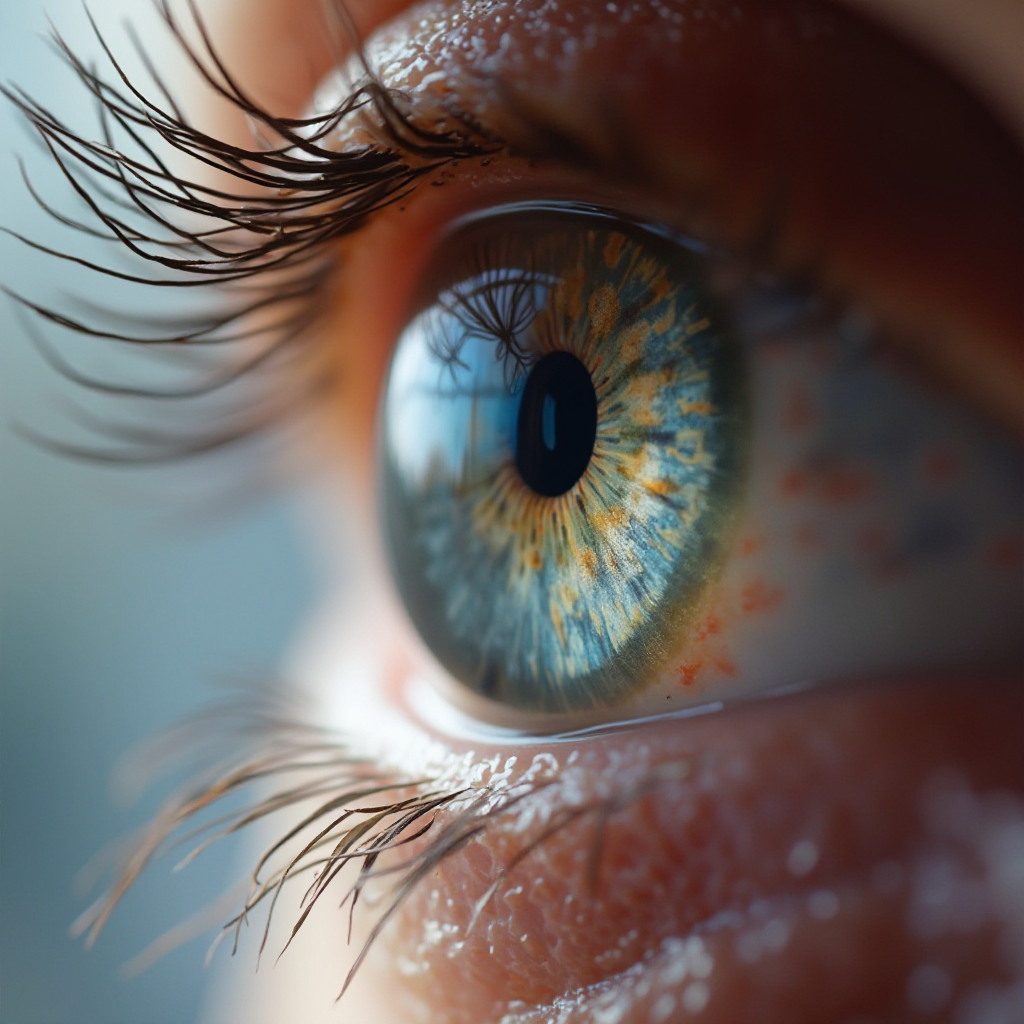
Why Lens Replacement Surgery Transforms Freedom of Lives
Why Lens Replacement Surgery Transforms Freedom of Lives
Why Lens Replacement Surgery Transforms Freedom of Lives
In a world where seeing clearly is often taken for granted, swapping out your lenses can make a significant difference for individuals who struggle with vision. This cool operation not only helps with things like cataracts, but also gives people the chance to ditch glasses and contacts. Can you picture waking up each day and seeing everything perfectly—no more trying to find your glasses in the morning or dealing with uncomfortable contact lenses? Comfy and easy, lens replacement unclearly just fixes problems; it’s a way to feel lively again and get more out of life.
With choices in vision correction changing rapidly, understanding the benefits of lens swaps is crucial now. Perhaps you have cataracts that make your vision cloudy, or you’re simply tired of wearing glasses; this surgery may be a new path to explore. From seeing better to making your life freer, the impact on daily stuff can be huge. Consider delving deeper into this amazing procedure and exploring how it might not only change what you see, but also how you perceive your day-to-day world. What could be better than clearer and freer days ahead?
Getting Lens Changed
Switching your lens is a life-changing eye correction surgery that can improve your quality of life by addressing eye focusing errors and issues, such as cataracts. This procedure typically involves removing the eye’s natural lens and replacing it with an artificial lens (IOL). This quick procedure takes less than an hour and isn’t too uncomfortable. People are often wowed by how quickly their vision improves. A person who struggled with foggy sight, possibly due to cataracts, might now see the fine print on a sauce bottle or a family member’s face very clearly after surgery.
There are many types available, each catering to the different needs and preferences of individuals.
Single-focus lenses are the most commonly used, offering sharp vision at just one distance, which works well for either nearby or faraway objects. However, people who want more variety might choose multifocal or adjustable lenses, which provide vision at different distances, making glasses less necessary. Picking a lens can depend on one’s lifestyle; for example, if someone is more active, they might want a lens for better near vision, which is great for reading a book or playing on a smartphone.
Who can swap their lenses?
Well, that can include a wide range—from people in their middle age with focusing issues to older folks dealing with fuzzy cataracts. Usually, if a person is older than 50, has experienced changes in their vision due to ageing, or feels their glasses are no longer effective, they may be a good candidate. Additionally, if wearing glasses every day isn’t their preference, and they’re looking for an alternative, this surgery offers fresh hope. However, first, a thorough eye check-up is necessary to determine if this fix is suitable based on the specific vision problems each person faces.
Cool Benefits
One of the biggest pluses of swapping out your lens is how much better you see afterwards. Imagine going out on a sunny day and suddenly noticing the bright colours of flowers and the tiny details on far-off buildings without the usual blur. This change not only clears up your vision but also makes life less stressful when seeing was once a chore. Many people find a new appreciation for simple things, such as reading, driving, or simply enjoying the park—all of which are easier thanks to sharper vision.
Another significant benefit is the reduction of reliance on glasses and contact lenses. If you’ve been wearing glasses for years, simply thinking about waking up and seeing without them can be game-changing. Being able to dash out for a swim without contact lens issues or joining activities without having frames slipping is freeing! Smart and carefree, life after surgery feels simpler; doesn’t everyone want to feel that way, letting go of the rituals tied to eye devices?
Moreover, better vision means enjoying a better quality of life and performing daily tasks more easily. People who have always had bad eyes now find themselves doing things they love again. For example, a retired person might start painting again, and a young worker might play sports more confidently in the open. Every time they see clearly, these things become more fun, not just stuff to do. So, changing the lens in the eyes helps not just with vision but also makes life happier, letting people try experiences they might have skipped before.
How It Helps People With Cataracts
Cataracts are a common vision problem that can make everyday life challenging, such as when reading or driving becomes blurry. Lens replacement surgery is a solution for individuals dealing with this condition, which involves inserting a new, clear lens into the eye. This easy operation lets folks see bright and clear again. Lots of people say their life gets better, too – think about waking up and seeing the day brightly without using your glasses.
When we compare it to old-style options like removing the cataract and using glasses, this surgery appears more lasting. People say they feel free from glasses and see well with lenses that help them see both near and far. This can elevate everyday moments, allowing people to join in on things they previously found hard, such as playing with grandkids or watching the colours of a sunset.
Stories from people demonstrate the effectiveness of this surgery. There is Joan, age 68, who loves gardening, and she underwent surgery because her cataracts made gardening difficult for her. Afterwards, she regained her vision and her love for gardening, spending hours with her plants happily, minus her glasses. Additionally, Tom, a retired teacher, noted that clear vision helped him rediscover his favourite books, something he had almost given up on. These happy tales convey a shared sentiment: life without glasses is liberating, making lens changes a significant step toward a brighter life.
Long-Lasting Fix for Vision Problems
Lens surgery isn’t just for cataracts; it addresses various vision issues, including nearsightedness, farsightedness, and age-related changes to the eyes. People with these troubles often feel stuck with their glasses or lenses. By choosing lens surgery, people improve their vision and enjoy a better quality of life. Good candidates for this procedure are those who can’t see clearly with glasses or contacts and are generally healthy, without any diseases.
The most beneficial aspects of lens surgery are its long-term effects. Unlike glasses or contacts that require regular replacement, the fake lens lasts for many years, possibly forever. People notice significant advances in daily activities, such as reading, driving, and spending time outside, without always fearing broken or lost glasses. This surety in vision is significant, allowing people to live fully without the barriers of regular sight fixes.
Moreover, comparing lens surgery to other vision corrections, its benefits are evident. While procedures like LASIK offer a quick fix, they may not address vision changes associated with aging. Conversely, lens surgery targets not only vision troubles but also potential later-on issues, such as cataracts. Some misconceptions about surgery suggest it’s a tricky and unsafe procedure; yet, new technology means shorter downtime and excellent safety records. Who wants to think more about their vision when safe methods are there?
Patients can often return to their everyday tasks quickly, demonstrating how the benefits of this surgery outweigh the concerns. Lens swap surgery is a significant step that not only significantly improves sight but also helps individuals live life more fully on their own. With steady outcomes and fewer long-term expenses compared to traditional methods of correcting vision, this surgery offers a chance for lasting relief from eye problems.
What Happens in the Surgery?
If you’re curious about lens swap surgery, it’s essential to understand what happens during each stage, from preparation to recovery. Before surgery, patients typically undergo a check-up. It includes vision checks, an eye test, and discussions about different lens options, such as lenses that allow you to see both close and far, or ones designed for people with blurred vision. Getting ready not only tailors the surgery plan to the individual but also alleviates worries.
The surgery itself is quick and typically takes less than an hour. Using local numbing, the doctor makes a small incision in the eye and removes the foggy or present lens. One person said this part was pretty unreal, feeling more like a soft push than surgery. The new lens goes in after, lined up right for super clarity. Newer technology means surgeries are often less invasive, resulting in less pain and a faster recovery. Taking care of your eyes after surgery is crucial to your journey to clearer sight. After surgery, patients are usually advised to rest and avoid strenuous activities for a while. However, a lot can start with easy steps right away. Follow-up check-ups ensure the fix heals correctly and the new lens functions properly.
One person said these visits were comforting since she could see better really fast, helping her daily life change before her very eyes. Ultimately, the entire journey – from preparation to check-ups – aims to make the transition to a life without glasses and lenses as smooth as possible. The significant impacts of lens swap surgery can be substantial, providing improved vision, as well as new confidence and freedom in daily activities. Many people find that the time spent understanding and preparing for surgery is well worth it for the amazing results that follow.
Wondering if lens swap surgery is for you? Lens swap surgery is a new way to unlock sharp sight for many, but who should consider this path is key. Typically, individuals with significant vision issues, such as nearsightedness, farsightedness, or blurred vision, can greatly benefit from this surgery. Also, clouded vision patients usually see lens swap not only clears cloudy eyesight but also brings back the bright sight they remember.
Relying on glasses or lenses slows down daily activities
Perhaps lens swap surgery is the long-term solution you’ve been seeking for your vision. Many factors determine whether lens swap surgery is the right move. Age matters significantly; people over 40 often experience a decline in natural sight, which can lead to poor decision-making. However, it’s more than just age. Health stuff matters too. People should be in good health, without any conditions that hinder healing or compromise the surgery’s success.
Work closely with an eye professional to determine if this surgery is suitable for you, taking into account your personal life and needs. For caregivers of elderly patients, understanding the benefits and concerns associated with lens swap surgery is also crucial. Older adults who struggle with tasks—such as reading or staying connected—that poor vision makes difficult may see a significant improvement in their quality of life through this surgery. When helping a loved older one think through this choice, chatting about how it helps and talking through any fears about surgery is crucial. Could you share your thoughts on this? Do you or a loved one wonder if a lens swap might be the best way to achieve better vision?
Sure thing! Let’s make it simple and chatty:
You know? Knowing more and feeling comfortable with a choice can really help families and their loved ones make informed decisions about undergoing this major surgery. Truth be told, getting a lens swapped can open a door to new personal freedom and make living day-to-day much better.
Life After Lens Swap Surgery
Getting used to a fresher vision after lens switch surgery is a great time for many people. After years of struggling with fuzzy eyesight and perhaps needing glasses or contacts, people are often amazed at how much better they see now. Like Linda, she shared how it was like seeing the world fresh again. Just a few days in, she could see the colours in her flowers and sweet details of her grandkids’ faces — tiny bits she had missed before.
This newfound clearness can change how a person feels emotionally and gives them a new sense of personal freedom and belief in themselves.
Every day tasks that once seemed hard now seem much easier after surgery. Easy things like reading a menu in a dim café, walking down grocery aisles, or threading a needle become fun again without big clunky glasses. Many people started doing things again, they had stopped because of poor vision. John, who loves painting, was thrilled to return to art with the clarity he hadn’t experienced in years. Doing things without obstacles really makes living better for everyone.
Maintaining good eye health after surgery is key, as it ensures the lens swap continues to function properly. Regular check-ins with vision keepers help track vision and address any concerns that may arise. People are often surprised to learn that eye care is more than just maintaining sight; it’s also about living a healthy life. Eating a balanced diet rich in vitamins, wearing safe eyewear, and staying physically active help maintain eye health. Maintaining these habits enables people to experience overall improvement in their well-being, ensuring that the benefits of lens surgery last for many years to come.
**Homoeopathic Fix for Cataracts**
Homoeopathy provides a comprehensive approach to addressing cataracts, focusing on enhancing eyesight and promoting overall eye health. Many people have shared positive stories about this method, demonstrating its effectiveness in reducing symptoms and improving vision clarity. By introducing new approaches in eye care, homoeopathy aims to provide solid support to those seeking alternatives beyond traditional treatments.
Homoeopathic remedies for cataracts are a unique choice for people seeking non-invasive solutions. Many share changes that work, such as remedies like **Causticum** and **Phosphorus**, which have improved their vision incrementally. Those patients discuss the entire approach homoeopathy takes; it doesn’t just focus on the eye’s lens, but also considers general health and mental well-being. By addressing hidden imbalances, people experience an improvement in their quality of life, feeling empowered amidst struggles with vision loss.
Furthermore, patient stories from various homoeopathic groups reveal a growing circle that finds solace in natural remedies. Supporters argue that this path invites deeper self-awareness and understanding of oneself, leading them away from typical surgical approaches. Many say that, alongside better eyesight, their belief and emotional toughness also become stronger, allowing them to participate more fully in life. The journey is not just clearer sight; it’s about owning their story and taking control of their health picks.
Look to a Brighter Tomorrow
All in all, getting lenses replaced is a significant step forward in vision correction, offering not only sharper eyesight but also freedom from glasses and contact lenses. People can have an eye-opening adventure — getting back the chance to do everyday things with clarity and confidence. From improved quality of life to greater independence, the benefits of this surgery are wide-reaching and profound.
Are you thinking ’bout choices for seeing clear? Lens switching surgery may be the key to unlocking a brighter, more well-defined life. We recommend looking into this new answer and consulting a trusted expert to address your specific needs. Don’t forget that making informed choices about your eye health matters; with good information and guidance, you can take steps toward improved eyesight and overall well-being. But who knows what the future might hold for you? Isn’t it interesting to think about?






Leave A Comment