Discover 7 Incredible Health Benefits of Nardostachys Jatamansi Today
Discover 7 Incredible Health Benefits of Nardostachys Jatamansi Today
Discover 7 Incredible Health Benefits of Nardostachys Jatamansi Today
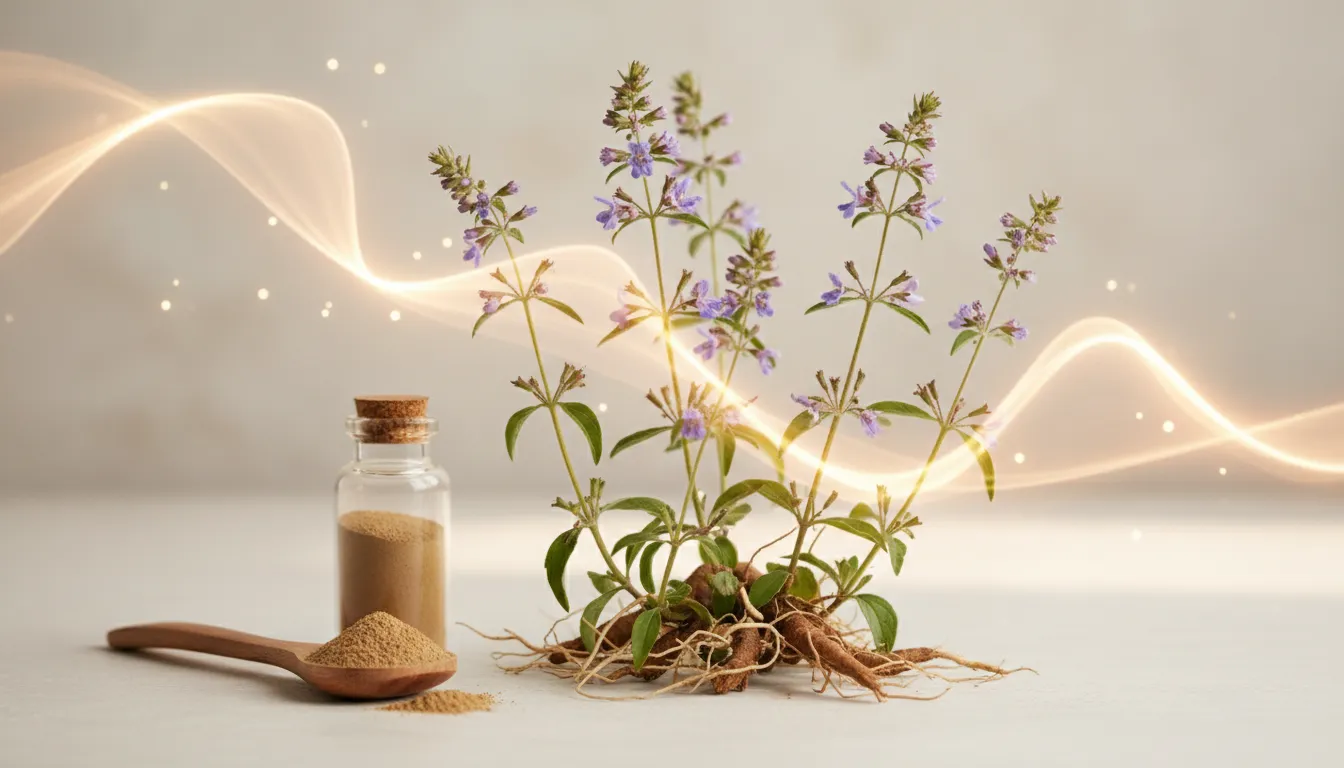
The amazing health benefits of Nardostachys jatamansi are widely discussed in Ayurveda, especially for support of the nervous system, digestion, heart health, urinary concerns, skin and hair, and external applications. Nardostachys jatamansi is commonly known as Jatamansi (also called Indian nard and spikenard).
This guide explains what Jatamansi is, what medicinal properties are traditionally attributed to it, the practical ways it is typically taken, commonly suggested combinations, and the key precautions to follow so you can use it responsibly.
Table of Contents
- Step 1: Understand what Nardostachys jatamansi (Jatamansi) is
- Step 2: Know the traditional medicinal properties attributed to Jatamansi
- Step 3: Learn the Amazing Health Benefits of Nardostachys jatamansi across 7 common areas
- Step 4: Choose a practical way to take Jatamansi (based on traditional methods)
- Step 5: Common combinations mentioned for specific concerns
- Step 6: Consider external use and Jatamansi oil
- Step 7: Follow dosage and safety precautions
- FAQ
- Key takeaways and next steps
Step 1: Understand what Nardostachys jatamansi (Jatamansi) is
In Homoeopathy, Jatamansi is used as a plant-derived remedy. The focus is on its effects on the mind and intellect as well as body systems that influence overall health, such as digestion and circulation.
Nardostachys jatamansi is also linked in traditional descriptions to balancing the body’s three doshas: Vata, Pitta, and Kapha (often referred to as tridosha balancing).
Step 2: Know the traditional medicinal properties attributed to Jatamansi
Ayurvedic descriptions commonly assign Jatamansi the following qualities (as medicinal traits):
- Laghu (light) quality, suggested to support easier digestion
- Snigdha (unctuous) quality, described as providing a lubricating or soothing effect
- Taste profile traditionally described as bitter, astringent, and sweet
- The temperature effect is described as cooling
These traits are often used to explain why Jatamansi is traditionally considered relevant for both psychological stress-type issues and metabolic and digestive imbalances.
Step 3: Learn the Amazing Health Benefits of Nardostachys jatamansi across 7 common areas
Benefit 1: Support for the brain, nervous system, and mental well-being
Jatamansi is traditionally associated with improving mental clarity and supporting the nervous system. It is commonly mentioned in relation to:
- Excessive anxiety and stress-type mental disturbances
- Low mood conditions, such as depression-like states
- Sleep disturbance (insomnia)
- Fear, anger, and restlessness-type mental aggravations
- Conditions traditionally described under terms like unmada (psychological instability) and apasmara (seizure-related conditions)
In addition, it is traditionally described as supporting memory and focus, which is why it is often discussed for intellect-related support.
Benefit 2: Digestion and metabolism support
Jatamansi is also used in Ayurveda for digestive support. It is traditionally linked with:
- Deepana (supporting digestive fire)
- Pachana (supporting digestion and assimilation)
- Anulomana (helping normalize the downward movement of vata in the gut)
Because stress can worsen digestion, Jatamansi is also traditionally positioned as a “double support” remedy: calm the mind and help digestion perform better.
Benefit 3: Heart health support
Traditional use includes support for heart-related concerns, such as:
- High blood pressure (hypertension)
- Palpitations (rapid or forceful heartbeat)
- Heart rhythm irregularity, described as arrhythmia-like** concerns
It is often discussed as being relevant, especially when stress triggers increased heartbeat and fear sensations.
Benefit 4: Urinary system and kidney-related support
Jatamansi is traditionally used in urinary concerns, including:
- Reduced urine flow
- Frequent urination
- Urinary discomfort issues and bladder-related inflammation-like conditions
- Prostate-related urinary discomfort is mentioned in traditional framing
Since urinary issues can increase irritability, it is also traditionally considered supportive for mental calm during ongoing discomfort.
Benefit 5: Reproductive and fertility support (traditional use)
Homoeopathic use includes male reproductive concerns such as infertility-related issues. Traditional discussion also emphasizes benefit in stress-induced infertility.
For women, traditional use mentions help with:
- Period-associated abdominal pain (where applicable)
- Period flow concerns are described as being less
Important note: Traditional guidance also warns that if menstrual flow is already very high, Jatamansi use is not recommended in that context.
Benefit 6: Skin complexion and skin disorder support
Jatamansi is traditionally described as supporting skin glow and reducing skin disorders. Traditional framing includes:
- Support for a healthy complexion (often expressed as improving “kanti” or glow)
- Reducing skin problems linked to Kapha and Pitta imbalance
- Support in skin conditions traditionally grouped as kushtha-type disorders
Benefit 7: Hair fall and greying support, plus external applications
Hair-related traditional mentions include:
- Hair fall concerns (including patterns described as khālitya)
- Premature greying-like concerns are described in traditional terms
In addition to internal use, it is also traditionally applied externally in forms like paste and powders to address localized concerns such as:
- Swelling and inflammation-type problems
- Pain and burning sensations on the skin (local application)
- Hyperpigmentation or discoloration concerns
- Excess sweating with odor concerns
Step 4: Choose a practical way to take Jatamansi (based on traditional methods)
Traditional guidance commonly provides multiple ingestion methods. The right choice depends on the form available and the goal.
Option A: Jatamansi ghee (Jatamansi ghrita) by the dose
Traditionally, Jatamansi ghrita is used with a commonly mentioned dose of:
- 1 teaspoon either in the morning on an empty stomach, or at night before sleep
This is presented as one of the more structured internal methods.
Option B: Nasal use (Jatamansi nasyam) in small drops
Traditional use also includes nasal instillation (nasyam). Commonly suggested approach:
- Use 2 drops of the medicated oil or ghrita preparation in each nostril
- Do it before sleep
Safety note: Nasal administration should be done carefully. Follow guidance from a qualified practitioner, especially if you have nasal inflammation or other related issues.
Option C: Jatamansi powder or raw powder in warm water (soaking method)
A traditional method involves soaking a small quantity:
- Take 1 to 2 grams of the powder (commonly described as about half to a little under half a teaspoon)
- Soak in warm water for about 4 hours, covered
- Before sleep, filter/strain and consume the liquid
- If using powder form, straining may be unnecessary in traditional framing
This method is often discussed for intellect and memory-related support.
Option D: Simple powder with honey or water (digestive and general support)
Another commonly mentioned approach is taking the powder:
- 1 to 2 grams
- Mix with honey or take with water
Step 5: Common combinations mentioned for specific concerns
Ayurvedic use often pairs herbs based on the target symptom. Traditional combinations commonly mentioned include:
For memory, focus, and cognition
- Brahmi (powder) with Jatamansi powder, mixed in equal quantities, then taken in a small dose, such as 1 to 2 grams, once or twice daily
For sleep disturbance (insomnia-type)
- Ashwagandha powder with Jatamansi powder in equal amounts, then taken in a small dose, such as 1 to 2 grams, before sleep
For stress-related protective support (traditional incense method)
Traditional practice includes burning a protective-type incense preparation with Jatamansi and ghee, described as supportive for protection.
Do not substitute home remedies without guidance. Incense use should be safe for your environment and personal health conditions.
For heart-related swelling-type issues (traditional pairing)
- Arjuna bark with Jatamansi powder, mixed and taken in a small dose, such as 1 to 2 grams, once or twice daily
- Punarnava with Jatamansi for swelling-type concerns, taken in a similar small dose range
- Ashwagandha with Jatamansi for fatigue is mentioned alongside heart-related support
For urinary concerns
- Gokshura with Jatamansi (equal quantities), taken in a small dose range
- Punarnava with Jatamansi is another traditional approach
For reproductive concerns (stress-linked infertility)
- Jatamansi powder (often via the soaking method) is traditionally emphasized for stress-linked infertility
Step 6: Consider external use and Jatamansi oil
Jatamansi can be used externally in traditional ways:
- Lep (paste/poultice) for localized skin concerns like discoloration and burning sensations
- Powder application for sweating-related odor concerns
- For swelling and localized inflammation, a traditional localized application is described
Traditional oil preparation is also described as being made using a decoction (kashaya) or paste plus sesame oil, boiled until the oil remains. This is presented as a more “shastric” method rather than an informal “soak and sun” approach.
Step 7: Follow dosage and safety precautions
Traditional guidance repeatedly emphasizes not taking excessive amounts. Overuse is described as potentially causing digestive disturbances such as:
- Abdominal cramps (moroड़-type discomfort)
- Nausea or a vomiting-like feeling
- Loose motions
Core precautions to follow:
- Use the commonly mentioned small dose range (often 1 to 2 grams for powder preparations) rather than higher amounts.
- Pregnancy caution: Traditional guidance states it should not be used during pregnancy.
- Heavy menstrual flow caution: Traditional guidance advises against use when menstrual flow is already very high.
- Nasal use caution: Nasal administration should be done carefully and ideally under practitioner guidance.
- Personalization: Dosage and duration should be tailored based on your constitution and current condition.
FAQ
What are the main Amazing Health Benefits of Nardostachys jatamansi?
Traditionally, Jatamansi is discussed for support to the nervous system and mental well-being, digestion and metabolism, heart health, urinary concerns, reproductive health, skin glow and skin disorders, and hair fall and greying-type concerns. It is also used externally for localized skin and inflammation-type problems.
How much Jatamansi should be taken daily?
Traditional guidance commonly mentions a small dose range for powder preparations of about 1 to 2 grams, depending on the method and the health goal. Taking higher quantities is not recommended due to possible digestive side effects.
What is the soaking method for Jatamansi powder?
A traditional approach involves soaking a small quantity of powder (commonly 1 to 2 grams) in warm water for about 4 hours in a covered container, then straining (if needed) and consuming it before sleep.
Is Jatamansi used for insomnia?
Traditional practice includes using Jatamansi in relation to sleep disturbance, often discussed along with ashwagandha powder and taken before sleep in a small dose range.
Can Jatamansi be applied externally?
Yes. Traditional external use includes applying paste or powder on skin for concerns such as discoloration, burning sensations, excess sweating with odor, and localized swelling or inflammation-type issues.
Who should avoid Jatamansi?
Traditional guidance states it should be avoided during pregnancy. It is also cautioned when menstrual flow is already very heavy. For nasal use and internal dosing, it is best to follow practitioner guidance based on your situation.
Key takeaways and next steps
- Jatamansi (Nardostachys jatamansi) is traditionally used for a wide set of health supports, especially the mind and intellect, digestion, heart-related concerns, urinary issues, skin and hair, and external localized applications.
- Common traditional dosing for powder is often in the range of 1 to 2 grams, and taking too much may cause digestive side effects.
- Multiple traditional methods exist: powder with water or honey, soaking in warm water, medicated ghee dosing, and nasal instillation (nasyam).
- Use precautions: avoid in pregnancy, be cautious with heavy menstrual flow, and do nasal or combination regimens under appropriate guidance.
If you plan to start Jatamansi for a specific concern (sleep, heart-related symptoms, urinary issues, skin, or hair), it is wise to confirm the right form, dose, and combination for your condition with a qualified Ayurvedic practitioner.
Amazing Health Benefits of Nardostachys jatamansi, Explained: Uses, Dosage, and How to Take It Safely
Free Stuff! |
|
Check out this really cool thing |
| Click me |











Leave A Comment
You must be logged in to post a comment.