Unlock The Nutritional Secrets Of Sea Buckthorn For Better Wellness
Unlock The Nutritional Secrets Of Sea Buckthorn For Better Wellness
Unlock The Nutritional Secrets Of Sea Buckthorn For Better Wellness
Sea Buckthorn (Rhamnus cathartica) is often sought for its nutrient-dense berries, linked to immunity, skin health, antioxidants, omega fatty acids, and general wellness support. If you are trying to understand what it is, what it may help with, how to use it, and what claims to treat cautiously, this guide brings everything together in one place.
Sea buckthorn is a small orange berry traditionally associated with the Himalayan regions and is also known in wider botanical and nutritional discussions for its dense nutritional profile. It is commonly discussed for vitamin C, antioxidants, lipids, and the unusual presence of omega-3, 6, 7, and 9 in the same plant source. At the same time, many online articles overstate what it can do. The smarter approach is to separate plausible nutritional benefits from exaggerated promises.
This article explains Sea Buckthorn (Rhamnus cathartica) step by step, including what it is, why people use it, which nutrients matter most, how it is taken, what quality signs to check, and when medical advice is necessary.
Table of Contents
- Step 1: Understand What Sea Buckthorn, Rhamnus cathartica, Actually Is
- Step 2: Learn Why Sea Buckthorn Rhamnus cathartica Is Considered Nutrient-Dense
- Step 3: Know the Most Commonly Claimed Benefits of Sea Buckthorn, Rhamnus cathartica
- Step 4: Separate Plausible Benefits From Overblown Claims
- Step 5: Understand How Sea Buckthorn, Rhamnus cathartica, May Support Immunity and Inflammation Balance
- Step 6: Explore the Skin, Hair, and Anti-Aging Use Cases of Sea Buckthorn Rhamnus cathartica
- Step 7: Review What Sea Buckthorn, Rhamnus cathartica, May Mean for Heart Health
- Step 8: Look Closely at Fatty Liver and Metabolic Health Claims
- Step 9: Understand the Different Forms of Sea Buckthorn, Rhamnus cathartica, Products
- Step 10: Learn how Sea Buckthorn Rhamnus cathartica Is Commonly Taken
- Step 11: Know What Good Quality Sea Buckth Rhamnus amnus cathartica Should Look Like
- Step 12: Watch for Common Buying Mistakes
- Step 13: Understand the Safety and Side Effects of Sea Buckthorn, Rhamnuss cathartia,
- Step 14: Use Sea Buckthorn Rhamnus cathartica as Part of a Smarter Wellness Routine
- Step 15: Know When Sea Buckthorn Rhamnus cathartica May Be Worth Trying
- Step 16: Keep the Research in Perspective
- Step 17: A Simple Checklist Before You Buy
- FAQ
- Final Takeaway
Step 1: Understand What Sea Buckthorn Rhamnus cathartica Actually Is
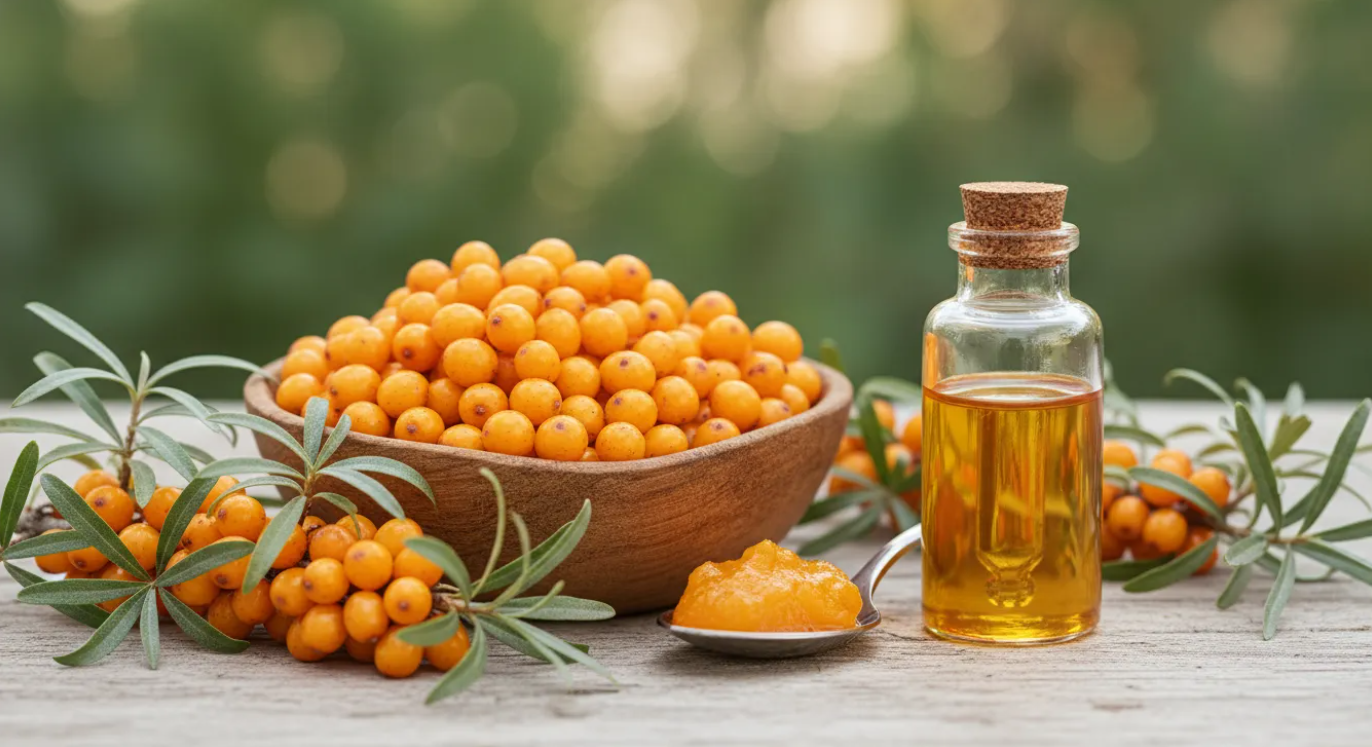
Sea buckthorn is a small orange berry-bearing plant that grows in harsh climates, including high-altitude Himalayan areas. It is notable because the plant’s berries, seeds, pulp, leaves, and oils are used in various wellness and cosmetic products.
One important clarification is needed here. The search phrase “Sea Buckthorn, Rhamnus cathartic” combines two different botanical concepts that are often confused online. Sea buckthorn is generally discussed under Hippophae rhamnoides, while Rhamnus cathartica refers to common buckthorn, a different plant. If your goal is the orange superfruit used in juices, oils, capsules, and skincare, you are usually looking for sea buckthorn, not common buckthorn.
That distinction matters because products, research references, and discussions of traditional use usually center on sea buckthorn as a nutrient-rich orange berry.
Why does it get so much attention?
- It survives in extreme environmental conditions.
- It is discussed as a naturally concentrated source of bioactive compounds.
- Different parts of the plant are used in different formats, such as juice, oils, capsules, dried berry powder, and topical products.
- It is commonly positioned as a preventive wellness food rather than a medicine.
Step 2: Learn Why Sea Buckthorn Rhamnus cathartica Is Considered Nutrient-Dense
The main reason people search for Sea Buckthorn (Rhamnus cathartica) is its nutritional profile. It is commonly described as rich in:
- Vitamin C
- Antioxidants
- Lipids and fatty acids
- Omega-3, -6,-77, and 9
- Multiple vitamins and minerals
- Bioactive plant compounds
One of the standout points in the discussion about sea buckthorn iomega-7 7. It is often described as relatively rare in plant sources, which is one reason sea buckthorn oil receives so much attention for mucosal tissues and skin-focused wellness products.
Another point often highlighted is antioxidant capacity. Sea buckthorn is frequently promoted as a fruit with high oxygen radical absorption capacity, or ORAC. ORAC comparisons can be useful as a rough way to discuss antioxidant potential, but they should not be treated as proof that a food can prevent or cure disease on its own.
If you want a broader background on antioxidant nutrition, this antioxidant resource gives helpful context on how antioxidants are discussed in health content.
Step 3: Know the Most Commonly Claimed Benefits of Sea Buckthorn, Rhamnuss cathartia,
People usually search for this berry because of one or more of the following potential benefits.
Immune support
Sea buckthorn is commonly used as a daily wellness supplement because its combination of vitamin C, antioxidants, and lipids may support normal immune function. It is especially discussed in the context of general resilience rather than the treatment of a specific illness.
Skin support
Sea buckthorn oil is widely used in topical skincare. It is associated with nourishment, hydration, support for dry or stressed skin, and a more vibrant appearance. It is also commonly discussed in relation to under-eye dryness, texture, and visible dullness.
Hair and scalp support
Because of its oil profile and general nutrient density, it is often used in products designed for hair texture, scalp care, and breakage support.
General antioxidant support
Sea buckthorn is often chosen by people exposed to pollution, sedentary routines, stress, or other factors associated with oxidative stress. The idea is not that it cancels out an unhealthy lifestyle, but that antioxidant-rich nutrition may support the body’s normal defenses.
Heart and circulatory wellness
Sea buckthorn is often discussed for its heart health benefits due to its fatty acid profile and antioxidant content. Claims in this area usually center on support for normal lipid balance, arterial flexibility, and cardiovascular wellness.
Liver and metabolic health
Another common reason people search for Sea Buckthorn (Rhamnus cathartica) is concern about fatty liver, triglycerides, and modern diet-related metabolic stress. Sea buckthorn is commonly positioned as a supportive nutritional addition, especially alongside better dietary fat choices.
Step 4: Separate Plausible Benefits From Overblown Claims
This is one of the most important steps.
Sea buckthorn may be a useful functional food or supplement, but it should not be treated as a miracle cure. Online content often jumps from “nutrient rich” to “cures major disease,” which is not a responsible conclusion.
Here is the practical way to think about it:
- Reasonable claim: It may support normal immunity, skin health, antioxidant defense, and overall wellness.
- Reasonable claim: Its oils and nutrient profile may support mucosal tissues, skin barrier function, and general nutritional balance.
- Possible but condition-specific claim: It may be useful as part of a broader lifestyle plan for lipid management, liver support, or inflammation-related wellness.
- Unreasonable claim: It can replace medical treatment for cancer, cardiovascular disease, liver disease, or autoimmune illness.
If you have a diagnosed condition, sea buckthorn belongs in the category of supportive nutrition, not a stand-alone treatment.
Step 5: Understand how sea buckthorn may support immunity and Inflammation Balance
Much of the interest in sea buckthorn stems from its potential role in preventive wellness. Discussions around the berry often focus on three mechanisms:
- Support for normal inflammatory response
- Antioxidant defense against oxidative stress
- Nourishment of mucous membranes and barrier tissues
Mucosal tissues matter because they form part of the body’s frontline barrier system. Products rich in certain lipids, including omega-7, are often marketed for support of these tissues. This is one reason sea buckthorn is discussed not only for skin but also for the body’s internal protective surfaces.
Inflammation is another recurring theme. A balanced inflammatory response is part of healthy immune function. The idea often presented with sea buckthorn is not simply “reduce inflammation,” but rather support normal regulation through nutrient supply. That is a more accurate and careful way to frame it.
For readers interested in prevention-oriented health content, this prevention archive may also be useful.
Step 6: Explore the Skin, Hair, and Anti-Aging Use Cases of Sea Buckthorn
Skincare is one of the strongest practical use cases for sea buckthorn. It appears in facial oils, creams, serums, balms, and under-eye products because of its rich oil content and bright pigment.
Topical sea buckthorn products are commonly used for:
- Dry skin
- Dull-looking skin
- Support for visible skin texture
- Skin nourishment after environmental stress
- Barrier support
Some products are marketed to reduce the appearance of wrinkles and improve glow. That can be reasonable if the product improves hydration and barrier function, but it is still important to keep expectations realistic. No oil can permanently reverse aging. What it may do is make skin look better, hydrated, calmer, and more supple.
Sea buckthorn oils are also discussed for wound and burn support in historical and research contexts. That does not mean people should self-treat burns or serious skin injuries at home. For damaged skin, patch testing and proper medical guidance remain important.
Step 7: Review What Sea Buckthorn May Mean for Heart Health
Cardiovascular interest in sea buckthorn generally focuses on its omega fatty acid content, antioxidant profile, and potential support for normal lipid balance.
The most commonly discussed wellness angles include:
- Support for a healthy cholesterol balance
- Support for normal HDL and LDL patterns
- Help with oxidative stress that can affect vascular tissues
- Support for healthy arterial function
These are support-level ideas, not guaranteed outcomes. If you already have high cholesterol, coronary artery disease, chest pain, or high cardiovascular risk, sea buckthorn should not delay standard care.
For evidence-based heart information, it helps to compare supplement claims with trusted public resources such as the American Heart Association.
Step 8: Look Closely at Fatty Liver and Metabolic Health Claims
One of the more practical search intents for Sea Buckthorn (Rhamnus cathartica) is fatty liver support. Why? Because people dealing with sedentary lifestyles, central obesity, elevated triglycerides, or poor diet often look for natural ways to improve liver health.
Sea buckthorn is commonly discussed here because:
- It contains omega fatty acids
- It is linked with lipid metabolism discussions
- It is associated with antioxidant support
- It may fit into a broader liver-friendly nutrition strategy
The practical takeaway is this: sea buckthorn may be a supportive addition to a metabolic health plan, but the foundation still matters more:
- weight management
- less refined sugar
- better cooking fats
- regular movement
- adequate sleep
- limiting alcohol when relevant
It is also sensible to focus on overall health habits rather than just one supplement. General wellness resources, such as this health archive, can help place supplements in a broader lifestyle context.
Step 9: Understand the Different Forms of Sea Buckthorn, Products
If you shop for sea buckthorn, you will quickly notice that the product types vary a lot. That matters because different forms may emphasize different parts of the plant.
Sea buckthorn juice
Usually made from the berry pulp or juice portion. Often tart. Commonly used for general wellness and daily nutrition.
Sea buckthorn seed oil capsules
Focus on the oil extracted from the seeds, which is often chosen for its convenience and fatty acid content.
Sea buckthorn berry oil
Derived from the fruit pulp. Often used in skincare or as a specialized supplement, depending on product design.
Dried berries or powders
Used in teas, powders, blends, or functional food products.
Leaf tea
Some brands also use the leaves for tea products.
Creams and facial oils
Used topically for skin nourishment and cosmetic support.
If a brand does not clearly tell you which part of the plant is used, that is a sign to look more carefully before buying.
Step 10: Learn how sea buckthorn is commonly taken
Usage depends on form.
Juice: Often taken in small amounts because it can be quite sour.
Capsules: Used for convenience and easier daily consistency.
Topical oil: Usually applied in very small amounts, sometimes diluted into cream or another carrier product because pure oil can be potent.
Tea or powder: Added to a daily wellness routine if the product is intended for ingestion.
Always follow the product label, as concentrations vary widely. One sea buckthorn product may be a mild juice blend, while another may be a concentrated oil capsule.
If you are pregnant, breastfeeding, on medication, or managing a chronic disease, ask a healthcare professional before starting a supplement routine.
Step 11: Know What Good Quality Sea Buckthorn, Rhamnus cathartica, Should Look Like
Product quality matters a lot with sea buckthorn because the berry is delicate, and freshness can affect taste, stability, and perceived quality.
Use this checklist when evaluating a product:
- Botanical clarity: Does the label clearly identify sea buckthorn and the plant part used?
- Processing transparency: Does the brand explain how berries are harvested, sorted, and processed?
- Freshness indicators: Juice is usually naturally tart. A suspiciously flat or overly sweet product may be heavily diluted or blended.
- Certification: Organic or other quality certifications can help, though they are not the only marker.
- Brand history: Longer track records and clearer sourcing information are usually better signs than vague marketing pages.
- Minimal unnecessary additives: Check for added sugars, artificial colors, or unclear filler ingredients.
- Storage guidance: Good brands tell you whether refrigeration is needed after opening and how long the product stays usable.
Color may vary between batches because ripeness and harvest timing can influence berry appearance. Some natural variation is normal.
Step 12: Watch for Common Buying Mistakes
Many people buy the wrong sea buckthorn product because they focus only on the word “superfood.” Avoid these common mistakes:
- Confusing plant names. Sea buckthorn is not the same as common buckthorn.
- Assuming all products are equivalent. Juice, seed oil, berry oil, tea, and face oil are not interchangeable.
- Ignoring sugar content. Some “health juices” are sweetened blends with little meaningful sea buckthorn content.
- Using topical oil internally without checking the label. Cosmetic-grade products may not be intended for ingestion.
- Expecting a dramatic disease reversal. Nutritional support is not the same as a cure.
- Skipping patch tests. Potent oils can irritate sensitive skin.
Step 13: Understand the Safety and Side Effects of Sea Buckthorn, Rhamnus cathartica
Sea buckthorn is commonly treated as a food-derived wellness ingredient, but “natural” does not automatically mean risk-free.
Possible considerations include:
- digestive discomfort from acidic juice in sensitive individuals
- skin irritation from topical oils if used undiluted
- potential interactions with medications or medical conditions
- issues for people with allergies to ingredients in blended products
If you have any of the following, it is wise to ask a clinician before use:
- Liver disease is already under treatment
- cardiovascular disease
- regular medication use
- pregnancy or breastfeeding
- planned surgery
- chronic digestive sensitivity
For reliable supplement safety basics, public resources like the National Center for Complementary and Integrative Health are useful starting points.
Step 14: Use Sea Buckthorn, Rhamnus cathartica, as Part of a Smarter Wellness Routine
The most useful way to use sea buckthorn is as part of a wider system, not as a rescue shortcut.
A practical wellness framework looks like this:
- Fix the basics first. Improve sleep, movement, diet quality, hydration, and smoking or alcohol habits where relevant.
- Choose the right form. Juice for daily nutrition, capsules for convenience, and oil for topical use.
- Start small. See how your body or skin responds.
- Track outcomes realistically. Look for gradual changes in tolerance, routine consistency, skin comfort, or general wellness.
- Do not stop prescribed treatment. Use supportive nutrition alongside medical care, not instead of it.
This is especially important if you are interested in using sea buckthorn for lifestyle-related issues such as fatigue, dull skin, poor diet quality, or high environmental stress.
Step 15: Know When Sea Buckthorn, Rhamnus cathartica, May Be Worth Trying
You may consider sea buckthorn if you want a food-derived supplement for one or more of these goals:
- daily antioxidant support
- general immune support
- skin nourishment from within or topically
- supportive nutrition in a high-stress or polluted environment
- a complementary addition to a broader metabolic wellness plan
Step 16: Keep the Research in Perspective
Sea buckthorn has attracted attention across multiple countries and research settings, which helps explain its growing reputation. But research interest alone does not mean every health claim is settled.
The best interpretation is:
- There is enough interest to justify serious attention.
- Its nutritional profile is strong enough to explain why people value it.
- Supportive wellness use is more defensible than miracle narratives.
- Human outcomes still depend on product quality, dose, lifestyle, and individual health status.
If you want a broad scientific database to look up published studies yourself, PubMed is a good place to start.
Step 17: A Simple Checklist Before You Buy
Use this quick checklist before purchasing any Sea Buckthorn, Rhamnus cathartica, product:
- Is it definitely sea buckthorn and not another buckthorn plant?
- Does the label specify juice, seed oil, berry oil, leaf tea, or topical oil?
- Are the ingredients simple and clearly listed?
- Is the brand transparent about sourcing and processing?
- Are there directions for use and storage?
- Is it suitable for your goal, internal use, or skincare?
- Have you checked whether it fits with your current medications or health conditions?
FAQ
Is Sea Buckthorn, Rhamnus cathartica, the correct botanical name?
Not exactly. Sea buckthorn is typically discussed as Hippophae rhamnoides. Rhamnus cathartica usually refers to common buckthorn, which is a different plant. Search results often mix these names, so check the label carefully.
What is sea buckthorn used for?
It is commonly used for general wellness support, including antioxidant intake, immune support, skin nourishment, hair care products, and as part of broader heart or metabolic wellness routines.
Does sea buckthorn really contain omega-3, 6, 7, and 9?
Sea buckthorn is widely discussed for containing omega-3, 6, 7, and 9 fatty acids, which is one reason it stands out among plant-based wellness ingredients.
Can sea buckthorn help with fatty liver?
It may be used as a supportive nutritional addition in a broader lifestyle plan for fatty liver, but it is not a stand-alone treatment. Diet quality, exercise, weight management, and medical guidance remain the most important factors.
How do you take sea buckthorn?
It can be taken as juice, capsules, seed oil, berry oil, tea, powder, or used topically in creams and facial oils. The correct form depends on your goal and the product instructions.
Can sea buckthorn be applied to the face?
Yes, many skincare products use sea buckthorn oil for hydration and nourishment. Because it can be potent, patch testing is a good idea, and some products are better used diluted or mixed into cream.
What does sea buckthorn juice taste like?
It is usually quite tart or sour. That intense taste is typical of many sea buckthorn juices, especially less-sweetened ones.
Is sea buckthorn safe for everyone?
Not automatically. People who are pregnant, breastfeeding, on medication, or managing chronic disease should check with a healthcare professional before adding it to their routine.
Final Takeaway
Sea Buckthorn, Rhamnus cathartica, is best understood as a search term pointing toward a highly valued orange berry known for antioxidants, vitamin C, and a notable fatty acid profile, especially omega-7. Its strongest real-world use case is as a supportive wellness ingredient for nutrition, skin care, and lifestyle-focused health routines.
The most important things to remember are simple:
- Make sure you are buying the correct plant.
- Choose the right product form for your goal.
- Be skeptical of miracle claims.
- Use it as part of a bigger health strategy, not as a substitute for treatment.
- Prioritize quality, clarity, and safety.
If you approach it that way, sea buckthorn can be a useful addition to a thoughtful wellness routine rather than just another overhyped superfood.
Free Stuff! |
|
Check out this really cool thing |
| Click me |











Leave A Comment
You must be logged in to post a comment.