

Discover the Key Differences Between Lifespan and Healthspan
Discover the Key Differences Between Lifespan and Healthspan
Discover the Key Differences Between Lifespan and Healthspan
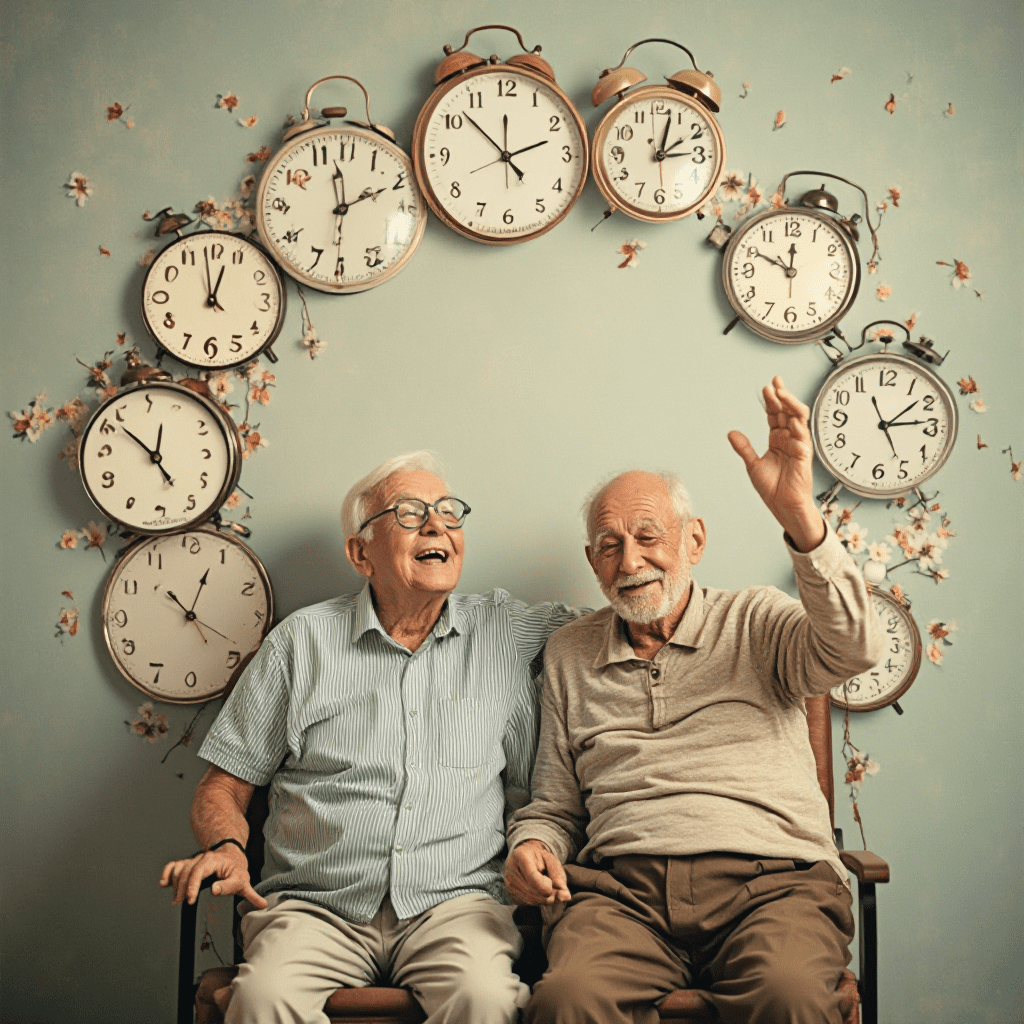
We tend to take a victory lap for the years that we live, more candles or just more years. So, what is the difference between lifespan and healthspan? Lifespan is just the number of years that we live. By contrast, healthspan is the number of years we live in good health, without a lingering chronic disease, disability, or a gradual decline in our everyday abilities.
Lifespan is about how long you live; healthspan is about how well you live it. If we mix the two in a single action without separating them, we may run around for years without protecting the experiences that shape those years.
Learning about these two concepts changes the way we think about planning, personal preferences and aging. It shifts the focus from living longer to living well: It emphasizes medical treatment, daily life, and community services that support quality of life rather than quantity.
From this viewpoint comes a new ambition to make independence, clarity, and joy last longer in our later life. Keep reading to learn how healthspan and lifespan are connected, why they are important at any age, and how you can start to make a difference to increase your healthspan and build a better year for every year.
1. What is Lifespan?
Biologically, lifespan means the length of time an organism lives, from birth to death, while the maximum observed lifespan is a population-based indicator for a species and is its expected lifespan, that is, life expectancy.
In humans, the longest recorded lifespan is approximately 122 years, and average life expectancy varies by location and time. Lifespan is more than just a ticking clock—it’s the result of a complex interplay between genes, biology, and lived experience.
The first question we can ask is “What is the difference between lifespan and healthspan?” By setting the stage, lifespan is the number of years we live, while healthspan is a measure of how we live those years.
Genetics are a determining factor in the ceiling. Some mutations that affect DNA repair, inflammation and metabolic efficiency can make some individuals more likely to live longer. However, the environment and behavior influence how close we can get to that ceiling.
Think of identical twins raised in the same family and environment, but separated in adulthood and placed in one of two environments: A city with a high density of foot traffic and limited pollution, where social bonding is stronger, and a city with more pollution, limited access to fresh food, and high-density traffic.
Different hands, same genetic deck — which could translate to different lifespans. Here, health optimization strategies, such as sleep, nutrition, physical activity and preventive care, can close this gap between what is possible and what is achieved.
These differences are highlighted by statistics. The average life expectancy worldwide is in the low to mid-70s; some nations have life expectancies in the mid-80s, and some are below 65 due to a lack of healthcare services, conflict, or infectious diseases.
There is a difference in life expectancy between women and men, with women living several years longer than men in most areas. But even for the same city, income, education and environmental factors at the neighborhood level can lead to DIEs of 10 years or more – a testament to the fact that the average conceals real differences.
Understanding lifespan is important because it lays the groundwork for the aging process. However, a longer time frame does not guarantee a happy old age. Public health has made strides over the past century, extending the average life expectancy by decades through improvements in vaccination, clean water, safe roads, etc., but now the challenge is to make those years lived well.
It’s here that Healthspan steps in and fosters better choices for the health optimization of everyday life, so that added years are lived to the full.
2. What is Healthspan?
Healthspan refers to years lived without disability, capable of moving freely, thinking clearly and living independently, as opposed to lifespan, which is a chronological count of years lived. Someone could live to be 90 and another to be 80—and if one of them spent the final 10 years suffering from debilitating diseases, while the other was active and engaged, their healthspans are very different. In a nutshell, lifespan is the quantity of years; healthspan is the quality of those years.
Healthspan is not just about survival; it’s about function. Questions it asks: How are you living? Are you able to walk up and down stairs without hurting yourself, remember names, enjoy meals, sleep well and enjoy the relationships and routines that make life meaningful? This approach to aging is not a death sentence, but rather a lifestyle change that can help protect the body’s systems and delay disability.
Aging well is usually, not always, unheroic. Consider the 78-year-old who continues to garden because years of strength training enabled her to retain leg power and balance, or the retired teacher who plays piano every day to keep her dexterity and agility sharp and active.
Those small habits — such as a 20-minute stroll after supper, protein at every meal to build muscle, regular eye and hearing screening — add up over time. All of these practices contribute to maintaining mobility, preventing falls, improving memory, and social engagement, key components of a longer healthspan.
Health in old age is about preparing for the future. Each healthspan deposit you make, from a preventive checkup to a vaccination, a flexibility session or a mindful meal, is a little like a deposit in your healthspan bank. Along with stress management, meaningful relationships and purposeful activities, exercise is the most reliable investment. It is important to think about healthspan from a very young age—from birth to very old age—that every added year counts.
3. Factors Influencing Healthspan
When day-to-day activities foster the body’s resilience, healthspan is increased. The building blocks—namely nourishing food, exercise, restful sleep and avoidance of harmful substances—establish a platform. Consider meals as “maintenance opportunities,” and focus on eating a variety of colorful plants, good protein (especially in the morning), omega-3s, and fiber to fuel muscles, metabolism, and the microbiome.
Combine this with layered physical activity – strength and power training to maintain muscle and reaction time, low intensity ‘movement snacks’ to minimise sitting and balance training to prevent falling. Small, consistent actions (such as a 10-minute kettlebell workout or a walk after meals) add up to significant benefits for active aging.
Other levers are important, too, but they’re not as visible. Maintaining the health of the ears, eyes, and mouth, and keeping your sleep and eating times aligned with daylight to support circadian rhythms, all help to reduce cognitive load and social withdrawal.
Making it safer and easier to function throughout the day is a subtle way to reduce risk and is part of periodic “environmental audits” that involve decluttering, better lighting, adding a standing desk or any other way to make an environment easier to function in. These decisions do not commit to achieving the best longevity record; they are about maintaining capacity for decades to make the community more livable and engaging.
Mental health is an essential component of a healthy life expectancy. Purpose, optimism, and emotional control are protective against chronic stress, which in turn leads to increased biological wear. Breathwork, mindfulness, or a gratitude journal can calm down the stress response system, as can creative activities and learning new skills that foster cognitive reserve, such as gardening (with planning), learning to play a musical instrument, or taking a language class.
All of this is driven by sleep quality; focusing on sleep windows, wind-down practices, and the restorative power of sleep will deliver benefits such as improved mood, memory, and metabolic health, often not replicable with medication.
Last, but not least, social networks are a healthspan indicator. Family, close friends, and strong ties provide support; weak ties (neighbors, people at the club, coffee shop workers) provide frequent micro-touches that help prevent loneliness and hone the mind. Facilitate and/or create “third places” (community gardens, walking groups, makerspaces, faith communities) where participation is simple and regular.
Intergenerational activities, volunteering and meals together strengthen feelings of belonging and accountability, promoting the maintenance of healthy behaviours. To put it simply: community is infrastructure for long-term health, not a nice-to-have.
4. Practical tips for improving healthspan
So, if you’ve ever wondered, What is the difference between lifespan and healthspan? Then the easiest answer is that healthspan is the quality of the years that you live — and you can affect it starting today. Start with an activity that fits your lifestyle: aim for 150 minutes of moderate physical activity per week, but don’t overlook “micro-workouts.” Take 2 flights of stairs an hour, or pretend to be a farmer and carry groceries in a purposeful gait, or do 10 squats while the coffee is brewing.
Do two strength-training sessions each week to maintain muscle and bone health; incorporate balance exercises (single-leg stands while brushing teeth, heel-to-toe walks in the hallway) to reduce the risk of falling. Make sleep a training block – set a regular bedtime, get light exposure first thing in the morning, and set aside 30 minutes for a digital wind-down to increase energy, metabolism, and mood.
Eat for a long, healthy life; think about what to add rather than what not to add. To support a diverse gut microbiome, build plates around lean protein (1.0-1.2 g/kg/day for most adults, more for active and older adults), colorful produce, and high-fiber staples such as beans, oats, and chia.
Replace “ultra-convenience” foods with whole foods alternatives: chips with roasted chickpeas, sweetened parfaits with Greek yogurt and berries. Incorporate 2 servings of seafood high in omega-3 fatty acids each week; use herbs and spices; adjust seasoning to taste to minimize salt; and drink water or unsweetened tea. Simple and effective habit: Start with fibre and protein at breakfast to maintain blood sugar levels and avoid afternoon hunger.
Your healthspan safety net is preventive care. Stay up to date with immunizations and have age-appropriate screening (blood pressure, lipids, A1C, colorectal, breast, cervical, skin, vision and hearing) and view dental cleanings as systematic health exams — oral inflammation is linked to heart and metabolic health.
Keep an individual health monitoring tool – such as a blood pressure cuff, a step counter, and regular lab work- and review it with a clinician to identify trends early. Review medications and supplements yearly to reduce interactions, and establish a periodic calendar reminder for drug self-checks (skin moles/breast awareness/testicular awareness) and refill management.
Last but not least, design the environment so the healthy option is the obvious choice. Have a resistance band near the TV for pull-apart exercises while watching shows, place a fruit bowl at a comfortable height for easy access, and make walking meetings or after-dinner strolls a regular part of your routine.
Stack it: Have vitamin D in the morning with coffee, stretch after teeth brushing, or set up a veggie tray immediately after grocery shopping. The little things add up — the habits that you do again and again become a reality that helps you to look after your future self.
5. Why Your Diet Matters as You Age. 8. How Your Diet Affects Your Appearance
The process of ageing is frequently depicted with a broad brush – as if it is inevitable that we decline, become frail, and can no longer learn and grow. These myths persist today despite evidence to the contrary.
For instance, muscle mass and strength can increase, balance can improve, and fall risk can be lowered in months for adults in their 70s and 80s, with progressive resistance training. Similarly, the notion of a ‘metabolism slowdown’ after the age of 50 is a myth; while resting metabolism does decrease slightly with age, this is more likely due to changes in activity, sleep, and muscle mass rather than age.
Cognitive stereotypes should be treated on par. While processing speed slows with age, the brain’s ability to adapt, called neuroplasticity, continues. For older adults, learning a new language, an instrument, or a digital capability can lead to gains comparable to those in younger learners in memory or executive function.
Social myths do not apply either: that loneliness is a “normal” part of aging is not true, but that loneliness is a modifiable risk factor for cardiovascular disease and cognitive decline is true. Volunteering, joining local clubs, participating in intergenerational programs, and making a difference in the community are health strategies, not hobbies.
Healthy ageing practices are based on data, not dogma. Frequent physical activity (resistance and balance exercises), healthy diet (nutrient-rich foods), proper protein intake, proper sleep and stress management are associated with reduced risk of chronic disease and maintenance of function.
But preventive care is important, as well: vaccinations limit the risk of hospitalization, vision and hearing exams can prevent downstream accidents and isolation, and medication reviews can reduce side-effect burdens.
Structured aerobic training can also lead to meaningful improvements in even the most important fitness measure, VO2 max, a strong predictor of longevity, a testament to the fact that fitness is open to change at any age.
Challenge the cultural narrative about withdrawing from the world as we grow older. Many people achieve their greatest creative and professional accomplishments later in life, open businesses at 60, or are first-time marathoners at 70. Change I can’t, to How can I safely and sustainably? Ask whether a barrier is biological, behavioral, or stereotypical. Don’t believe myths without evidence and don’t use them up without consistent, personalized habits!
6. Student Data Management Systems and Their Impact on Student Learning
From early detection to habit building, technology is increasingly turning the spotlight from ‘longer’ to ‘living better’ every day. Now, smart devices can take complex health information—heart rhythms, sleep patterns, oxygen levels—and provide simple prompts that encourage users to make better decisions.
This change redefines the issue, “What is the difference between lifespan and healthspan?” Technology makes it easier to understand: lifespan is the length of your life, healthspan is the quality of your life — and digital technologies are increasingly designed to maintain mobility, cognition, and vitality throughout the years.
Wearable health devices and wellness apps are the frontrunners. In addition to steps and heart rate, next‐generation wearables can track heart rate for irregular beats, detect micro‐movements for fall risk alerts, and measure recovery to guide patients on whether to strengthen or rest.
Other platforms link wearables with AI “coaches” to convert data into actionable micro-goals, such as enhancing sleep consistency or walking rhythm for improved balance. Even hearing aids are health devices, streaming sound, screening for early hearing loss – a modifiable dementia risk – and synced with apps that promote daily cognitive exercise.
Telemedicine has also gone from convenience to lifeline, particularly for the elderly. Virtual visits eliminate travel barriers, allow for quicker follow‑ups following hospitalization, and fit easily within a remote monitoring framework (such as connected blood pressure cuffs or glucose readers that alert clinicians before issues arise).
Community telehealth kiosks in libraries or senior centers, combined with on-demand interpreters and large-print interfaces, are increasing access for individuals who lack mobility, transportation, or technical ability.
Personalization may be the most promising frontier. Medication reminder systems plugged into smart pillboxes, fall-detection wearable systems that message caregivers at home, and home sensors that detect changes from normal (e.g., bathroom trips at night, gait speed) can act as a safety net, helping keep people independent.
Together with privacy by design and fair access, these tools can help make data an early intervention, extending the healthy, active, independent span of life. To sum up, technology is increasingly a viable connector between longevity and quality, helping to turn extra years into better years. The work was undertaken at the conclusion of the school year, which is referred to as Years in Your Life — and Life in Your Years.
So, the question of “What is the difference between lifespan and healthspan?” boils down to time and quality. Lifespan is the number of years we live, and healthspan is the number of years we live well. One counts years on a calendar, the other counts years of vitality, years without disabling disease, chronic pain and preventable decline.
Knowing this distinction puts success in a new perspective: making candles on the cake isn’t just about the number of years added to the end; it’s about adding candles that are active, meaningful, and independent.
Focusing on healthspan is an investment in both a person and lifestyle. Commit to making small, repeated movements, eating nutrient-rich foods, sleeping well, managing stress, spending quality time with others, and getting preventive health services — and multiply them over time.
Make every decision an investment in a better future: Make an appointment, go for a walk, make a pretty meal, call a friend, learn a new skill. With today’s elevated healthspan, not only do you extend life, but you elevate it.
Find out what distinguishes lifespan from healthspan with these FAQs.
1. What is lifespan?
Lifespan is the length of time from birth to death for an individual.
2. What is healthspan?
Healthspan is the time an individual spends without developing serious disease or chronic conditions.
3. What is the difference between lifespan and healthspan?
Lifespan refers to the number of years lived, while healthspan concerns the quality of those years and includes physical and mental health.
4. Is there a person who lives long but doesn’t feel healthy for long?
Yes, it is possible to live for many years with a lot of health problems, and thus have a relatively short healthspan.
What factors could affect healthspan?
Mental health, diet, exercise and lifestyle choices all play a role in determining a person’s healthspan.
Can lifespan and healthspan be extended?
Yes, healthy lifestyle choices like regular exercise, a nutritious diet, and stress management can help improve both.
8. What are the steps to take in order to enhance my healthspan?
Prioritize exercise, diet, sleep and mental health for improved healthspan.
9. Do you have tools to measure lifespan and healthspan?
There are a number of tools and assessments available to measure lifespan and healthspan, such as health assessments, fitness trackers, and health questionnaires.
What is the difference between lifespan and healthspan?
longevity, quality of life, aging well, health optimization, lifestyle changes, exercise, nutrition, preventive health, mental well-being, active aging,
Health enthusiasts, seniors, caregivers, wellness advocates, general public,







Leave A Comment
You must be logged in to post a comment.