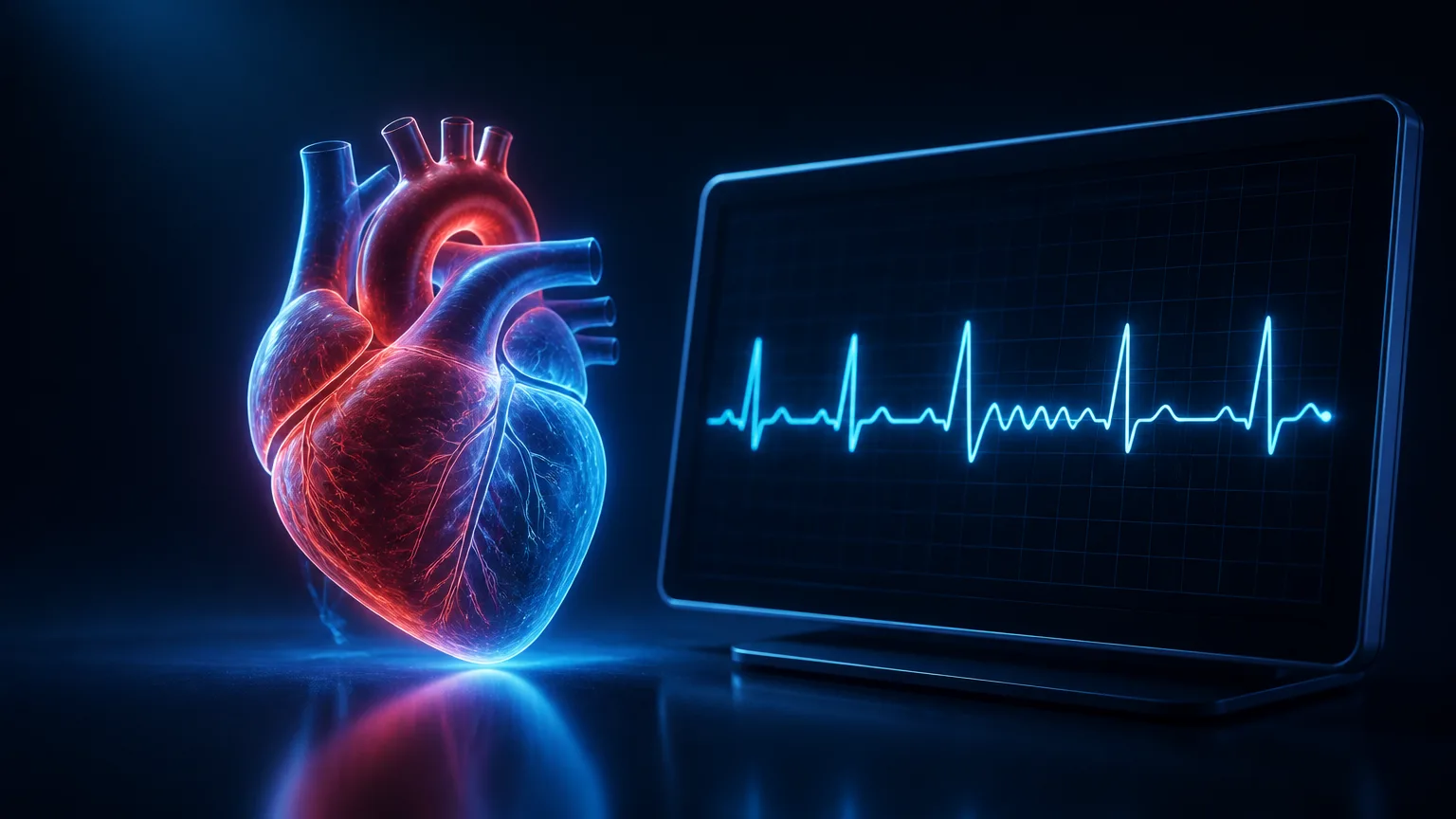
Heart Arrhythmia Treatment: Options Evaluation and Safe Lifestyle Support
Heart Arrhythmia Treatment: Options Evaluation and Safe Lifestyle Support
Heart Arrhythmia Treatment: Options Evaluation and Safe Lifestyle Support
Heart Arrhythmia Treatment: Fast Facts
Heart arrhythmias are variations of the normal heart rhythm. The heart may beat too fast, too slowly, or irregularly. Some changes in rhythm cause few or no symptoms, whereas others may cause palpitations, dizziness, shortness of breath, chest discomfort, or fainting. There are various causes of arrhythmias, and they can be serious or not. Treatment depends on the exact rhythm, symptoms, other health conditions, and overall health.
Evaluation may include a medical history, physical examination, heart-rhythm monitoring, and other tests as needed. Depending on the findings, treatment may range from observation to medication, cardioversion, a catheter-based procedure, or an implanted device such as a pacemaker or defibrillator. Supportive habits, such as following the treatment plan, not smoking, and managing personal triggers, may also help.
Severe symptoms, including chest pain, trouble breathing, fainting, or sudden serious weakness, require emergency care. Complementary approaches like homeopathy, supplements, or yoga should be discussed with a healthcare professional and not be used to delay recommended care. This article is educational and does not substitute for individual medical advice.
What Is a Heart Arrhythmia?
A heart arrhythmia is a change in the heart’s usual rhythm. The heart may beat too quickly, too slowly, or in an irregular pattern. Some arrhythmias cause no noticeable symptoms and may be found during a routine evaluation. Others can affect how well the heart pumps blood and may require treatment.
Common symptoms include:
- Palpitations, or a feeling of fluttering, pounding, or skipped beats
- Dizziness or lightheadedness
- Shortness of breath
- Chest discomfort
- Fainting or feeling close to fainting
Arrhythmias can vary in their patterns, causes, and potential effects. A rhythm that is harmless to one person may require closer monitoring for another, particularly if other heart or health conditions are involved. Therefore, treatment for irregular heartbeats is not uniform for everyone.
Clinicians evaluate the specific rhythm, associated symptoms, frequency of occurrences, and the individual’s overall health before suggesting monitoring, medication, a procedure, or another treatment approach. While complementary practices may enhance general well-being, they should not replace a professional evaluation or recommended medical treatment.
When an Irregular Heartbeat Needs Emergency Care
Some irregular heartbeats are mild or cause no symptoms, but certain warning signs may indicate a potentially dangerous rhythm or another serious heart problem. Seek emergency medical help for an irregular heartbeat accompanied by:
- Chest pain or significant chest discomfort
- Severe trouble breathing or sudden shortness of breath
- Fainting or loss of consciousness
- Severe dizziness, confusion, or sudden serious weakness
- Symptoms that are sudden, intense, or rapidly getting worse
Do not drive yourself if you are experiencing severe symptoms. Contact emergency services and follow their instructions. If someone with a known rhythm problem becomes unresponsive or appears seriously ill, seek emergency help immediately.
Even when symptoms are less severe, recurring palpitations, lightheadedness, or shortness of breath should be discussed with a healthcare professional. Keeping track of when symptoms occur and what you were doing at the time may help with evaluation, but it should not delay urgent care. Homeopathy, supplements, yoga, and other complementary approaches should not be used to manage severe symptoms or postpone recommended medical treatment.
How Clinicians Assess Arrhythmias
When a clinician suggests treatment for a heart arrhythmia, he or she first works to identify the rhythm and how it affects you. The evaluation usually starts with questions about your symptoms, including when they began, how long they last, how often they occur, and whether they occur with activity or at rest. Your medical history, medications, supplements, and other health conditions may also be relevant.
During a physical examination, your doctor may check your pulse and blood pressure and listen to your heart and lungs. An electrocardiogram (ECG or EKG) is a heart rhythm test that records the heart’s electrical activity and can detect an arrhythmia if it occurs during the visit.
Some rhythm changes may be transient; longer monitoring may be recommended. A wearable monitor can record the heart’s rhythm during daily activities and may help to correlate symptoms with rhythm changes. Depending on the findings, other tests, such as blood tests or cardiac imaging, may be appropriate.
This assessment informs the plan of care. Not only to confirm the presence of an irregular rhythm, but to understand the possible cause, severity, and effect on the heart.
Arrhythmia Treatment Options for Your Heart
Treatment depends on the type of arrhythmia, its symptoms, possible causes, and your general health. Some arrhythmias are benign and may only require observation. If the rhythm isn’t affecting how the heart functions, a clinician might recommend routine follow-up and monitoring rather than immediate treatment.
Medicines may be used to help control the heart’s rhythm or rate or to reduce the risk of complications from certain arrhythmias. Follow the directions. Talk to your doctor about any side effects or questions before making any changes.
Sometimes a procedure called cardioversion is used to restore a more normal rhythm. This may be medication or controlled electrical treatment, depending on the rhythm and the person’s circumstances. A catheter procedure may also be suggested. In this treatment, the clinician uses a thin tube to access the heart and treat the area causing the abnormal electrical signals.
If some slow rhythms occur, a pacemaker may be needed to help maintain an appropriate heart rate. For some people at risk of dangerous rhythms, an implanted defibrillator might be considered. This can detect specific rhythm problems and provide treatment when needed.
These procedures and devices involve potential risks and are not suitable for everyone. Your healthcare professional can discuss the benefits, risks, and alternatives with you based on your evaluation.
Medical Treatment and Lifestyle Support
Healthy habits can help support your heart health and help you manage an arrhythmia, but they are not a substitute for treatment recommended by a healthcare professional. Take your medicines as prescribed, attend all follow-up visits, and do not stop or change treatment without first talking to your doctor. Report any new symptoms, side effects, or changes in frequency of your symptoms to your clinician.
Some people find that their palpitations or other symptoms are more likely to occur when they recognize certain factors. These can be certain foods, drinks, medications, supplements, stress, or lack of sleep. Note down any patterns you notice and speak with your healthcare professional before making any major changes. One person’s trigger may not work for another person.
Steer clear of tobacco. If quitting is hard, seek help. Other elements of keeping your heart healthy overall may include regular physical activity appropriate for your condition, eating a nutritious diet, getting enough sleep, and managing other health conditions. If symptoms are precipitated by exercise, ask your doctor what level of activity is okay.
These are supportive care steps, not a proven treatment for all arrhythmias. They are not able to reliably fix an abnormal rhythm or replace medicines, procedures, or implanted devices when those are recommended.
Homeopathy, Supplements, Yoga, and Other Complementary Methods
Others turn to homeopathy, supplements, yoga, breathing exercises, meditation, or other complementary approaches to cope with an arrhythmia. While these practices may support overall health, stress management, or healthy routines, they have not been shown to be an alternative to evaluation or recommended treatment for an abnormal heart rhythm.
Homeopathic products and supplements can have different effects on people. Some supplements can interact with prescription medications or affect things like your heart rate, blood pressure, or other health factors. Tell your health care professional about all of your medications, including prescription and over-the-counter medicines, herbal products, or vitamins. Don’t assume a product is safe just because it’s labeled natural.
Gentle yoga or relaxation practices may be appropriate for some people, but the type and intensity should be tailored to your health and symptoms. Check with your clinician on what activities are safe, especially if symptoms are triggered by exercise, breathwork, dizziness, or palpitations.
Do not treat severe symptoms with complementary approaches, substitute a prescribed medicine, or delay monitoring, procedures, or device treatment. Discuss these choices first with your healthcare professional and get emergency help if you have chest pain, severe trouble breathing, fainting, confusion, or sudden serious weakness.
Selecting a Safe Arrhythmia Treatment Plan
Safe heart arrhythmia treatment begins with learning about your specific rhythm and discussing your symptoms, health history, medications, and overall health. The evaluation may suggest that observation and follow-up are appropriate or that treatment is necessary.
Treatment options may include medication, cardioversion, a catheter procedure, a pacemaker, or an implanted defibrillator. There is no single right way for everyone, and each option should be discussed with a health care professional.
Supportive habits can supplement medical treatment. Your treatment plan. Keep all appointments your clinician recommends. Do not use tobacco. Ask your clinician if there are any personal triggers or complementary practices you should be aware of.
Some people may find homeopathy, supplements, yoga, and other approaches useful for general well-being, but they should not be used in place of evaluation, prescribed treatment, or recommended procedures and devices. Do not stop taking your medicines or delay seeking care without first consulting your doctor.
Call 911 for emergency help if you have an irregular heartbeat with chest pain, severe difficulty breathing, fainting, confusion, sudden severe weakness, or if symptoms feel intense or are getting worse. If your symptoms last or come back, work with a healthcare professional to develop a plan that’s right for you.











Leave A Comment
You must be logged in to post a comment.