
Can Dogs Help Us Early Diagnose Cancer?
Can Dogs Help Us Early Diagnose Cancer?
Can Dogs Help Us Early Diagnose Cancer?
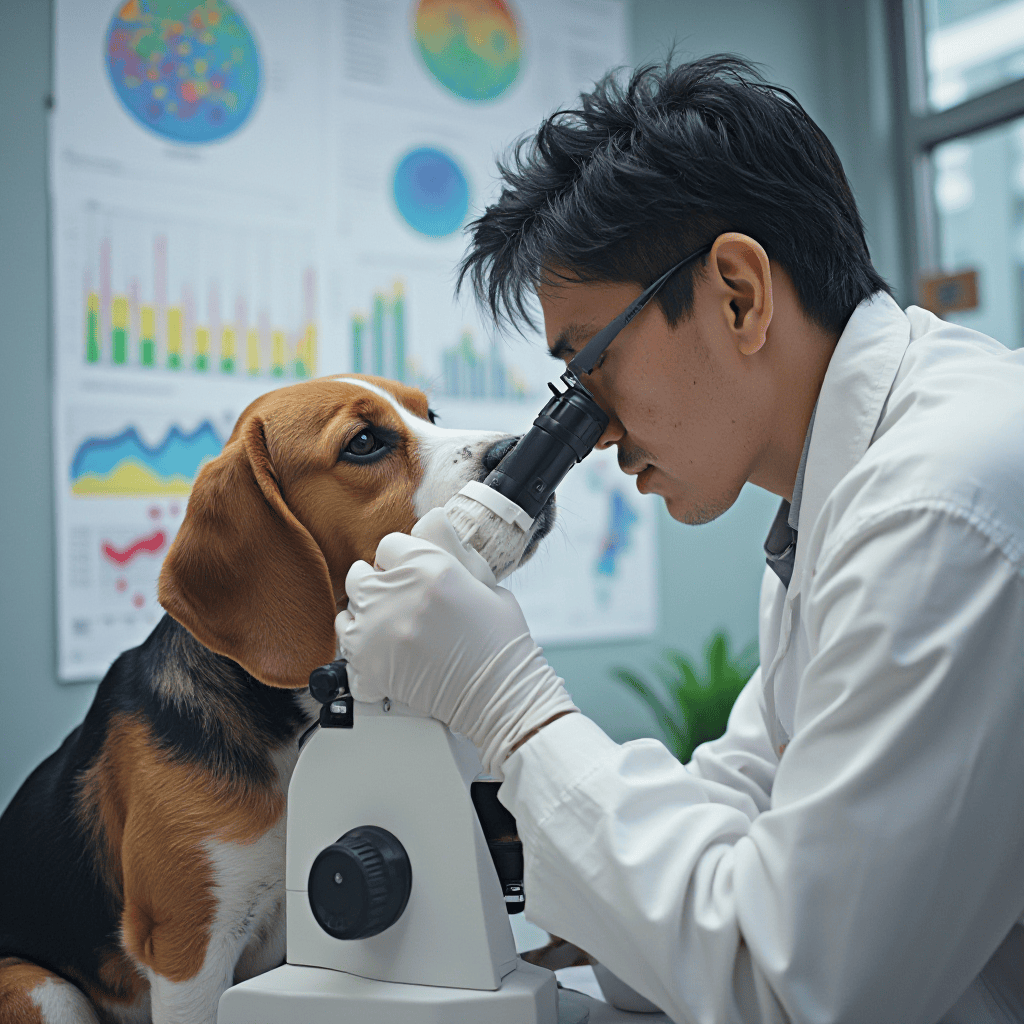
When I first heard that dogs might be able to help detect cancer, my image was of a beagle in a lab coat, leafing through a medical journal under the flickering fluorescent lights of an exam room.
Aren’t they cute? But the reality is cuter and more revolutionary than I can conceive. Hold on tight for a thrilling ride into the world of dog powers and their role in cancer detection!
How Do Dogs Smell Cancer? The Science Unleashed
Dogs have an amazing sense of smell. It is estimated that their sense of smell is 10,000 to 100,000 better than ours . Our furry companions have an amazing sense of smell, which is important in understanding how they may help us in diagnosing diseases like cancer. They can pick up even the faintest of odors.
The Nose Knows Studies have been done by researchers showing that trained dogs can identify cancerous cells from breath, urine and even tissues. The secret is their ability to sniff out volatile organic compounds (VOCs) exuded by cancer cells.
These compounds are different to healthy cells, making them the perfect target for our sniffy friends. One study in Nature, for example, showed that dogs could sniff the breath of lung cancer patients with remarkable accuracy. Man’s best friend, indeed!
A Woof of Wisdom: The Types of Cancer Canines Can Detect
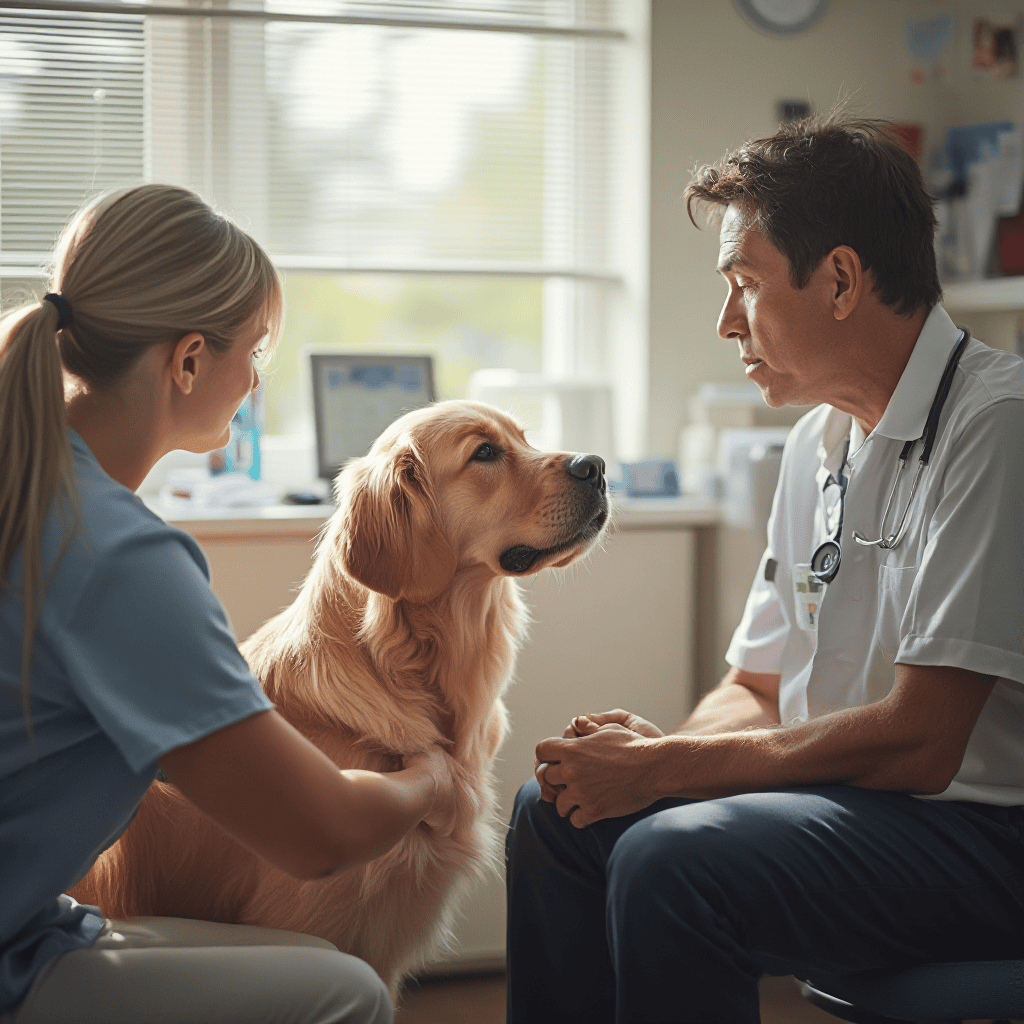
While most people think of golden retrievers as cuddly companions, their talents extend far beyond fetching balls. Dogs have been trained to sniff out various types of cancer, including:
| Type of Cancer | Detection Method | Detection Rate |
|---|---|---|
| Lung Cancer | Breath samples | 97% accuracy (varies) |
| Breast Cancer | Breath and tissue | 88% accuracy |
| Bladder Cancer | Urine analysis | 99% accuracy |
| Colorectal Cancer | Breath and stool | 90% accuracy |
| Prostate Cancer | Urine analysis | 97% accuracy |
The above table summarizes some notable findings and highlights how dogs can be utilized in cancer diagnosis. With dogs like these, who needs high-tech imaging machines, right?
Real-Life Cases: Pawsitive Confirmations
There are many stories of dog allies tipping the balance in the early diagnosis of cancer. Like the touching story I read about Daisy, the golden retriever who helped her owner discover breast cancer growth just by constantly sniffing and nuzzling her owner’s chest area.
A trip to the doctor confirmed the tumor and treatment started early. These are not just stories, there are many stories that prove the diagnostic power of dogs!
Cancer Dog Detection Programs
There are many organizations that have been set up to train dogs to detect cancer. The American Humane Society and Canines for Cure are among the programs that train dogs to provide early detection services in clinical setting.
A lot of these programs take in rescue or shelter dogs, giving them a second chance and making amazing contributions to medical science.
The Training Process: Teaching an Old Dog New Tricks
Training a dog to detect cancer isn’t as simple as waving a treat and hoping for the best. It involves a multi-step process:
- Selection of the Dog: Not every dog is suitable. Trainers typically look for breeds with a strong sense of smell and a good temperament (think Labrador Retrievers and Belgian Malinois).
- Basic Obedience Training: Before diving into cancer detection, the pooch needs to learn basic commands—after all, nobody wants a cancer-sniffing dog running wild during a serious diagnosis!
- Exposure to Samples: Dogs are introduced to various samples, such as breath or urine from cancer patients, learning to associate specific scents with positive reinforcements.
- Field Tests: Once training is underway, it’s time for live tests where dogs sniff out samples in real-world situations.
- Continuous Training: Just like humans, dogs need ongoing training to keep those olfactory skills sharp.
These programs not only sharpen the dog’s skills but create a powerful partnership between man and dog.
The Human Factor: The Importance of a Team
As much as I adore dogs, the sad reality is that they can’t diagnose cancer on their own. Human partners play a vital role in this exciting collaboration. Here’s how we fit into the puzzle:
- Understanding Canine Signals: It’s crucial for human handlers to interpret correctly what their dogs are indicating. This requires extensive training and a deep bond between the dog and handler.
- Integrating with Medical Staff: Working closely with doctors and medical professionals ensures that any alerts from the dogs are taken seriously and investigated properly.
- Promoting Awareness: Humans must advocate for more research and integration of dogs in medical environments, paving the way for advanced canine-assisted cancer detection.
Breaking Down Barriers: Challenges and Limitations
While the results are promising, using dogs in cancer detection is not without challenges. Here are a few hurdles that the field faces:
- Standardization of Methodology: With varying training programs and approaches, consistency is key. It’s essential to have standardized training protocols to ensure reliable outcomes.
- Scientific Validation: More rigorous scientific studies are needed to globally recognize canine cancer detection as a standard practice.
- Handler Training: Not only do we need to train the dogs, but handlers also need specialized training to interpret results accurately.
- Cost and Accessibility: Integrating canine detection into current medical practices may come with upfront costs, creating barriers to widespread adoption.
Searching for a Cure: The Future of Dogs in Cancer Detection
The future looks bright! As research expands, we’re finding potential uses for this unique partnership. Of course, it’s not only for cancer detection; scientists are researching how dogs can detect other life-threatening diseases such as diabetes and Parkinson’s disease. These furry companions are irreplaceable allies in healthcare.
In addition, technological advances such as electronic noses, which mimic the sense of smell of dogs, could work in tandem with these incredible creatures, opening up wide-ranging opportunities for cancer research.
Get Out of Your Comfort Zone! 🌠
Next time you see a dog, think of the amazing possibilities they bring other than being companion. While they may not be taking over your oncologist’s job (not yet), dogs are leading the way as partners in medical detection, leading to revolutionary healthcare advancements.
If you’re a dog lover like me, maybe this will inspire you to look into dog training or even volunteer for local groups that deal with therapy dogs…who knows what amazing adventures await!
Thoughts to ponder
I’ve always been a big fan of the human-animal connection, and this reminded me of the possibilities with dogs in cancer diagnosis. These amazing creatures are not only our companions, but they are also now on the cutting edge of medicine, armed only with their noses and the incredible bond we have with them.
Never underestimate the true power of a dog’s love and ability! So here’s a fun thought: what if we opened our minds to all that these furry detectives could teach us? If my golden retriever can smell a crumb of cheese across the room, just think of the possibilities for cancer detection!” Next time, let’s acknowledge our canine companions as the unsung heroes in healthcare.
Well, what do you think? Are you inspired to learn more about detecting cancer in dogs, or maybe you want to adopt a pup that could save lives one day? Let’s celebrate the marvels of our canine friends together in the comments below! 🐾✨
Feel free to go deeper into this topic or explore neighboring areas that you find interesting! See you soon for more paw-some adventures! 🐕
References:












Leave A Comment
You must be logged in to post a comment.