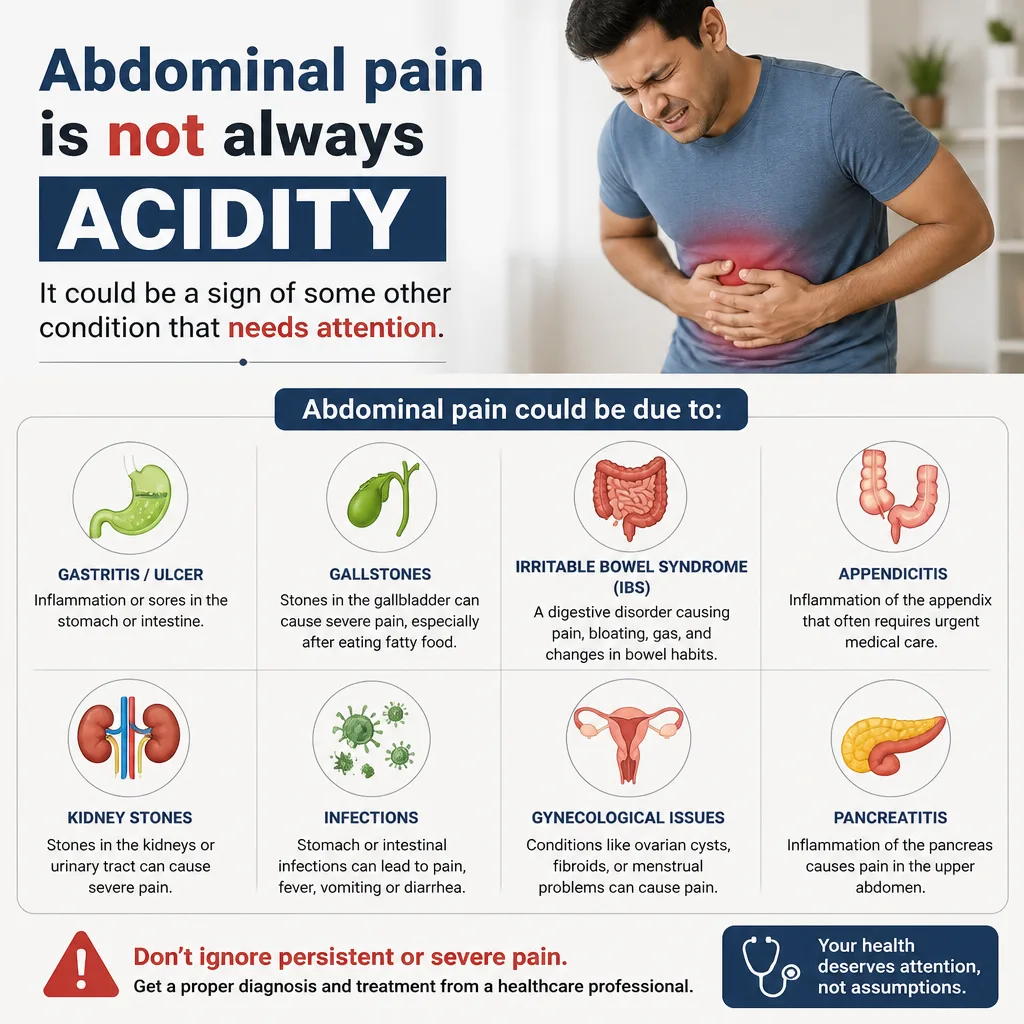
Is Your Abdominal Pain Really Acidity? Discover What It Means
Is Your Abdominal Pain Really Acidity? Discover What It Means
Is Your Abdominal Pain Really Acidity? Discover What It Means
A sharp, intense pain in the upper abdomen, often mistaken for mere acidity, could be indicative of something far more serious: pancreatitis. “It is crucial to know when such pain becomes severe, especially if it radiates to the back or is accompanied by nausea, vomiting, fever, rapid heartbeat, or breathing difficulty,” says Dr. Pramod Garg, a prominent gastroenterologist at AIIMS, New Delhi.
This distinction is important because the severity of acute pancreatitis may be as mild as an illness that may involve more than one organ system but may also be life-threatening. Pancreatitis isn’t your typical stomachache that causes bloating or burning. It’s an inflammation of the pancreas that can cause a systemic inflammatory response.
The pancreas is a small but important organ behind the stomach that plays a critical role in digestion and blood glucose regulation. It produces digestive enzymes that usually help break down food. But things go wrong when these enzymes are activated prematurely in the pancreas, triggering a cascade of destructive effects.
“The incidence of pancreatitis in India has risen from 229,614 cases in 1990 to an estimated 523,074 cases in 2021,” says Dr. Garg. High triglycerides, certain medications, gallstones, and too much alcohol can all trigger an episode.
It is important to know the underlying cause, as it will influence treatment options and can help prevent its recurrence in the future. In severe cases, pancreatitis can affect other organs such as the lungs and kidneys.
The inflammatory processes triggered in the pancreas may lead to systemic complications, including an impaired intestinal barrier and potential disruptions in the gut microbiome, reflecting the interdependence of bodily systems.
Diagnosis of acute pancreatitis is usually based on the clinical presentation, laboratory tests, and imaging studies. Ultrasound is highly sensitive for detecting gallstones, and CT is important for managing complications. People should not attempt to distinguish between regular indigestion and acute pancreatitis at home, as the implications can be dire.
The management of acute pancreatitis has evolved, emphasizing the role of guided fluid therapy, pain management, nutritional support, and careful monitoring for possible organ dysfunction. Recent changes in treatment guidelines also favor early oral feeding when appropriate.
Severe cases may even need intensive care. During the course of the disease, complications such as secondary bacterial infections may occur, which require antibiotics and possible surgical interventions.
Recovery from pancreatitis is not straightforward. Long-term sequelae, including diabetes, may occur in about one-third of patients, highlighting the importance of long-term follow-up and surveillance. Prevention depends on the cause: those with alcohol-related pancreatitis need to stop drinking, and those with gallstones may need surgery to remove the gallbladder.
As the conversation around pancreatitis and its management continues, especially in the run-up to the World Congress of Gastroenterology 2026, Dr. Garg stresses the importance of seeing a doctor immediately when abdominal pain first occurs.
A seemingly ordinary digestive problem can often be a sign of something more serious and potentially dangerous, particularly if it originates in the pancreas.
Causes of Abdominal Pain and Acidity
Many people read their symptoms wrong. Most people think it is simply acidity, but it is not. Abdominal pain is the most common complaint. Acidity is caused mainly by excess stomach acid and is felt as a burning sensation in the chest or throat; abdominal pain, however, can be of any kind—cramping, sharp, or dull—indicating a variety of gastrointestinal disorders.
Note that not all pain is digestive; stress, anxiety, or even muscle strain can cause the same symptoms, making diagnosis difficult.
Knowing the accompanying signs can also provide important clues. Symptoms like nausea, bloating, and feeling full are signs of conditions such as gastritis or a peptic ulcer. Constant pain that radiates to the back can be a sign of pancreatitis.
Keeping a detailed symptom diary that includes timing, intensity, and nature of the pain will make it easier for individuals to communicate with healthcare professionals and will lead to a more accurate diagnosis and treatment. It is not only about relief that you have to understand the difference between abdominal pain and acidity; it is about the holistic awareness of your body’s signals.
Common Symptoms of Acid Problems
Acid-related problems have a variety of symptoms that can easily be confused with other gastrointestinal problems. Heartburn, a burning sensation in the chest that is often triggered by certain foods or by lying down after eating, is one of the most common signs. However, it is essential to keep in mind that this unpleasantness can also manifest as a chronic cough or a lump in the throat, leading many to overlook the root cause of their acidity problems.
Bloating and excess gas are also common symptoms in acid-related diseases. Diet is blamed for many people’s feelings, but they could be signs of an imbalance in stomach acidity. This imbalance can interfere with proper digestion and cause food to ferment in the stomach, resulting in feelings of discomfort. It is also important to remember that these symptoms can be a sign of acidity, and treating the root cause can greatly improve the quality of life.
Differentiating acid from other causes
Abdominal pain may be due to acidity or other causes, so it’s important to differentiate between the two. Acid reflux is usually described as a burning feeling, but it can also be just discomfort. The timing and other symptoms are clues. If your pain gets worse after eating or lying down, acidity could be the prime reason.
However, if the discomfort is more persistent and is accompanied by nausea, changes in bowel habits, or weight loss, it may indicate more serious problems, such as gallstones or pancreatitis.
Adding to the confusion, gastritis and peptic ulcers can mimic the symptoms of acidity but may need completely different treatment. To understand the nuances, you need to get under the skin of your lifestyle: stress levels, food choices, and even medication use can all impact the digestive battleground.
Keeping a symptom diary can help you recognize patterns, such as what you eat, when you lie down, or periods of high stress. This awareness can help you communicate your experiences more effectively to a healthcare professional and also enable you to take proactive steps toward relief and recovery.
How Your Diet Impacts Your Stomach
Diet is an important factor in stomach health and is often the key factor in many gastrointestinal problems. Fiber-rich foods such as whole grains, fruits, and vegetables aid digestion and maintain healthy bowel movements, thus preventing acidity and discomfort.
On the flip side, eating a diet high in processed foods, sugar, and unhealthy fats can cause inflammation and an imbalance of gut bacteria, which can make symptoms like bloating and heartburn worse.
And also, what you eat is as important as when and how you eat. Mindful eating—chewing food thoroughly and taking time to savor each bite—can go a long way toward easing digestion and reducing the risk of acid production.
Proper hydration can also help make the stomach even healthier. Water helps break down food and absorb nutrients. Diet and eating habits should be paid attention to, the digestive system strengthened, unnecessary discomfort avoided, and health improved.
Home Remedies for Acid Discomfort
There are a number of home remedies you can use to deal with the nagging discomfort of acidity without resorting to over-the-counter medications. The usual remedy is a cup of warm water with a teaspoon of honey and a dash of lemon juice.
This simple mix will help digestion and neutralize stomach acid, creating a soothing environment within. Plus, you can add soothing herbal teas, such as chamomile or ginger, which can provide not only relief but also the comfort of their anti-inflammatory properties.
If you are one for solid remedies, a handful of almonds may work wonders. They contain high levels of magnesium, which can help alkalize the stomach and counteract the effects of too much acid. Another unexpected ally is banana, which has natural antacid properties that can coat the stomach lining, offering fast relief from heartburn and acid discomfort.
And lastly, don’t discount the power of yogurt. Rich probiotic foods also help your gut health by restoring the balance of bacteria in your digestive system and helping you digest more effectively, which can cut down on acidity episodes. These easy fixes might not just relieve symptoms; they could also improve your overall well-being.
When to Seek Medical Advice
It may be very important to know when to see a healthcare professional to differentiate between simple acidity and a serious abdominal problem. If you have ongoing or severe pain that doesn’t respond to over-the-counter antacids, seek medical advice.
Other warning signs include fever, vomiting, or unexplained weight loss. These may be signs of an underlying condition that needs urgent attention.
If your symptoms interfere with daily life or are accompanied by changes in your bowel habits, do not hesitate to seek a physician’s advice. Remember that everybody is different and what may be a small inconvenience for one person can be a sign of a serious problem for another.
Visiting a healthcare provider early can help ease your worries and ensure that you receive the right treatment before any complications develop. It’s a step forward worth taking for your wellness.
Lifestyle Changes to Help Ease Symptoms
Making changes to your lifestyle can help reduce symptoms of acidity and general digestive discomfort. One of the most powerful changes is to reassess meal patterns. Eat small, frequent meals to help control acid production, rather than large, infrequent meals that can overwhelm the stomach.
It’s also important to pay attention to food combinations, as pairing lean proteins with fiber-rich fruits and veggies can improve digestion and reduce acid reflux, creating a healthier gut environment.
Incorporating stress-relief practices such as yoga or mindfulness meditation can also play a crucial role in acidity symptoms. Stress can also cause the stomach to produce more acid, which can worsen the discomfort. Practicing relaxation techniques daily helps calm the mind and bring the body’s digestive processes into harmony.
Lastly, drinking enough water, preferably at room temperature or warm, can help dilute stomach acid and provide a soothing effect that can help you manage the food you eat. This kind of lifestyle juggling can help to create a more balanced internal ecosystem and avoid the pains of acidity.
Pinpointing Your Abdominal Pain
The cause of abdominal pain can be as much of a puzzle to figure out as the diagnosis itself. Acidity is a common culprit, but other conditions can mimic such symptoms. For example, sharp pains in the upper abdomen may signal gallbladder problems, while dull, cramp-like sensations may be a sign of irritable bowel syndrome.
You need to listen to your body. Are the pains localized or radiating? Do they coincide with meals or activities? These nuances can give vital clues about where they’re from.
Also consider the emotional component of your gut health. Stress & anxiety can cause digestive discomfort and sometimes increase sensations that feel like acidity. By noting when your symptoms occur, you can uncover patterns related to stress triggers, moving your understanding beyond just physical discomfort.
Understanding your symptoms can help you cope with them better and decide when to see a doctor. Putting physical sensations in an emotional context. Your body usually whispers before it screams. Listening may be your first step to clarity & relief.
Homeopathic remedies for abdominal pain
In homeopathy, the treatment of abdominal pain is not simply about relieving symptoms but about finding the individual’s unique constitution. *Nux Vomica* and other remedies are often suggested for individuals who feel unwell from overindulgence or stress.
These remedies help alleviate symptoms while also helping rebalance the underlying cause. Belladonna, in contrast, is for sudden, cramping, throbbing pain, the kind that comes with a sudden flare-up of something like gastritis.
The really interesting thing about homeopathy is the emphasis on the mind-body connection. Remedies like *Arsenicum Album* go beyond treating physical symptoms and address the anxiety and restlessness that can come with digestive upset.
This holistic method allows patients to look at emotional factors that may be contributing to their pain, allowing for a comprehensive treatment strategy that goes beyond simply addressing acidity or irritation. This integrated approach helps people find ways to feel better that honor both their body and their mind.
Abdominal pain is not always acidity.
That burning, bloating, or discomfort could be indicative of indigestion, reflux, constipation, food intolerance, infection, or other conditions. Location, timing, severity, and associated symptoms can give important clues.
Don’t keep punishing yourself again and again without knowing why. Seek medical care immediately if you have severe or worsening pain, persistent vomiting, blood in your stool or vomit, fever, fainting, or a rigid or swollen abdomen.
While homeopathy and other natural approaches may be part of a personal wellness discussion, they should not replace a proper medical evaluation—especially when symptoms are new, persistent, or severe.
Practical takeaway: Note when the pain starts, what you ate, where it occurs, and any other symptoms. Share this information with a qualified health care professional.
Read more to find out what abdominal pain might mean and when it deserves a closer look.












Leave A Comment
You must be logged in to post a comment.