
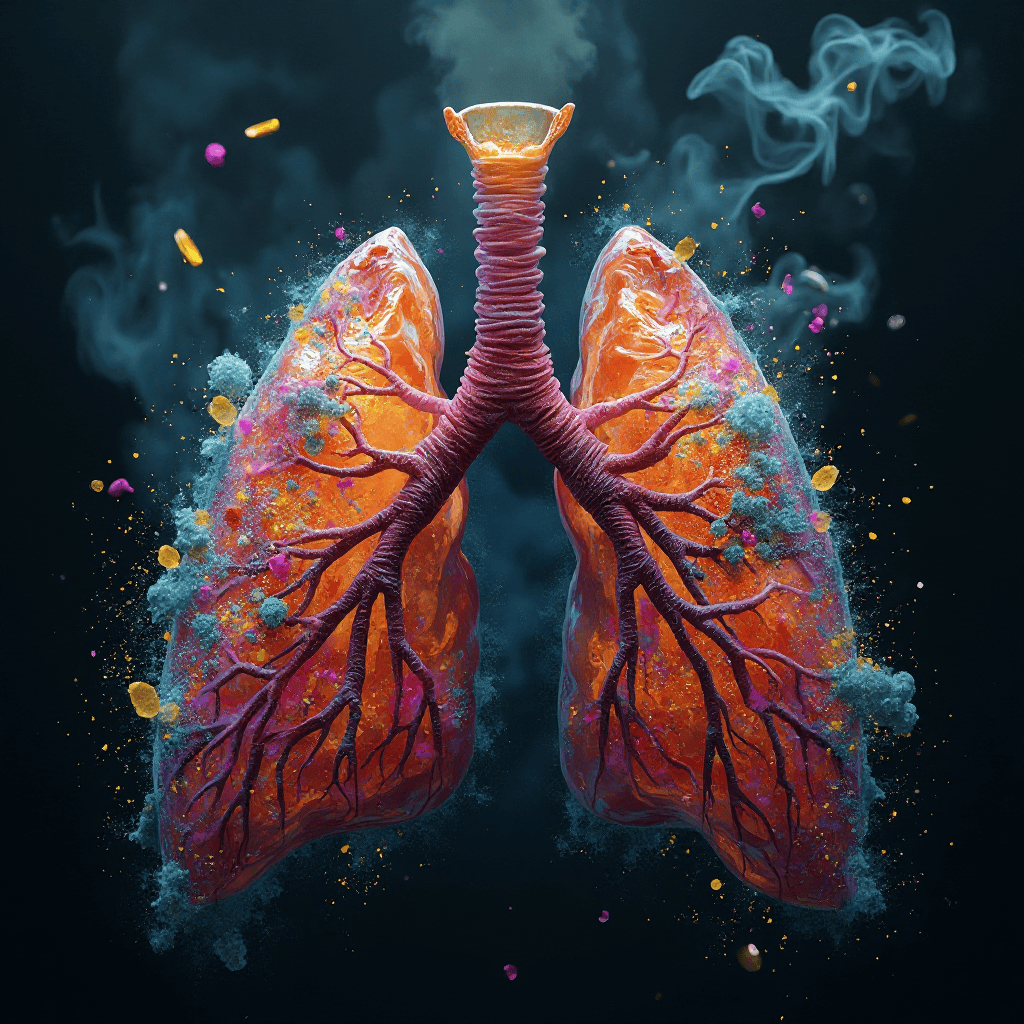

Breathlessness and Shortness of Breath: Insights, Causes, and Practical Management Strategies
Breathlessness and Shortness of Breath: Insights, Causes, and Practical Management Strategies
Breathlessness and Shortness of Breath: Insights, Causes, and Practical Management Strategies
Discover the essential insights into breathlessness and shortness of breath, exploring their diverse causes, symptoms, and implications for health. This comprehensive guide offers practical strategies for recognizing, managing, and knowing when to seek medical attention, empowering readers to navigate these common yet complex symptoms. Designed for a broad audience, it provides a clear, detailed understanding to enhance awareness and promote well-being.
Understanding Breathlessness and Shortness of Breath
Breathlessness, medically known as dyspnea, and shortness of breath are common symptoms that many individuals experience at some point in their lives. Dyspnea refers to the sensation of difficult or uncomfortable breathing, often described as tightness, suffocation, or an inability to get enough air. Shortness of breath, on the other hand, is a more general term that describes a reduced ability to breathe comfortably or efficiently.
Distinguishing between these two symptoms is important, as they can vary in severity and underlying causes. While both may occur during exertion or at rest, dyspnea often implies a more persistent or severe difficulty in breathing. Recognizing these symptoms in daily life is crucial because they can signal underlying health issues that require medical attention.
In medical and lay contexts, terms such as “shortness of breath,” “breathlessness,” and “dyspnea” are frequently used interchangeably, but understanding their nuances helps in better communication with healthcare providers and in self-monitoring.
Causes and Risk Factors of Breathlessness and Shortness of Breath
The causes of breathlessness and shortness of breath are diverse, involving respiratory, cardiovascular, and other medical conditions, as well as environmental and lifestyle factors.
Respiratory System Conditions
- Asthma: A chronic inflammatory disease causing airway narrowing, leading to episodes of breathlessness.
- Chronic Obstructive Pulmonary Disease (COPD): A progressive lung disease characterized by airflow limitation, often linked to smoking.
- Pneumonia: An infection that inflames the lungs, resulting in difficulty breathing and chest discomfort.
- Other causes: Pulmonary embolism, interstitial lung disease, and lung tumors can also cause breathlessness.
Cardiovascular Issues
- Heart failure: When the heart cannot pump blood effectively, leading to fluid buildup and shortness of breath.
- Angina and acute coronary syndrome: Reduced blood flow to the heart muscle can cause chest pain and breathlessness.
- Arrhythmias: Abnormal heart rhythms may impair cardiac output, resulting in dyspnea.
Other Medical Conditions
- Anemia: A low red blood cell count reduces oxygen delivery, leading to fatigue and shortness of breath.
- Obesity: Excess weight can impair respiratory mechanics.
- Anxiety: Psychological factors can induce hyperventilation and a sensation of breathlessness.
Environmental and Lifestyle Factors
- Pollution and allergens: Exposure can trigger respiratory symptoms.
- Smoking: Damages lung tissue and impairs airflow.
- Physical activity levels: Excessive exertion or sedentary lifestyles can influence respiratory health.
Demographic and Age-Related Factors
- Older adults are more susceptible due to an age-related decline in lung and heart function.
- Certain populations may be at higher risk due to genetic predispositions or socioeconomic factors.
Recognizing Symptoms and When to Seek Medical Attention
Understanding the typical signs and symptoms associated with breathlessness is vital for timely intervention.
Typical Signs and Symptoms
- Shortness of breath during activity or at rest
- Tightness or constriction in the chest
- Rapid breathing or use of accessory breathing muscles
- Absent breath sounds or abnormal lung sounds upon auscultation
- Fatigue, dizziness, or fainting episodes
- Cyanosis (bluish discoloration of lips or fingertips)
Differentiating Between Mild and Severe Symptoms
- Mild symptoms may include occasional shortness of breath during exertion, manageable with rest.
- Severe symptoms involve persistent or worsening dyspnea, especially at rest, and may interfere with daily activities.
Indicators of Urgent Medical Concern
- Sudden onset of severe breathlessness
- Chest pain or pressure, especially if related to exertion
- Fainting or loss of consciousness
- Signs of respiratory distress, such as absent breath sounds or cyanosis
Practical Tips for Monitoring Symptoms
- Keep a symptom diary, noting frequency, duration, and triggers
- Use tools like the American Heart Association chart to assess severity
- Seek prompt medical evaluation if symptoms worsen or are associated with other concerning signs
Importance of Timely Medical Evaluation
Early assessment by a healthcare provider can prevent complications, diagnose underlying conditions such as acute coronary syndrome or respiratory infections, and initiate appropriate treatment.
Practical Strategies for Managing Breathlessness and Shortness of Breath
Effective management involves immediate relief techniques and long-term strategies tailored to individual needs.
Immediate Relief Techniques
- Practice controlled breathing exercises, such as pursed-lip breathing
- Sit upright or lean forward to facilitate lung expansion
- Use relaxation techniques to reduce anxiety-induced dyspnea
Long-term Management Approaches
- Adherence to prescribed medications, including inhalers or bronchodilators
- Pulmonary rehabilitation programs at academic medical centers to improve respiratory capacity
- Regular follow-up with healthcare providers for monitoring and adjustments
Lifestyle Modifications
- Quit smoking and avoid exposure to pollutants
- Maintain a healthy weight through a balanced diet and physical activity
- Manage comorbid conditions like hypertension or diabetes
When to Use Medical Devices
- Inhalers for asthma or COPD management
- Supplemental oxygen therapy in cases of chronic hypoxia
- Devices like nebulizers or portable oxygen concentrators, as recommended by a healthcare provider
Role of Healthcare Professionals
A healthcare provider can develop personalized treatment plans, monitor disease progression, and provide education on managing breathlessness effectively.
Prevention and Lifestyle Tips to Reduce Incidence
Preventing breathlessness involves maintaining overall respiratory and cardiovascular health.
Maintaining a Healthy Respiratory and Cardiovascular System
- Engage in regular physical activity suited to your health status
- Follow a heart-healthy diet rich in fruits, vegetables, and whole grains
- Avoid tobacco and limit exposure to environmental pollutants
Avoiding Environmental Triggers and Pollutants
- Use air purifiers indoors if necessary
- Wear masks during high pollution days
- Minimize exposure to allergens and irritants
Regular Health Screenings and Checkups
- Routine checkups can detect early signs of respiratory or cardiovascular issues
- Participate in American Lung Association events to stay informed about lung health
Incorporating Physical Activity Safely
- Consult healthcare providers before starting new exercise routines
- Use appropriate breathing techniques during physical activity
Educating Oneself About Symptoms and Early Intervention
- Recognize early signs of respiratory distress
- Seek medical advice promptly when symptoms occur or worsen
Conclusion
Breathlessness and shortness of breath are common symptoms that can stem from a variety of causes, ranging from benign to life-threatening conditions. Recognizing the symptoms, understanding their potential causes, and knowing when to seek medical attention are essential steps toward maintaining respiratory and cardiovascular health.
Early detection and management can significantly improve quality of life and prevent serious complications such as acute coronary syndrome or exacerbations of chronic obstructive pulmonary disease. A proactive approach, including lifestyle modifications and regular health checkups, empowers individuals to take control of their respiratory well-being.
For further information and support, consult healthcare professionals, visit reputable organizations like the American Lung Association, and stay informed about the latest guidelines for managing dyspnea and related symptoms. Remember, timely medical advice is key to ensuring optimal health outcomes.
Questions
People also ask
about chronic obstructive pulmonary disease,
Are breathlessness and shortness of breath the same?
Are difficulty breathing and shortness of breath the same thing?
Is dyspnoea and shortness of breath the same?
Have difficulty breathing and shortness of breath?
shortness of breath and breathlessness?
Are dyspnea and shortness of breath the same thing?
Breathlessness and shortness of breath: difference?
Is dyspnoea shortness of breath?
Is it difficulty breathing or shortness of breath?
Is there a difference between shortness of breath and being out of breath?
Is breathlessness and shortness of breath the same thing?
difference between shortness of breath and breathlessness?






Leave A Comment
You must be logged in to post a comment.