Foods That Fight Back: Diet Hacks for High Triglyceride Levels
Foods That Fight Back: Diet Hacks for High Triglyceride Levels
Foods That Fight Back: Diet Hacks for High Triglyceride Levels
High triglyceride levels often sneaky until a blood test shows them to light, right? Yet, they can slowly wear down the heart and blood vessels, stirring up inflammation, hardening arteries,: and boosting risk of heart problems and stroke. Unlike just one “bad” habit, high triglycerides often show a pattern: too much sugar and soda, non-stop drinking alcohol, and not moving around enough or eating fiber. But hey, don’t worry, the good news is, triglycerides can change fast. Tiny, smart moves can lower them — sometimes a lot — without making life all about strict but unhealthy rules. Yeah?
What you eat is super important, great, way to get there. By choosing heart-happy foods — especially those full of omega-3s, fiber, and good fats — you help your body clear out triglycerides easier and keep blood sugar steady, both super for protecting your heart. Ahead, excited you’ll see how to make meals work with your body not against it: from omega-3-filled choices that soothe inflammation to whole grains and colorful fruits and veggies that keep energy going and support heart health. If you’re game for easy, happy changes that make a real difference? keep reading.
1. Understanding Triglycerides
Triglycerides are the body’s main form of stored energy; think of them like “fuel reserves” hiding in fat cells and moving in the blood after meals. When you eat, especially carbs and fats, your body turns extra energy into triglycerides to use later between meals or when active. Some amount is okay and needed but when triglycerides stay high, they say that body’s storing more energy than it using, showing wider stress on metabolism. Does that make sense?
Several things can make triglycerides go high. Diet big role play, eating too much sugar and soda, refined carbs, and alcohol can make triglycerides high, especially right after eating. Sitting too much, extra weight (belly fat lots part there), and both not control diabetes make it worse by making body clear triglycerides less well. Family genes, thyroid problems, some medicines (like beta-blockers, steroids and estrogen therapy), and life times like menopause tip balance too well. Even some healthy habits — like drinking fruit juice not whole fruit — can push levels up because sugar gets absorbed quick.
Having high triglyceride levels don’t quietly sit in the background, they can change lipid profile in ways that hurt heart. High triglycerides come with low HDL (“good”) cholesterol and small, heavy LDL particles, combination nasty called atherogenic dyslipidemia that makes plaque build up in arteries fast. Over time, chance of heart problems and stroke goes up. If very high oh boy, they can inflame the pancreas (pancreatitis) and linked to insulin problems and fatty liver, meaning they’re more than lab number — they’re peek into metabolic health. Intrigued?
But don’t be discouraged, good news:, triglycerides jump quick to lifestyle changes. Many folks notice better numbers in few weeks of drinking less sugar drinks and less alcohol, moving more, and eating more fiber foods that soften digestion and better insulin control. While detailed food ideas coming up, remember that steady cool choices — like saying bye to refined grains for whole grains and spreading meals out to stop constant snacks — help your body use stored energy not just always collect it.
2. Why Diet Matters
What you eat affect how much fat your liver send into bloodstream as triglyceride-rich particles. Meals full of refined carbs added sugar and a lot of alcohol push liver turn extra energy to triglycerides and make level soar quickly may be in few days. But meals focused on fiber foods, slim proteins, and healthy fats tell body use burn and clear triglycerides more. Even small swaps — like changing morning donut for oatmeal with chia and blueberries — can ease up liver’s “fat-making” job. Feeling curious?
Heart-happy meals give extra goods beyond cutting triglycerides. Soluble fiber from fruits, veggies, beans, and oats traps cholesterol and slows sugar soaking, cooling off after-food spiking that drives triglycerides high. Starting to get the idea? Instead of looking for hard answers, could you start simple changes and see where they lead?
Eating foods high in Omega-3 helps bring down VLDL, the bits that carry fat in your body. Having a mix of protein and whole grains makes you feel fuller and helps with keeping the weight in check — another mighty tool! Did you know that you need to lose just 5% to 10% of your body weight? to really put a dent in triglycerides. Perhaps, imagine each meal as a gentle push towards happy blood fats and calmer swelling. Okay, how about that?
A stubborn myth is that “all fat’s bad” for your triglycerides. But truly, it’s the type of fat that counts more than how much. Good fats, like in olive oil, avocados, nuts, and fatty fish, make triglycerides better when they replace sugars and bad fats. The main issues are fake fats and sugars we eat, like in sodas and sugary snacks, which, make more fat in liver. Another myth is thinking “low-fat means healthy”; many low-fat foods are, filled with sugars, which makes triglycerides higher than a spoon of olive oil would ever do.
What you eat daily affects triglycerides a lot. Eating carbs in doses, picking protein and veggies at meals, and choosing whole grains are better because it helps with energy and less fat-making in liver. Try lunch with quinoa, grilled salmon, and greens, or swap chips for carrots and hummus. At dinner, focus on veggies, beans, and healthy fats. You could take it easy on booze when eating lots of carbs. These simple changes, might just gently lower your triglycerides and get your heart healthier, huh?
Whole Grains help bring triglyceride levels down by giving fiber, mostly like the beta-glucan in oats. They slow carbs down and reduces liver fat-making.Vits like magnesium, and, stuff in them also make insulin better at lowering triglycerides. Bonus: cooling cooked grains like brown rice turns starch into “resistant starch” that improves fat processes.
Try different grains, like oats very least processed or simpler. Quinoa is good too cause protein level good. Barley, bulgur, buckwheat, and teff brings nice news and even energy. Love bread? Pick real whole-grain or sourdough rye kind; the making way makes less sugar hit then big-batch breads. Eat oats not sweet by adding olive oil, lemon and herbs, top with egg; for dinner co mingle quinoa with mushrooms and leafy veggie for fast yummy feel — simple tricks for easy healthy eating.
Swapping less good grains ain’t all-or-nothing. Start mixing: half this type, half that, like white and brown rice, or usual noodles and chickpea noodles if you need a change of flavor and touch slowly. Cook big, on weekend and put in fridge, and grain meals lot easy quick. Label watching helps, go for “whole grain 100%” or look for 3g fiber per serve. In café, toss flour tortilla, pick quinoa, barley not fries — tiny life shifts change a lot.Keep right amount of grains, add protein and good fats, don’t overload on carbs. Like barley with chickpeas or buckwheat spaghetti tangled with salmon veggies. Snacks work for heart: plain popcorn, smoked taste, crackers with avow, and tomato. These meals keep a check on nonsense swim up of triglycerides. Isn’t keeping things tasty and easy nice enough?
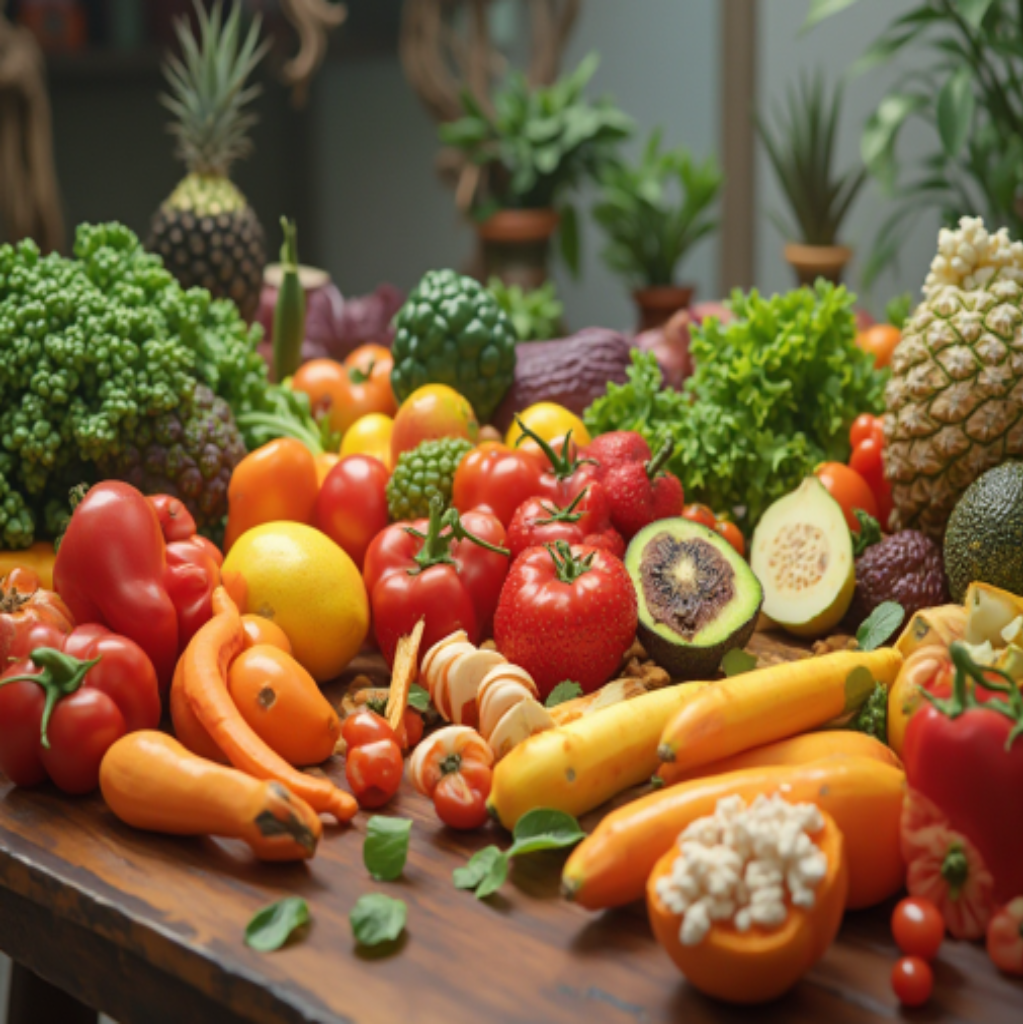
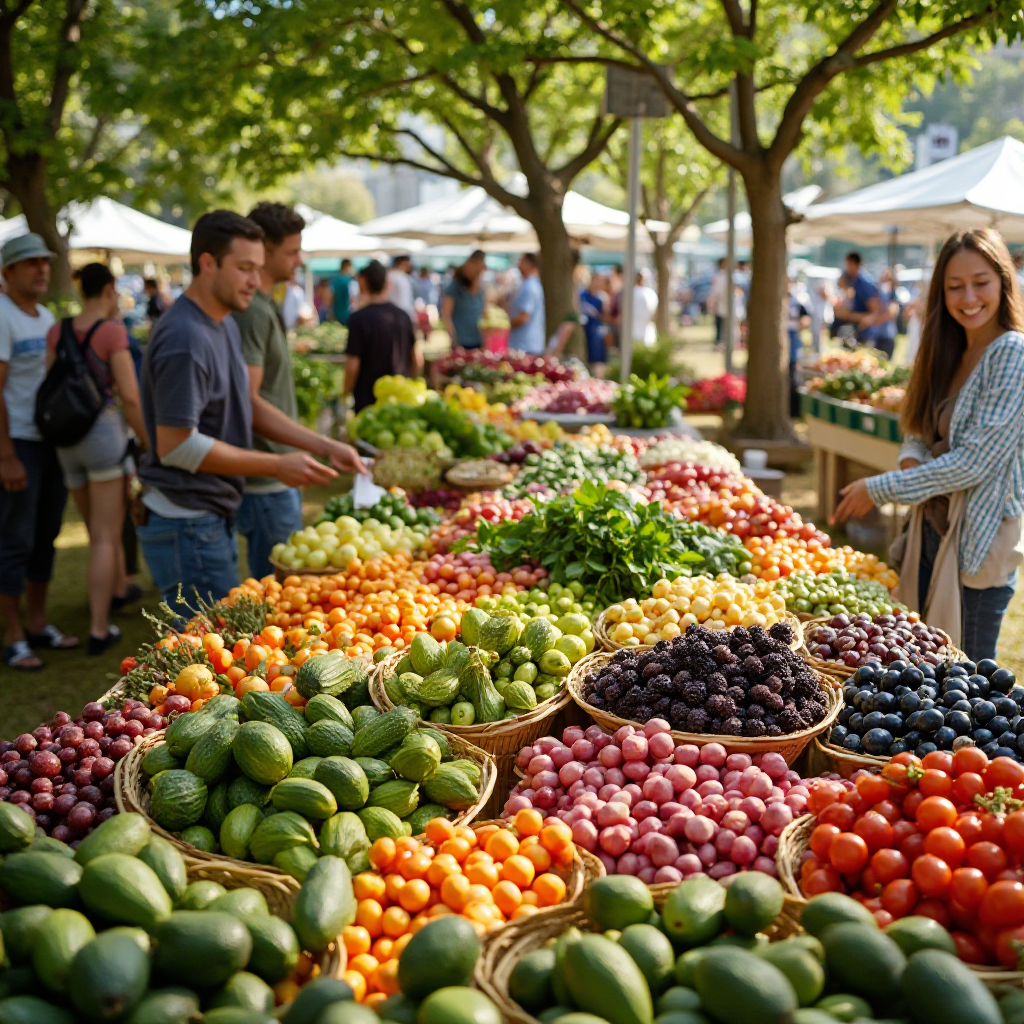
Fruits and veggies do double work against high triglyceride numbers: their fiber slows how you, get sugars too fast. Also, deals with hidden flame inside that jacks triglyceride up. Soft, jellyfish fibers in apples, lemons, beans slow food leaving tummy, lowering nasty rise in triglycerides. Do you think simple foods could, make big changes easier? Let’s dive into how fiber works in our bodies. Down in the belly, this fiber changes into small fatty acids that help with better fat burning — kinda like a gentle push steering your body away from making too much VLDL particles. Makes sense?
When it comes to fruits, those bright-colored berries like blueberries, blackberries, and strawberries stand out with there anthocyanin’s, goodies linked to better fat and artery health. Tart cherries, pomegranate seeds, and red grapes pack similar plant power. In the veggie world, leafy greens like spinach, kale, and arugula give good stuff like potassium and nitrates, supporting your blood tubes, while veggies like broccoli, Brussels sprouts, cauliflower bring fiber and sulfur-heavy antioxidants that could spell energy balance. Don’t forget eggplant and okra; their sticky fibers work nice for keeping fats steady after a meal.
Making fruits and greens a daily thing can be simple, not a hassle. Blend a “green-berry” smoothie with spinach leaves, frozen blueberries, half a kiwi, and a spoonful of chia seeds for bonus good fiber. Roast up broccoli, bell peppers, and eggplant on Sundays and use it all week — toss in a quinoa bowl, fold into an omelet, or have with grilled fish. Swap desserts: go for cinnamon pears or baked apples; the pectin can help steady fat answers while feeding a sweet tooth without extra sugar cravings.
How about thinking beyond salads — )to keep things exciting? Riced cauliflower can mix with half the white rice in stir-fries, add a citrus-herb salad with cabbage, grapefruit, mint) to tacos for a pop and fiber, or spread a chunky tomato-pomegranate mix over salmon for a polyphenol-rich top-up. Ensure ready-to-have options are near: snap peas, baby carrots, and grape tomatoes for speedy dips; frozen cherries or grapes for a chilly, natural sweet snack. Little, steady upgrades like these can slowly move there needle on high energy levels while making food more colorful and enjoyable.
6. Healthy Fats
Not all fats work the same in our blood tubes. Saturated fats (from fatty meat cuts, butter, coconut) and fake trans fats lift “bad” LDL figures and can mess with fat levels, specially when with fine carbs. In contrast, monounsaturated and polyunsaturated fats aid better lipid figures: they can bring lower fats when switching with fine squares or saturated fats in there meals, aiding an healthier HDL-to-LDL balance. Consider “swap, don’t stack” — switch unhealthy fats and super-processed carbs for better ones rather than adding more fat on your plate.
Some top heart-friendly fats are in avocados, extra-virgin olive oil, canola oil, nuts like walnuts, almonds, pistachios, seeds like chia, flax, hemp, sesame, olives, and soy foods like edamame and tofu. Walnuts and flax bring plant omega-3s, while almonds offer vitamin E and pistachios nurture plant walls — each delivering unique health edges. Even spreads play good: use tahini or a olive dip in place of butter or creamy dips to keep flavors high and bad fat low.
Make small, clever switches to gain well fats without overdoing the calories. Measure oils — one spoonful of olive oil is good for a skillet or salad; a drizzle bottle or teaspoon helps keep it honest. Use as garnish instead of pouring: sprinkle oatmeal with a spoon of ground flax, finish cooked veggies with a spoonful of chopped walnuts, or smear half an avocado on full-grain toast instead of butter. Craft flavors that expand taste: a speedy tahini-lemon-garlic blend or a yogurt–olive oil herby dip give delight in smaller amounts.
Cooking ways matter, too. Sauté or roast with a light oil brush over deep-frying; air-fry or bake for crisp without sea of fat. Balance is key: if dinner’s centerpiece is a richer fat (say, avocado in a cereal bowl), better keep the other meal parts low on added oils. Does that make sense? And remember the whole view — the fatty positives show there fat-dropping power best when replacing refined foods and sweets not just joining them on the dish. So why not think about this?
7. Cutting Down on Sugars and Fast Foods
Sugar isn’t just to make coffee sweet; it tells your liver to pack extra energy as triglycerides. Eating sweet drinks, or candy, or refined starches causes a rise in glucose and fructose which makes the liver produce more fats, boosting the VLDL particles and then high triglyceride levels. It can be sneaky: tasted yogurts, “health” bars, coffee drinks, an’ savory sauces often has lots of sugar to raise triglycerides without dessert. Alcohol might do the same, especially with sugary mixers, so watching both sugar and booze can help.
First, be aware but not obsessed. Check labels an’ ingredient lists for hidden sugars like cane juice, agave, fruit concentrate, and choose minor added sugar products. Swap white bread and pastries for foods with lot of fiber that breaks down slower. Try the “protein-fiber-fat” snack trick: get protein (like Greek yogurt, nuts) with fiber (berries, carrots) plus a bit of healthy oil (peanut butter, olive tapenade) for steady hunger and control sugar cravings. When you want sweets, eat after a balanced meal instead of empty stomach to lower triglyceride “jump”.
Swaps can make a big difference. Have sparkly water with 100% juice or bit of bitters instead of afternoon soda to cut sweetness. Trade breakfast pastry for oats made in milk, topped with spice, nuts; or mix plane skier with half a flavored yogurt to lower sweetness but enjoy. Use pesto, salsa, or quick vinaigrette instead of sweet sauces. Cook foods like roasted chickpeas, spiced nuts, or whole-grain crackers to keep you from grabbing processed snacks.
Make your place work for you. Keep a “green list” snack stash — boiled eggs, small nut packs, berries, carrot sticks — easy to get your little desires. Put high-sugar treats away and keep fruit like grapes, dark chocolate, or stuffed almonds visible for your sweet wants. Over time there, your taste adjusts, your cravings start to soften, and those little changes really add up — this could help lower high triglyceride levels and make heart better without losing out.
Homeopathic Treatment For High Triglyceride Levels
Using homeopathic treatment for high triglyceride numbers gives a nice way to go with food changes like planning meals and eating less sugar. Homeopathy looks at you as a whole person and picks treatments based on how you feel and your everyday health. Remedies like **Crataegus Oxyacantha** and **Cholesterinum** are used properly by practitioners to help with fat metabolism and keep cholesterol stuff in check. Do these remedies make the food changes work better for everyone? They might!
Also, homeopathy is more about stopping problems before they start—or fixing them later. This idea fits, isn’t it, with meal plans focusing on healthy foods: like whole grains, good fats, and loads of fiber. Isn’t thinking this way good? It can also cut sugar intake and create a lifestyle nice that balances out. Can intentional food choices and personal homeopathic treatments makes lowering triglyceride easier? Maybe its not simple, but it’s certainly worth exploring!
Conclusion: Little Steps, Maybe Big Changes?
Handling high triglyceride levels not need a big change — it’s about balance, an’ deliberate way of eating that helps your heart. A diet with omega-3s, whole grains, lots of fiber-y veggies, and good fats — while reducing sugars and fast foods — may help lower triglycerides. Think of your kitchen as defense; each swap from oats to salmon nudges the numbers right.
Start with one thing this week — add veg to each meal, switch soda for bubbles, or try berry oats topped with nuts — build slowly. Seek foods and recipes that make heart foods fun: yogurt with seeds, stuffed peppers or veggies with oil and lemon. It’s not about perfection but slow improvement. Each good meal invest in better energy, a good heart, maybe giving protecting against triglycerides. What will you change first?
Foods That Fight High Triglyceride Levels Naturally
heart-healthy foods, omega-3 fatty acids, fiber-rich foods, whole grains, healthy fats, fruits and vegetables, low-sugar diets, meal planning, recipes for health, lifestyle changes,
health-conscious individuals, those with high triglyceride levels, diet and nutrition enthusiasts, heart disease preventers, anyone looking to improve their diet,








Leave A Comment
You must be logged in to post a comment.