

How to unclog blocked arteries naturally
How to unclog blocked arteries naturally
Discover effective strategies and practical approaches to improve your cardiovascular health in this comprehensive guide on how to unclog your arteries. Combining the latest scientific insights with actionable lifestyle changes, this article empowers you to take proactive steps to reduce arterial blockages and enhance overall well-being. Whether through dietary adjustments, exercise, or medical options, gain the knowledge needed to make informed decisions for a healthier heart.
Understanding Arterial Blockages
The Anatomy and Function of Arteries in Cardiovascular Health
Arteries are vital blood vessels that transport oxygen-rich blood from the heart to tissues and organs throughout the body. They are composed of multiple layers, including the intima, media, and adventitia, which work together to maintain vessel integrity and flexibility. Healthy arteries facilitate smooth blood flow, supporting overall cardiovascular health. However, when arteries become clogged or narrowed, it can impair blood circulation and increase the risk of heart disease.
Common Causes of Arterial Clogging: Plaque Buildup, Cholesterol, and Lifestyle Factors
Arterial blockages primarily result from atherosclerosis, in which fatty deposits, cholesterol, and other substances accumulate on arterial walls. Key contributors include elevated low-density lipoprotein (LDL) cholesterol levels, unhealthy diets high in saturated and trans fats, smoking, sedentary lifestyles, and chronic inflammation. Over time, these factors lead to plaque formation, which narrows the arteries and hampers blood flow.
Recognizing Symptoms and Risks Associated with Clogged Arteries
Symptoms of clogged arteries may include chest pain (angina), shortness of breath, fatigue, numbness or weakness in limbs, and, in severe cases, heart attacks or strokes. Often, arterial blockages develop silently without noticeable symptoms until significant narrowing occurs. Recognizing these signs early and understanding the associated risks—such as heart attack, stroke, and peripheral artery disease—is crucial for timely intervention.
The Importance of Early Detection and Medical Assessment
Early detection through medical assessments like blood tests, ultrasound, angiography, or stress tests can identify arterial blockages before they lead to serious health events. Regular health screenings and consultations with healthcare professionals are essential, especially for individuals with risk factors such as high cholesterol, hypertension, diabetes, or a family history of cardiovascular disease.
Scientific Insights into Arterial Clogging and Natural Unclogging Strategies
The Role of Atherosclerosis in Arterial Narrowing
Atherosclerosis is the primary process underlying the clearing of clogged arteries. It involves the buildup of fatty plaques within arterial walls, leading to arterial thickening and stiffening. This process reduces blood flow and can cause complete blockages, increasing the risk of heart attacks and strokes.
How Diet Influences Arterial Health: Cholesterol, Fats, and Antioxidants
Diet plays a pivotal role in unclogging your arteries. Consuming foods high in saturated fats and trans fats can elevate LDL cholesterol levels, promoting plaque formation. Conversely, diets rich in antioxidants—found in fruits, vegetables, nuts, and seeds—help combat oxidative stress and inflammation, which are key contributors to arterial damage.
The Impact of Inflammation and Oxidative Stress on Arteries
Chronic inflammation and oxidative stress damage the endothelium (the inner lining of arteries), facilitating plaque buildup and progression of atherosclerosis. Managing inflammation through diet, lifestyle, and possibly supplements can be an effective strategy for naturally clearing artery blockages.
Evidence-Based Natural Approaches to Help Unclog Arteries
Incorporating Heart-Healthy Foods
Foods rich in omega-3 fatty acids (such as fatty fish like salmon and mackerel), fiber (found in oats, beans, and fruits), and antioxidants support arterial health. These nutrients help reduce cholesterol levels and inflammation, helping clean your arteries of cholesterol.
The Benefits of Regular Physical Activity and Exercise
Engaging in regular aerobic exercise—such as walking, cycling, or swimming—improves blood circulation, lowers LDL cholesterol, raises HDL (good cholesterol), and promotes overall cardiovascular health. Exercise is a natural way to help unclog blocked arteries.
Lifestyle Modifications
Quitting smoking, managing stress through mindfulness or relaxation techniques, and maintaining a healthy weight are critical lifestyle changes for heart health. These modifications can significantly reduce the risk of further arterial damage and promote the natural clearing of arteries.
The Potential Role of Supplements and Herbs
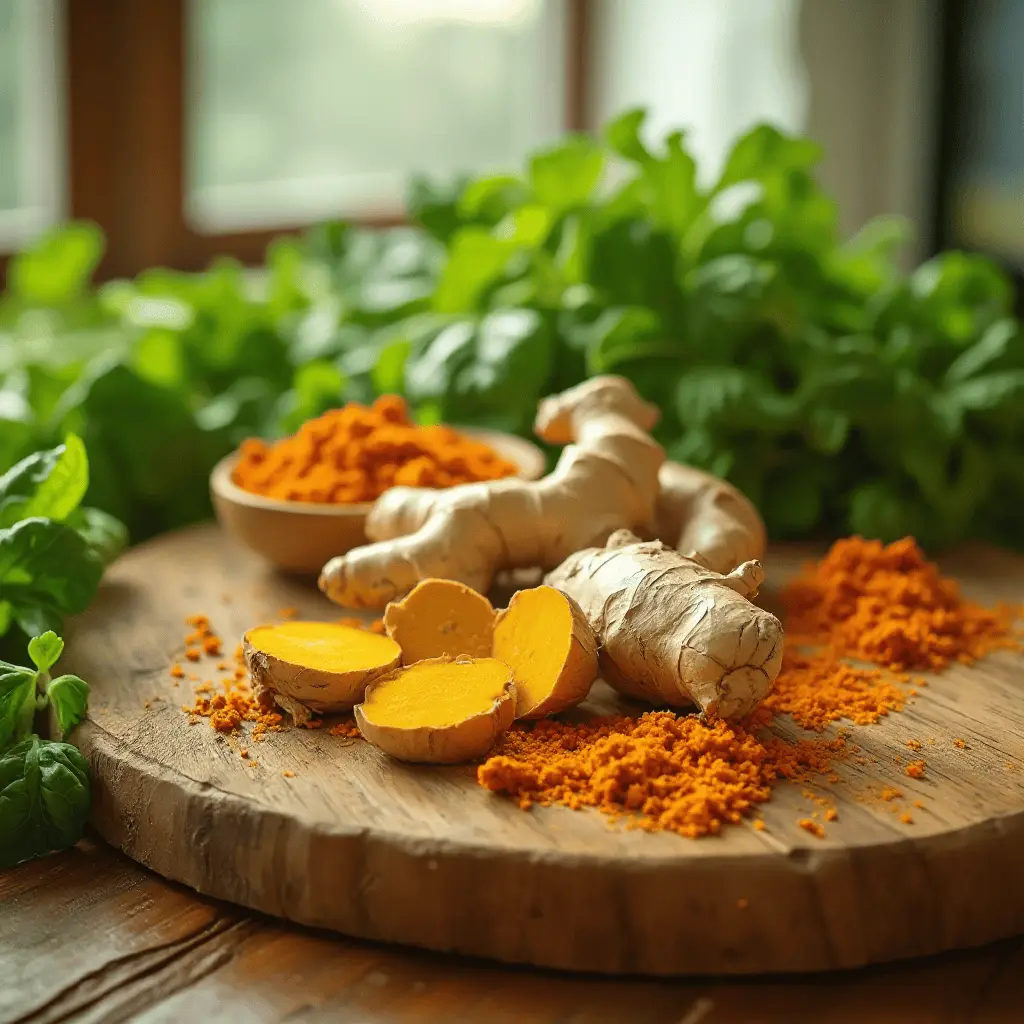
Certain supplements and herbs, including garlic, turmeric, and omega-3 supplements, have been studied for their potential to reduce arterial plaque and improve endothelial function. However, consult with healthcare providers before starting any new supplement regimen.
Medical and Lifestyle Interventions for Unclogging Arteries
When to Seek Medical Advice and Diagnostic Procedures
If you experience symptoms or have risk factors, seek medical advice promptly. Diagnostic procedures such as angiography, ultrasound, or CT scans can assess the extent of arterial blockage and guide treatment options.
Conventional Medical Treatments
Medical interventions may include medications like statins to lower cholesterol, antiplatelet drugs to prevent clot formation, or surgical procedures such as angioplasty and bypass surgery to restore blood flow. These treatments are often necessary for significant blockages.
The Importance of Ongoing Monitoring and Follow-up Care
Regular follow-up with healthcare professionals helps maintain arterial health and effectively manage any progression of blockage. Monitoring blood pressure, cholesterol levels, and lifestyle adherence is essential to long-term care.
Best homeopathic medicines to unclog blocked arteries fast
Homeopathy offers a unique approach to managing arterial health, focusing on the body’s innate healing abilities. Remedies such as **Allium sativa** (garlic) are renowned for their cardiovascular benefits, potentially reducing cholesterol and preventing plaque formation. Similarly, **Arjuna** is often used for its supportive qualities in enhancing heart function and circulation, promoting overall arterial health while balancing blood pressure.
Another promising option is **Crataegus**, or hawthorn, which is celebrated for its ability to strengthen the heart’s muscles and improve blood flow through dilating blood vessels. Combining these remedies with dietary adjustments can create a synergistic effect, helping to clear arteries.
It’s crucial, however, to consult a qualified homeopath who can tailor treatments to individual needs, ensuring that your path to improved vascular health is both safe and effective. By embracing these natural solutions, you can take proactive steps towards a healthier heart.
Complementary Approaches: Integrating Lifestyle Changes with Medical Treatment
Combining medical treatments with lifestyle modifications enhances the effectiveness of natural methods for unclogging your arteries. A holistic approach ensures better outcomes and reduces the risk of future blockages.
Practical Tips for Maintaining Arterial Health Long-term
- Consistent exercise routines: Aim for at least 150 minutes of moderate activity weekly.
- Balanced, low-cholesterol diet: Emphasize fruits, vegetables, whole grains, lean proteins, and healthy fats.
- Regular health screenings: Keep track of blood pressure, cholesterol, and blood sugar levels.
- Stress management: Incorporate relaxation techniques like meditation or yoga.
- Avoid smoking and limit alcohol intake.
Proactive Steps to Improve Cardiovascular Health and Prevent Future Blockages
Developing a Personalized Plan for Heart Health
Work with healthcare providers to create a tailored plan that considers your unique risk factors, preferences, and lifestyle.
Setting Achievable Goals for Diet, Activity, and Lifestyle
Start with small, manageable changes—such as adding more vegetables to meals or walking 10 minutes daily—and gradually increase your efforts.
Building Sustainable Habits for Long-term Arterial Health
Consistency is key. Establish routines that fit your lifestyle, and seek support from community groups, health coaches, or support networks to stay motivated.
Resources and Support Networks for Lifestyle Change Success
Utilize resources such as dietitians, fitness trainers, and online communities focused on heart health to reinforce your commitment and share experiences.
Final Thoughts: Empowering Yourself with Knowledge and Proactive Care
Understanding how to unclog your arteries and adopting proactive strategies can significantly improve your cardiovascular health. By combining scientific insights with practical lifestyle changes, you can reduce arterial plaque, prevent heart disease, and promote overall well-being.
Keywords:
- How to unclog your arteries
- arterial health
- unblock arteries naturally
- cardiovascular health
- reduce arterial plaque
- heart-healthy diet
- Lifestyle changes for heart health
- prevent heart disease











Leave A Comment
You must be logged in to post a comment.