
Discover Your Gingivitis Recovery Timeline Today
Discover Your Gingivitis Recovery Timeline Today
Discover Your Gingivitis Recovery Timeline Today
Gingivitis is often dismissed as a minor problem, but it is a key indicator of your oral health. Gingivitis is the first stage of gum disease and has telltale symptoms such as red, swollen gums that can bleed when brushing or flossing.
If left untreated, it can lead to more serious problems, considerable pain, and tooth loss. Once you realize that you have this condition, you can begin to recover from it. Knowing the *gingivitis healing timeline* is important for anyone who is dealing with this dental dilemma.
“*How long does it take to get rid of gingivitis?*” is a question that many people ask. This article will answer that question and provide you with the knowledge for effective healing. Understanding the stages of recovery can help you take preventative measures to improve your gum health and prevent further issues.
Join us as we walk through the road to recovery, filled with actionable insight and encouragement so you can regain confidence in your smile.
What is gingivitis?
Gingivitis is a milder, early form of gum disease characterized by inflammation of the gum tissue (gingiva). This condition generally develops when plaque—a sticky film of bacteria—builds up on the teeth and gums and isn’t removed by regular brushing and flossing.
This plaque hardens into tartar, which can further irritate and inflame the gums. So why do people get gingivitis? Well, it usually happens due to poor oral hygiene (not brushing and flossing properly), hormonal fluctuations, some medications, and medical conditions such as diabetes.
Gingivitis Symptoms: Common symptoms of gingivitis are mild at first but can worsen if left untreated. Individuals might see redness and swelling in the gums, especially at the gum line. Bleeding when you brush or floss is another big warning sign.
If you find that your breath is not as fresh as it once was or you suffer from chronic bad breath, it could be time to examine your oral health. These symptoms should not be ignored. Early diagnosis is very important for recovery and answers the question, “How long does it take to get rid of gingivitis?”
Treating gingivitis is not solely about alleviating discomfort; it is about establishing the basis for long-term oral health. Ignoring the signs can lead to more serious conditions, such as periodontitis, which could result in tooth loss.
This is why it’s important to stay current on oral hygiene tips that can help you fight against this condition. Professional dental cleanings and thorough at-home care are the keys to reversing the effects of gingivitis and maintaining healthy gums.
Focusing on prevention and early symptom detection can help people make big strides toward their oral health goals. The good news about gingivitis is that it is reversible with proper care and diligence; knowing not only what it is but also how to properly manage it through consistent oral hygiene practices is important.
How Long Does It Take to Cure Gingivitis?
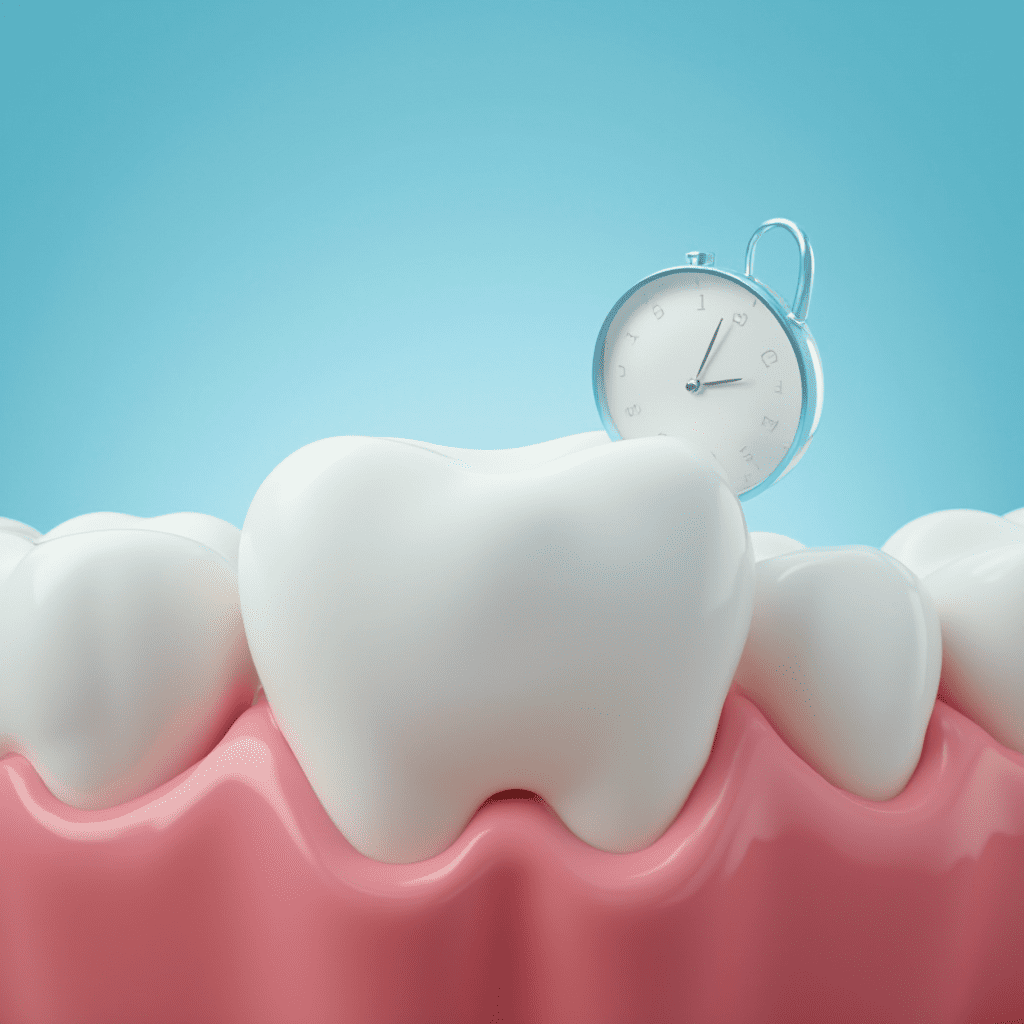
How long does it take to get over gingivitis? Recovery time from gingivitis varies widely from person to person, but with prompt, effective treatment, most people should see improvement within 1 to 2 weeks. During this time, you should start to notice the inflammation and bleeding that accompany early gum disease subside.
However, if you’ve had gingivitis for a long time or have poor oral hygiene habits, it may take longer for a complete resolution. It is important to maintain a consistent routine to accelerate healing. This includes better brushing and flossing habits.
Many factors can affect how long it takes to recover from gingivitis. For example, age and overall health are very important. Younger people and those without chronic health problems tend to heal faster. Your recovery speed is also affected by lifestyle factors such as smoking and diet.
Eating foods high in vitamins and minerals, especially vitamin C, can also improve gum health and help them heal faster. Sugary or acidic foods can make the condition worse, prolonging healing.
The frequency and consistency of dental care are other important factors. Regular dental check-ups and cleanings are important because professional cleanings can remove tartar and plaque that home hygiene practices may not.
If you go to dental appointments regularly and follow your dentist’s advice, you are more likely to recover quickly. On the other hand, if you don’t get professional treatment, things can get worse, prolonging your recovery and possibly developing into more serious gum disease.
After all, the recovery time from gingivitis is generally short, but it is influenced by many factors, such as general health, oral hygiene, and lifestyle. For a faster recovery, people need to commit to a good oral care routine, address underlying health conditions, and schedule regular dental visits. By following these steps, you will not only get rid of gingivitis but also make sure of lasting oral health.
Diet and Health
A balanced diet is an important factor in recovering from gingivitis and promoting overall gum health. Certain foods can speed up healing; others slow it down. Load up on fruits and vegetables for healthier gums. Crunchy vegetables like carrots and celery are not only packed with important vitamins and minerals, but they actually help to clean your teeth as you chew.
Fruits high in vitamin C, such as oranges and strawberries, can also help reduce inflammation and boost your immune system, which may help reduce gum problems. These are very important steps to improve gum health and speed recovery from gingivitis.
On the flip side, some foods may worsen your gingivitis symptoms and should be minimized or avoided during recovery. Sugary snacks and drinks are especially harmful because they promote plaque buildup and feed the bacteria that cause gingivitis.
Processed foods high in carbohydrates, like white bread and pasta, can also contribute to dental plaque. In addition, drinks like soda and other acidic beverages can further irritate the gums and make healing more difficult. Learning which foods to avoid can be a huge factor in your journey to improved oral health.
Other than that, staying hydrated is important for oral health. Drinking plenty of water helps wash away food particles and bacteria, reducing the risk of plaque formation. Green tea is another good choice, as it contains antioxidants that support gum health and help combat bacteria. Prioritizing these liquid selections, along with a balanced diet, can pave the way for enhanced oral healing, boosting the impact of your oral care routine.
By making the right food choices and steering clear of those that can damage your gums, you’re giving yourself the best chance to recover from gingivitis. This mindful approach to eating can complement your oral hygiene routine and improve your overall health, helping you make progress in your recovery timeline.
Specialized Dental Services
If you’re suffering from gingivitis, professional dental treatments are a key part of your recovery process. Once the severity of the condition is established, dentists often suggest a deep cleaning procedure called scaling and root planing.
This procedure removes plaque and tartar beneath the gum line to treat the root causes of infection. Many patients ask, “How long does it take to get rid of gingivitis?” A thorough clean usually makes a big difference over a few weeks, provided you’re keeping up with a regular dental care routine.
The frequency of dental visits can vary depending on the individual’s condition. Twice-yearly visits may be all that’s needed to help mild gingivitis, including regular checkups and cleanings. But those with more severe symptoms may need appointments every three to four months.
This proactive approach not only helps with recovery but also helps prevent the recurrence of gum disease. Your dentist can help you set up a schedule that best suits your needs to continue improving your oral health.
Dentists can also suggest antimicrobial mouthwash or prescription toothpaste to help fight bacteria and promote healing, along with scaling and root planing. These adjuncts can make a huge difference in how effective your at-home oral care routine is.
Some dental offices also offer laser therapy to remove inflamed gum tissue, which can speed healing. Our treatment will help to restore your gum health and prevent further complications, keeping you on the road to a healthy smile.
Regular dental visits are important not only for your recovery from gingivitis but also to prevent future oral problems. By keeping in touch with your dentist and following their advice, you increase your odds of having healthy gums for a long time.
Remember, a good dental care routine, including professional treatment and diligent at-home care, is vital to beating gingivitis and maintaining long-term oral health.
Home Remedies to Aid Recovery
If you are suffering from gingivitis, effective home remedies along with professional dental treatments can really help you recover. A saltwater rinse is one of the easiest and most helpful remedies. Mixing a teaspoon of salt in warm water can help reduce inflammation and kill bacteria in the mouth. This simple rinse can soothe swollen gums and relieve some of the common symptoms of gingivitis, such as redness and tenderness.
Another home remedy that works well is aloe vera gel, which is anti-inflammatory. Fresh aloe vera applied directly to your gums may help relieve and heal. Also, make sure to massage it gently around the affected areas.
This will help promote blood flow and contribute to gum health. Sage and chamomile are other herbs that can be brewed into relaxing teas. Steeping these herbs and using them as a mouth rinse can help to combat bacterial growth and have a calming effect.
Home remedies can be helpful but must be used with caution to ensure they are safe and effective. Always do a patch test with any new natural product to avoid allergies or adverse reactions. Baking soda can provide temporary relief, but it should not be overused. Overuse can cause enamel wear or irritation. Keep in mind that these remedies are meant to be used in addition to your regular oral hygiene routine and professional dental care.
Last but not least, it is important to be aware of your symptoms. If you experience worsening symptoms despite home remedies (e.g., pain, bleeding, swelling), seek dental care. Home remedies can be helpful but are best used in conjunction with comprehensive care and vigilance regarding your oral health.
Lifestyle Changes to Help You Heal Faster
Making lifestyle changes can speed your recovery from gingivitis and help restore your oral health. One of the most powerful things you can do is to quit smoking. Studies repeatedly show that smoking doesn’t just make gum disease worse; it also impairs your body’s ability to heal itself. Smokers’ immune systems are weakened, so your body has a harder time fighting the bacteria that cause gingivitis.
When you choose to quit, you are not only improving your general health; you are also giving your gums the chance they require to heal. In fact, studies show that smokers who quit experience improvements in their gum health within weeks!
Another important aspect that should not be ignored is stress management. High stress levels can affect your immune response, making your fight against gingivitis even harder. Busy periods often lead to poor oral hygiene habits – when things get hectic, brushing and flossing can be the first things to drop off your to-do list.
Practicing relaxation techniques such as mindfulness, yoga, or simple breathing exercises can help you control your stress levels. Combined with routine professional dental care, these strategies will help you stay on track to maintain optimal gum health.
Hydration is just as important as anything else in your fight against gingivitis. Keeping well hydrated is important for oral health because it helps to keep saliva flowing. It washes away food particles and neutralizes acids produced by harmful microbes. Your mouth produces saliva as a natural defense against bacteria.
If you don’t drink enough water, you’re putting your gums at risk. Drink at least 8 glasses of water a day, and consider adding water-rich foods like cucumbers or watermelon to boost your hydration. If you make these lifestyle changes a priority, you can significantly reduce the time it takes to eliminate gingivitis, and your gums will heal more quickly and effectively.
Signs of improvement vs. worsening situations
On the journey to overcoming gingivitis, it is essential to recognize the signs of improvement so you can stay motivated and ensure your oral health is at its best. Signs of positive results include a marked decrease in gum inflammation and bleeding, which usually show up as pinker, healthier gums rather than red or swollen ones.
Also, if you notice that your breath is better and that you’re not as sensitive when you brush anymore, these are both good signs that you are making progress. By keeping tabs on these changes, you can help reinforce your commitment to preventing gingivitis and to a healthier oral care routine.
On the other hand, it is also important to know the signs that your condition might be worsening. Warning signs include increased bleeding gums, chronic bad breath, or receding gums that are not improving.
Another signal that something needs to be done is a persistent feeling of discomfort or pain. If these symptoms persist or worsen despite your efforts with lifestyle changes and home remedies, it’s important to seek professional dental care.
Knowing when to ask for help can ultimately set the course of your recovery. Regular dental check-ups are important, but if you notice any warning signs of gingivitis, don’t hesitate to contact your dentist.
Your oral health can have a profound impact on your overall health, and early care can help prevent more serious problems in the future. Being aware and proactive about your oral hygiene supports your recovery and helps prevent long-term gingivitis.
Gingivitis: Homoeopathic Remedies
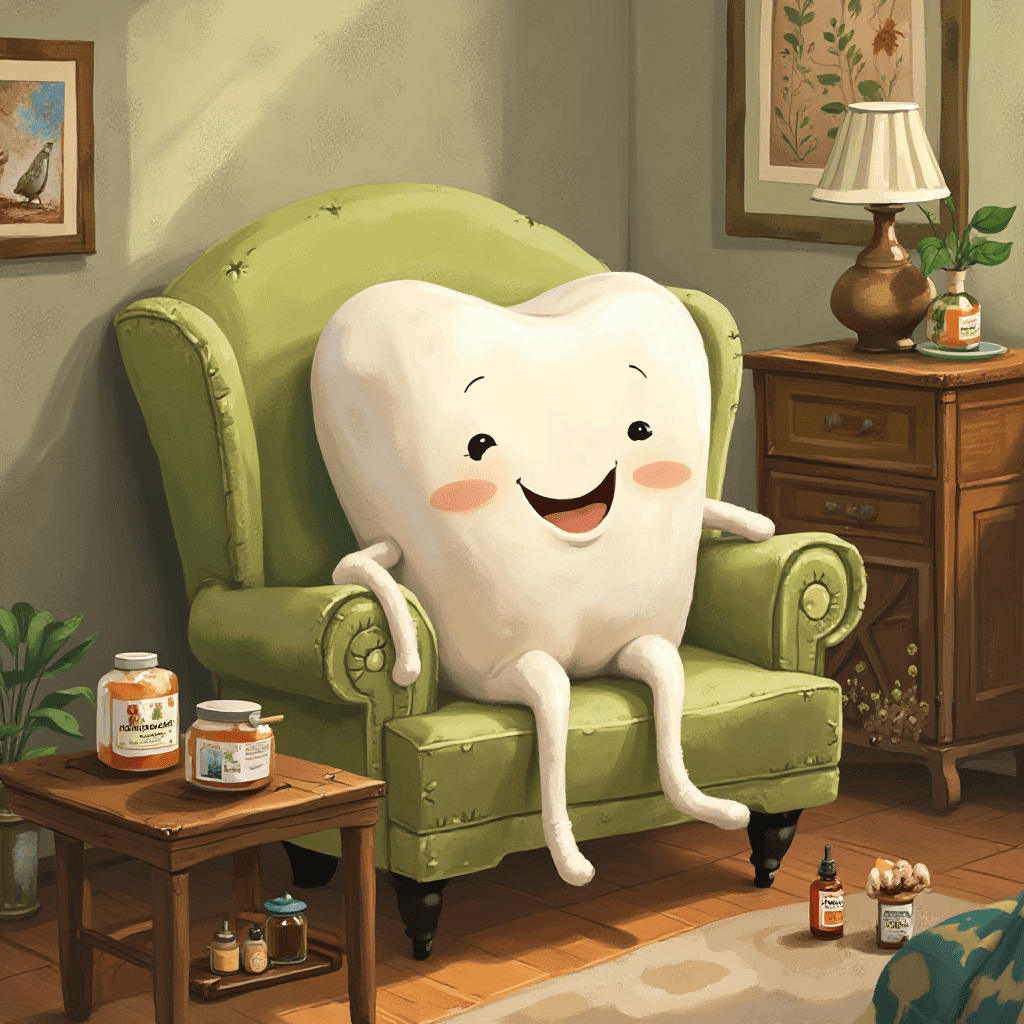
Gingivitis is an inflammation of the gums, a condition that can often be ignored but can also be troubling. The use of homeopathic medicines is a gentle, holistic way to address this issue by treating symptoms and underlying causes.
*Mercurius solubilis* can reduce inflammation of the gums and fight infection, while *Hepar sulphuris* can reduce pus formation and promote healing. This natural method relieves pain and promotes the health of your teeth and gums.
The philosophy of individualized treatment makes homeopathy particularly interesting. Symptoms vary from person to person, and homeopathic practitioners individualize the remedy to the person’s presentation and emotional state.
For instance, those who are extra sensitive might benefit from *Belladonna*, which helps to calm inflammation and boost circulation to the area. This individualized approach creates a powerful partnership between mind and body, enabling a more complete healing process.
Moreover, using homeopathic remedies reflects a wider commitment to preventive care. Adding these natural remedies to a consistent routine can bolster your oral health efforts and reduce the risk of gingivitis returning.
Furthermore, homeopathy promotes not only symptom alleviation but also awareness of lifestyle factors influencing gum health, including dietary modifications and stress-reduction methods, encouraging a preventive dental health approach.
Conclusion: How to Manage Your Gingivitis Recovery
It’s important to know your gingivitis recovery timeline for good oral health. Generally, if you practice good oral hygiene, make dietary changes, and possibly use professional treatments, you can begin to see improvements in your gum health in a few weeks.
However, the period may vary depending on individual circumstances, such as the severity of the condition and adherence to recommended practices. So, how long does it take to get rid of gingivitis? If you put your mind to it and take care of yourself, many people find that they get better much sooner than they might have thought.
Remember, good oral hygiene is the key to long-term success as you start your journey to healthier gums. Regular brushing, flossing, and routine dental visits help not only to recover from gingivitis but also to prevent it from recurring. So keep your oral health in check, and you will be rewarded with a bright smile and healthy gums for years to come.
1. What is gingivitis and its causes?
Gingivitis is an inflammation of the gums. This is caused by the build-up of plaque on the teeth. Poor oral hygiene, smoking, and hormonal changes may also contribute to its development.
2. What are the symptoms of gingivitis?
Common symptoms include swollen gums, redness, bleeding when brushing, and bad breath.
3. How long does it take to heal from gingivitis?
The timeline for your recovery depends on the severity of your condition, how well you maintain oral hygiene, and the professional treatment you receive. Get a personalized timeline through our assessment tool.
4. Can you cure gingivitis on your own?
Yes, mild cases can often be helped by proper brushing, flossing, and mouthwash. But to get a full treatment plan, you should see a dentist.
5. How often will I need to see the dentist during my recovery?
You should have regular check-ups every 3 to 6 months, but your dentist may suggest more frequent visits if your gingivitis is severe.
6. What lifestyle changes will help you recover faster?
Eating better, quitting smoking, managing stress, and keeping up good oral hygiene can all help you recover more quickly.
7. What happens if gingivitis is not treated?
Yes, untreated gingivitis can develop into periodontitis that can lead to tooth loss and more severe health issues.
8. How do I prevent gingivitis in the future?
Regular brushing, flossing, routine dental checkups, and a balanced diet are paramount in preventing the recurrence of gingivitis.
gingivitis healing timeline, oral hygiene tips, factors affecting recovery, severity of gingivitis, steps to improve gum health, dental care routine, symptoms of gingivitis, professional dental treatment, gingivitis prevention, healthy gums,
Individuals suffering from gingivitis, those interested in oral health, dental patients,










Leave A Comment
You must be logged in to post a comment.