Is Your Heart Healthy? Learn About Heart Valve Disease Solutions
Is Your Heart Healthy? Learn About Heart Valve Disease Solutions
Is Your Heart Healthy? Learn About Heart Valve Disease Solutions
The management of heart valve disease is tailored to the individual. The best option depends on which valve is affected, how well it’s working, if you have symptoms, and your overall health. In mild or stable cases, some people might require regular monitoring. Some medicines may help to control symptoms or complications related to the condition. Other medicines may require a procedure to repair or replace the damaged valve.
A health care professional can evaluate your situation and explain the options that are right for you. Treatment regimens may also change with time, so ongoing follow-up is often important. Your care team can help you learn what to expect, how to identify changes in your symptoms, and which activities are right for you.
This article describes how heart valve disease is diagnosed, the main treatment options, recovery and long-term follow-up, and heart-healthy habits to support recovery. A balanced diet, appropriate physical activity, avoidance of tobacco, stress management, and appropriate yoga, as per medical advice, may help with general well-being. But these do not repair or replace a damaged valve and should not replace specialist assessment or recommended treatment.
What Is Heart Valve Disease?
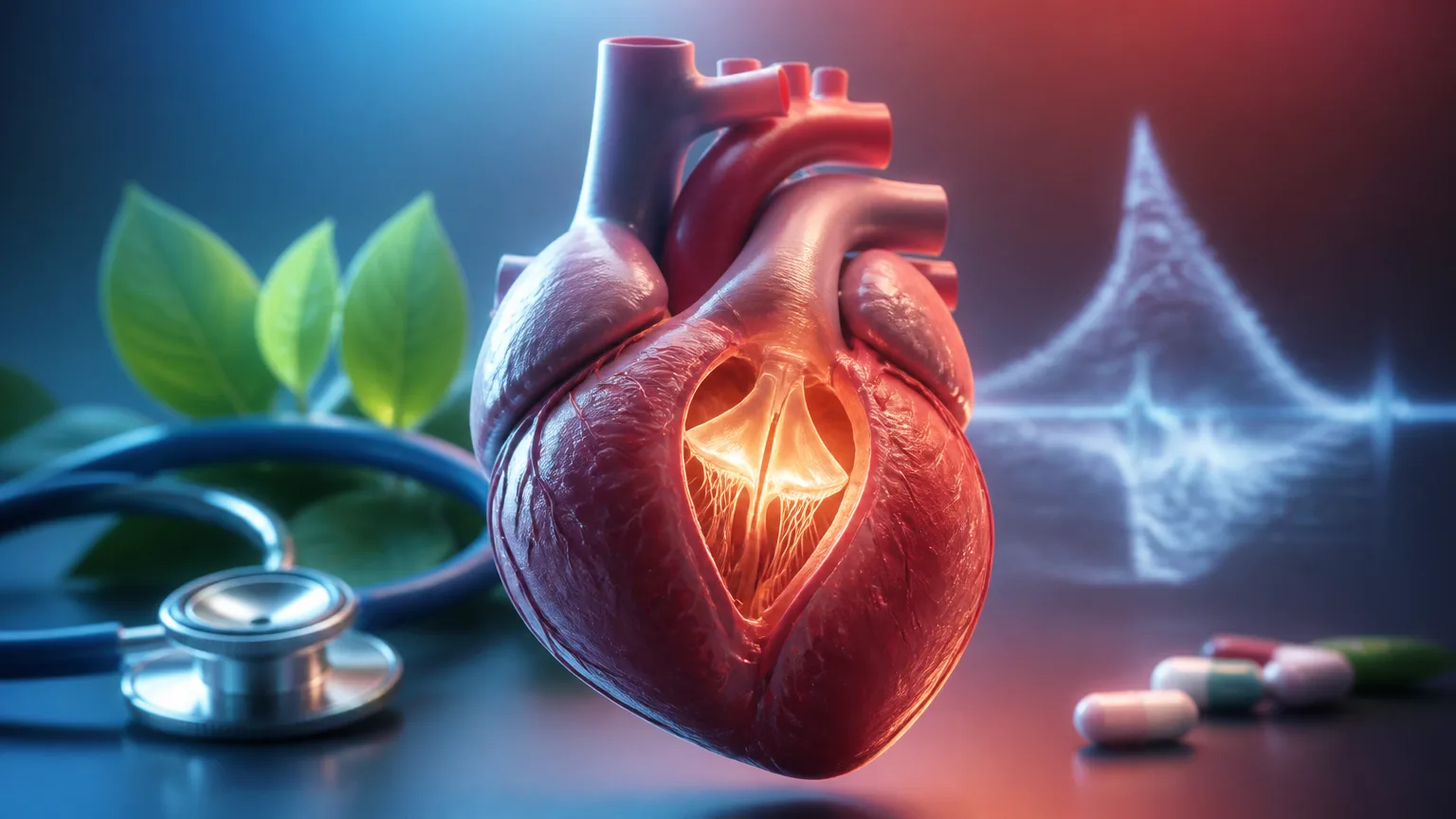
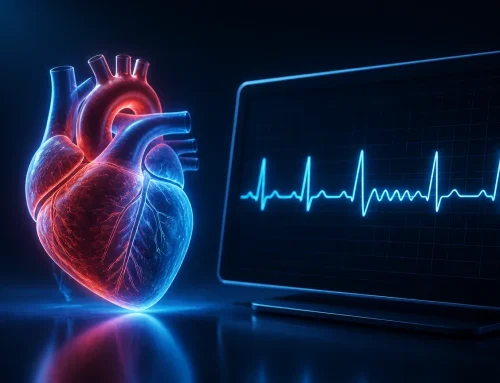
Heart valve disease happens when one or more of the heart’s valves don’t open or close properly. These valves help direct blood through the heart and out to the rest of the body.
A valve can narrow, limiting how much blood can flow through it. This is sometimes called narrowing. A valve may also fail to close completely, allowing blood to leak backward. This is called regurgitation or leakage. Both conditions can make the heart work harder, but the effects will vary from person to person.
Some patients with minor valve disease have few or no visible symptoms. Others may experience problems such as shortness of breath, fatigue, chest discomfort, dizziness, or a reduced ability to stay active. Symptoms and severity can change over time.
Not all valve diseases are managed the same way. The healthcare professional will consider which valve is affected, whether it is narrowed or leaking, how severe the problem is, symptoms, how well the heart is working, age, and general health. These factors help guide decisions about monitoring, medication, or a procedure to repair or replace the valve if needed.
How Heart Valve Disease Is Diagnosed
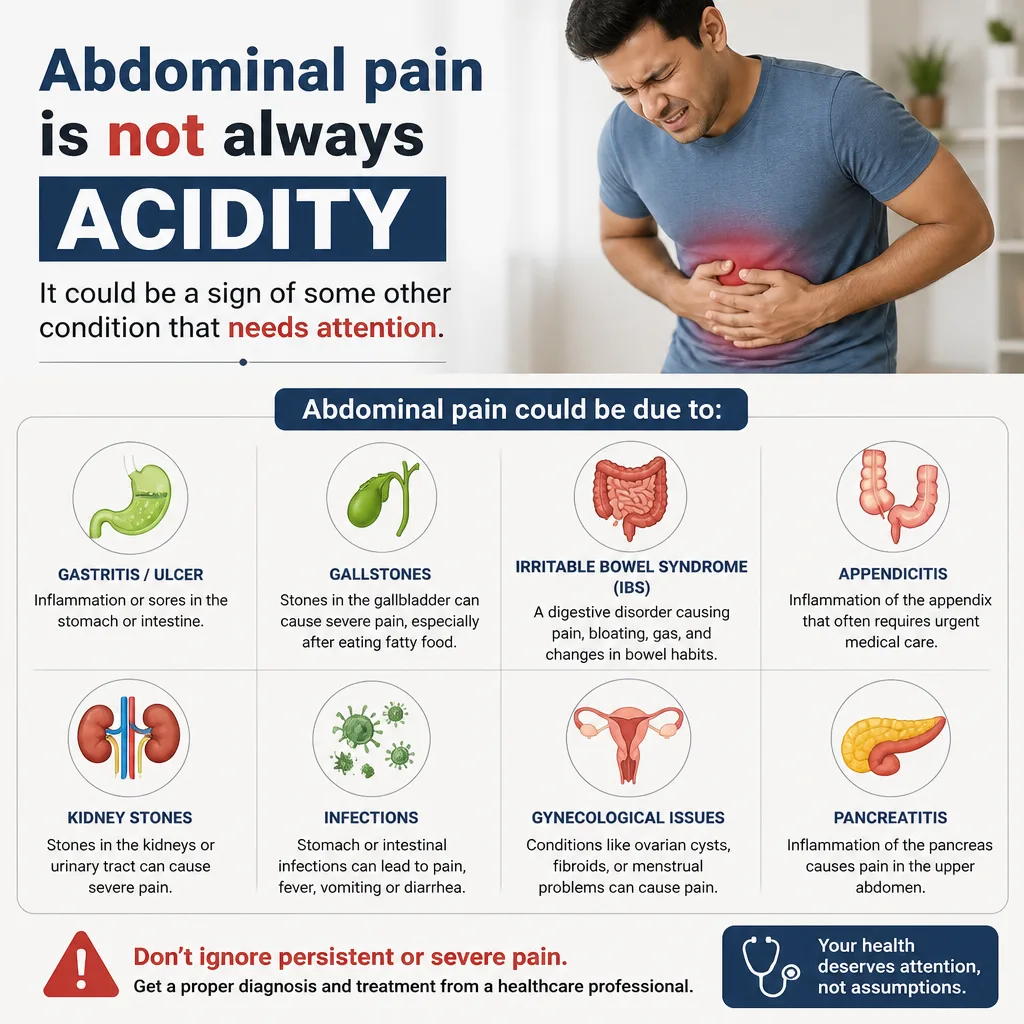
Symptoms alone are not a diagnosis of possible heart valve disease. That assessment is made by a qualified healthcare professional. Breathlessness, unusual tiredness, chest discomfort, dizziness, fainting, or swelling may be clues but can also occur with other health conditions. Evaluation of persistent or concerning symptoms.
During an appointment, a clinician may ask about your symptoms, when they began, and if they interfere with your daily activities. They may also ask about your medical history, current medications, and other health conditions. During a physical exam, the health care provider listens to the heart sounds to check for abnormal blood flow sounds.
Assessment is centered around heart imaging. Ultrasound imaging may help to show how a valve opens and closes, if blood flow is affected, and how the heart is working. The results can help the care team to understand the type and severity of valve disease and whether monitoring, medicines, or further treatment may be appropriate.
You cannot diagnose heart valve disease nor determine how severe it is by yourself. If you have persistent symptoms or are concerned about your heart, get a professional assessment so your care plan is based on an individualized evaluation.
Treatment Options For Heart Valve Disease
The treatment depends on what valve is affected, the type and severity of the problem, your symptoms, how well your heart is working, and your general health.
Surveillance
If your valve disease is mild, stable, or causes few symptoms, your doctor may recommend regular monitoring instead of immediate treatment. That doesn’t mean doing nothing. The care team uses follow-up visits and repeat assessments to look for any changes in the valve, heart function, symptoms, or ability to stay active. The follow-up schedule will be based on your individual condition.
Narcotics
You may be given medication to treat your symptoms or any related complications. But medicines generally don’t correct a narrowed or leaking valve. Take any medicine you are prescribed exactly as directed and do not change your treatment on your own. Discuss side effects, missed doses, or concerns with your healthcare professional.
Valve replacement or valve repair
A procedure may be recommended by a clinician if the valve disease is severe, causes significant symptoms, or affects heart function. The aim of valve repair is to maintain and restore the function of the existing valve. Valve replacement. Replacement of a damaged valve where repair is not appropriate.
The timing and type of procedure will depend on the individual assessment. Your care team can discuss potential benefits, risks, and alternatives with you.
Long-term Follow-up and Recovery
How well you recover from heart valve treatment depends on the type of treatment, the valve that was treated, and your overall health. Follow your care team’s instructions on rest, activity, wound care, and returning to your daily activities. If you have been prescribed medication, take it as directed. Do not stop, skip, or change a medicine without talking to a healthcare professional.
Follow-up is a continuing process in valve care, not just a short-term step after the procedure. Follow your doctor’s advice to get regular checkups and repeat tests for your heart. These appointments allow your care team to check your symptoms, your heart function, and how well your valve treatment is working.
It may be helpful to keep a simple log of shortness of breath, swelling, dizziness, fatigue, or changes in your ability to exercise or do your usual activities. Tell your healthcare professional about any new, worsening, or persistent changes.
**What are the goals of my treatment?**
What happens if I miss a dose?
What activities are appropriate during recovery?
When do you need to call or get emergency medical care?
When is my next checkup or repeat assessment due?
Healthy Habits for the Heart
Healthy habits can support overall heart and mental well-being daily, but they don’t repair, reopen, or replace a damaged heart valve. They should be adjuncts to, not a delay in, specialist evaluation and treatment recommendations.
Opt for balanced, nutritious, heart-healthy meals to help promote overall heart health. Your healthcare professional can help with any dietary requirements related to your general condition or medication. Ask about support to stop if you use tobacco. You may also take care of your well-being by using stress-management techniques, such as quiet breathing, relaxation, or time with supportive people.
Exercise must be individualized. If you have valve disease, symptoms, or are recovering from a procedure, ask your healthcare professional what level and type of activity is appropriate. Don’t push through breathlessness, chest discomfort, dizziness, or unusual fatigue.
“With appropriate modifications for your medical condition, yoga may be appropriate for some people. Begin gradually, heed professional advice, and discontinue if you develop any concerning symptoms.
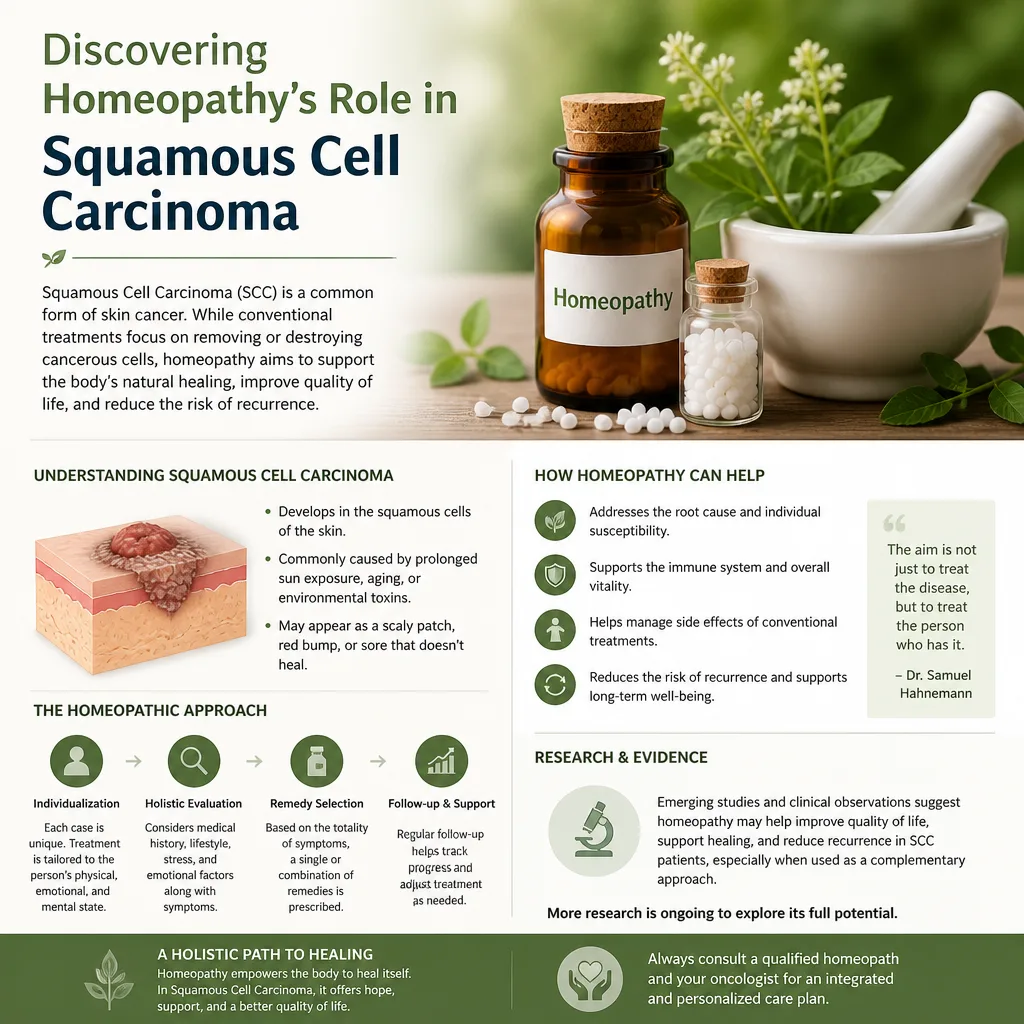
If you take prescribed medicines, check with your healthcare professional before using supplements, homeopathic products, or other complementary therapies. Monitoring or treatment for structural valve disease should not substitute any natural approach.
When to Get Medical Help Right Away
Some symptoms may indicate a serious change in your condition, but symptoms alone can’t tell the cause. Seek medical advice immediately if you notice any new, worsening or persistent changes such as:
New or worsening difficulty breathing.
Pain or pressure in the chest
Fainting or feeling very dizzy
Sudden swelling, particularly if it interferes with your normal activity
Sudden or dramatic change in symptoms, energy, or ability to exercise
Call for emergency help according to your local emergency protocols if symptoms are sudden or severe. Don’t try to treat a marked worsening of symptoms with lifestyle changes, yoga, supplements, or other natural approaches alone. These practices may be good for overall health but cannot repair a damaged heart valve or remove the need for urgent assessment.
If you think you may have heart valve disease, or if you have been diagnosed, seek individualized advice from a qualified healthcare professional or cardiology team. Follow the care plan given to you, take prescribed medicines as directed, and let us know right away if you develop any new concerns or changes. Continued follow-up enables your health care team to monitor your heart and adjust treatment as necessary.
Why a Personalized Plan Matters
Heart valve disease treatment can range from regular monitoring and symptom relief to a procedure to repair or replace a damaged valve. The best approach depends on which valve is involved, the type and severity of the problem, your symptoms, how well your heart is functioning, your age, and overall health. Since these can change, it is still important to have routine checkups and follow-up assessments.
Healthy habits that may support overall heart and mental well-being include balanced nutrition, appropriate physical activity, tobacco avoidance, stress management, and medically appropriate yoga. But it can’t fix, replace, or reopen a damaged heart valve. Natural approaches and lifestyle measures are intended to complement—not replace—the professional evaluation, prescribed medicines, recommended procedures, or follow-up care you receive from your health-care provider.
If you have, or suspect you have, heart valve disease, follow your care plan and report any new or worsening symptoms. Discuss your individual concerns, treatment options, level of activity, medicines, and follow-up needs with a qualified healthcare professional or cardiology team.




Leave A Comment
You must be logged in to post a comment.