Can You Eat Raw Salmon? Safety Tips, Risks, and Health Considerations
Can You Eat Raw Salmon? Safety Tips, Risks, and Health Considerations
Can You Eat Raw Salmon? Safety Tips, Risks, and Health Considerations
“Can you eat raw salmon?
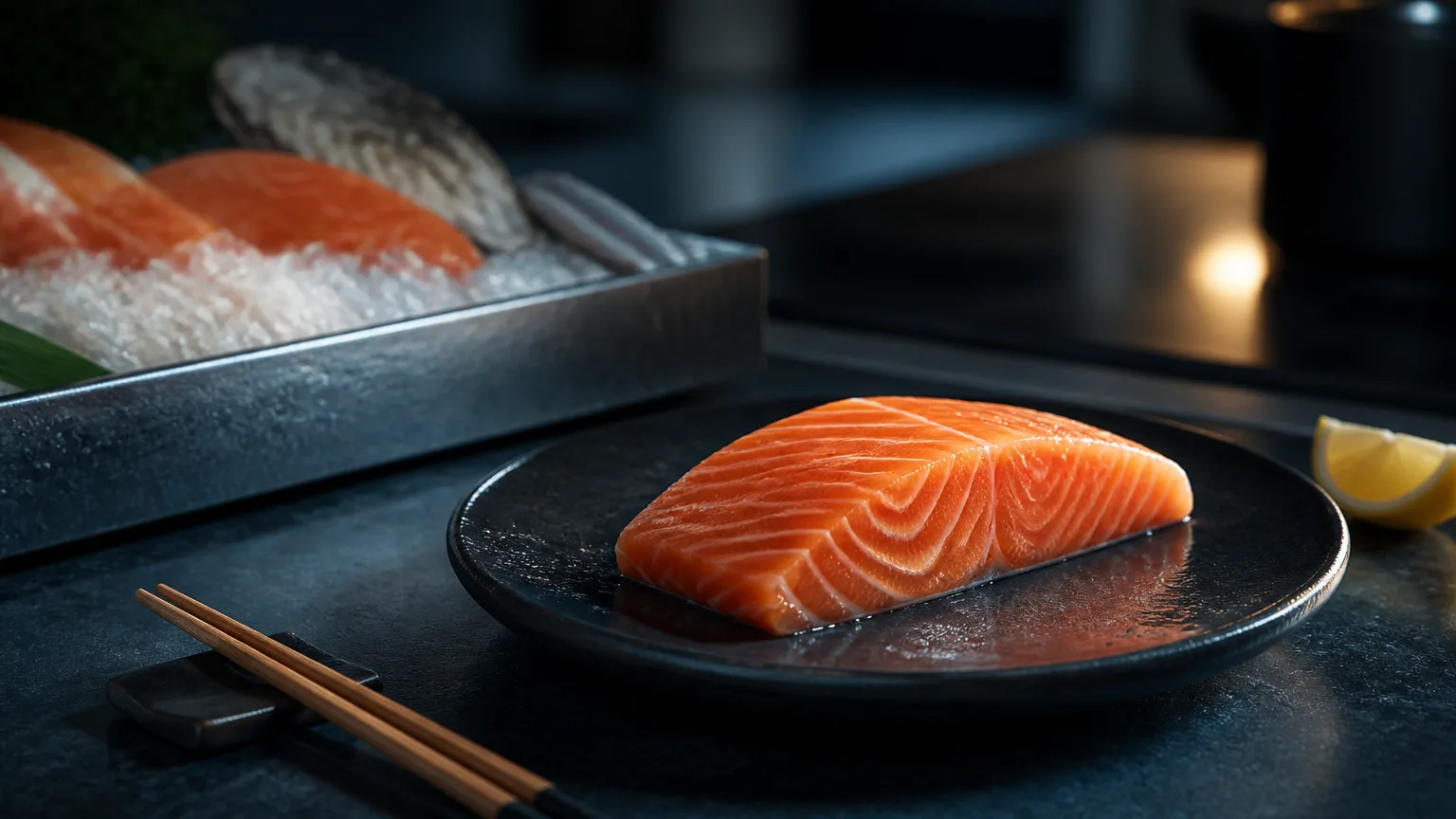
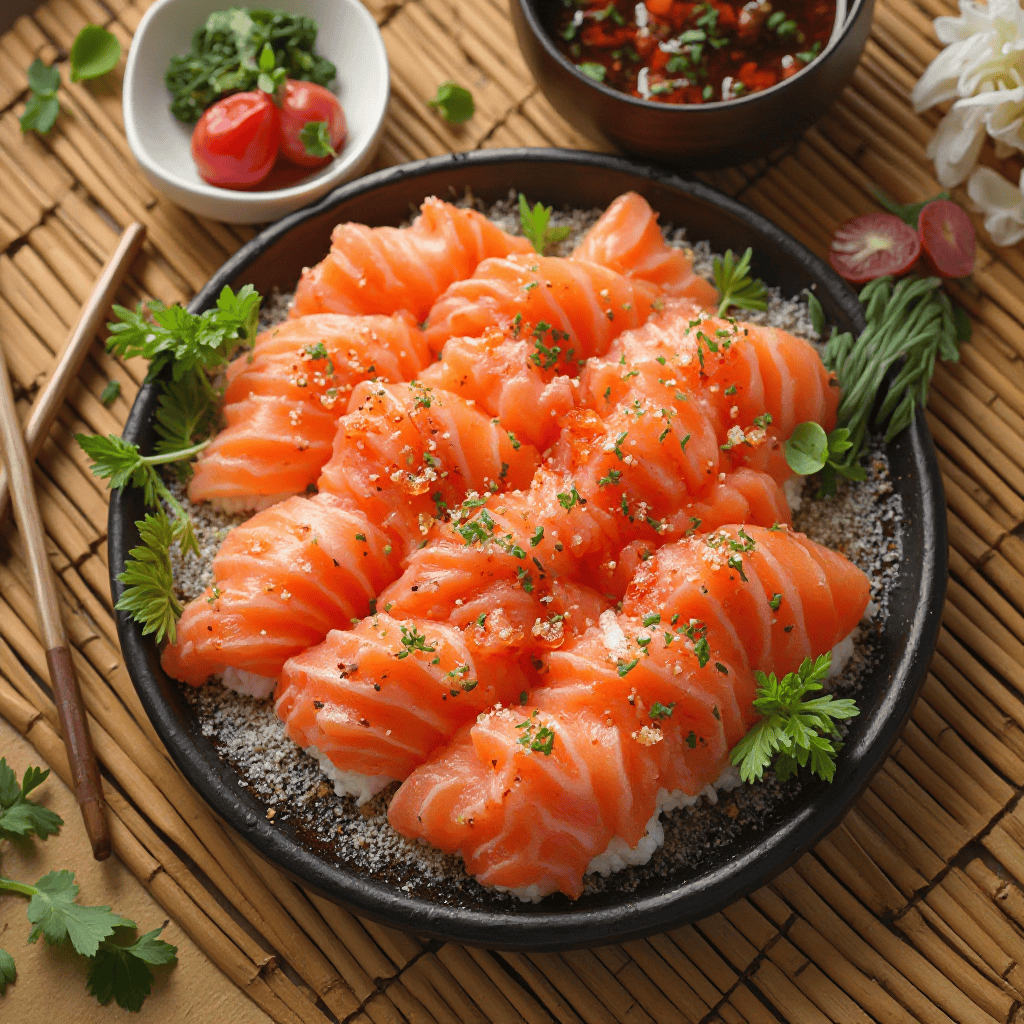
When properly sourced, handled, stored, and prepared for consumption, raw salmon can be eaten in dishes such as sushi, sashimi, and poke. But raw salmon isn’t inherently safe, and “fresh” doesn’t mean it’s free of dangerous bacteria or parasites.
How reasonable that choice is depends on a number of factors, including intended-use labeling, seller’s handling practices, temperature control, preparation methods, and local food-safety guidance. Salmon sold for cooking should not automatically be assumed to be fit to eat raw. And even with taking careful precautions, they reduce the risk but don’t eliminate it.”
This guide describes the main foodborne illness and parasite risks associated with raw salmon and provides practical advice for selecting, storing, preparing, and serving it. It also covers who should not eat raw or undercooked fish, a nutritional and safety comparison between raw and cooked salmon, and which symptoms require medical attention.
When It’s OK to Eat Raw Salmon
When raw salmon is properly sourced, handled, stored, and prepared for consumption, it is safe to eat in dishes such as sushi, sashimi, or poke. But raw salmon isn’t without its risks. Salmon marked as “fresh” can still contain harmful germs and parasites.
Choose salmon that is specifically labeled or sold for raw use, such as “sushi-grade” salmon, where the term is employed. Remember that labeling standards differ, and “sushi-grade” is not an internationally recognized safety label. Ask the seller how the fish was handled and if it was intended to be eaten raw. Salmon intended for cooking should not be automatically considered suitable for raw use.
Proper freezing may reduce some parasite risks, and careful hygiene, reliable refrigeration, and reputable sources can reduce the risk of food-borne illness. Still, these precautions reduce risk but do not eliminate it. Local food-safety advice may also include local-specific guidance for raw fish. If you don’t know how the salmon was handled, stored, or what it was intended for, it’s safest to cook it well.
Risks of Parasites and Foodborne Illness
Hazardous bacteria, viruses, or parasites can be present in raw salmon. Even when the fish appears, tastes, and smells fine, these pollutants can still cause foodborne illness. Additionally, handling salmon with dirty hands or utensils can transfer bacteria to other foods and surfaces.
Another concern is parasites. Under the right circumstances, freezing salmon may help reduce some parasite hazards, but it does not eliminate all problems associated with raw seafood. Freezing might not eliminate all dangerous bacteria, and it might not address careless handling that occurred before or after freezing.
From the moment the fish is delivered until it is served, temperature management is crucial. It is important to keep salmon well-chilled and avoid leaving it at room temperature for longer than necessary. Refrigeration does not ensure that tainted fish will become safe, although it does limit the growth of some dangerous bacteria.
Because the fish may have been processed in accordance with procedures meant for raw consumption, purchasing from a reliable source might reduce risk. Maintaining clean hands, utensils, cutting boards, and preparation surfaces helps prevent cross-contamination; thus, good hygiene is also important. Raw salmon is not risk-free, even with thorough preparation, appropriate freezing, cold storage, and reliable procurement. Cooking is the safer alternative if the handling history or intended usage is unclear.
How to Choose, Store, and Prepare Raw Salmon
Careful shopping and handling can reduce the risks associated with raw salmon, although they cannot remove them completely.
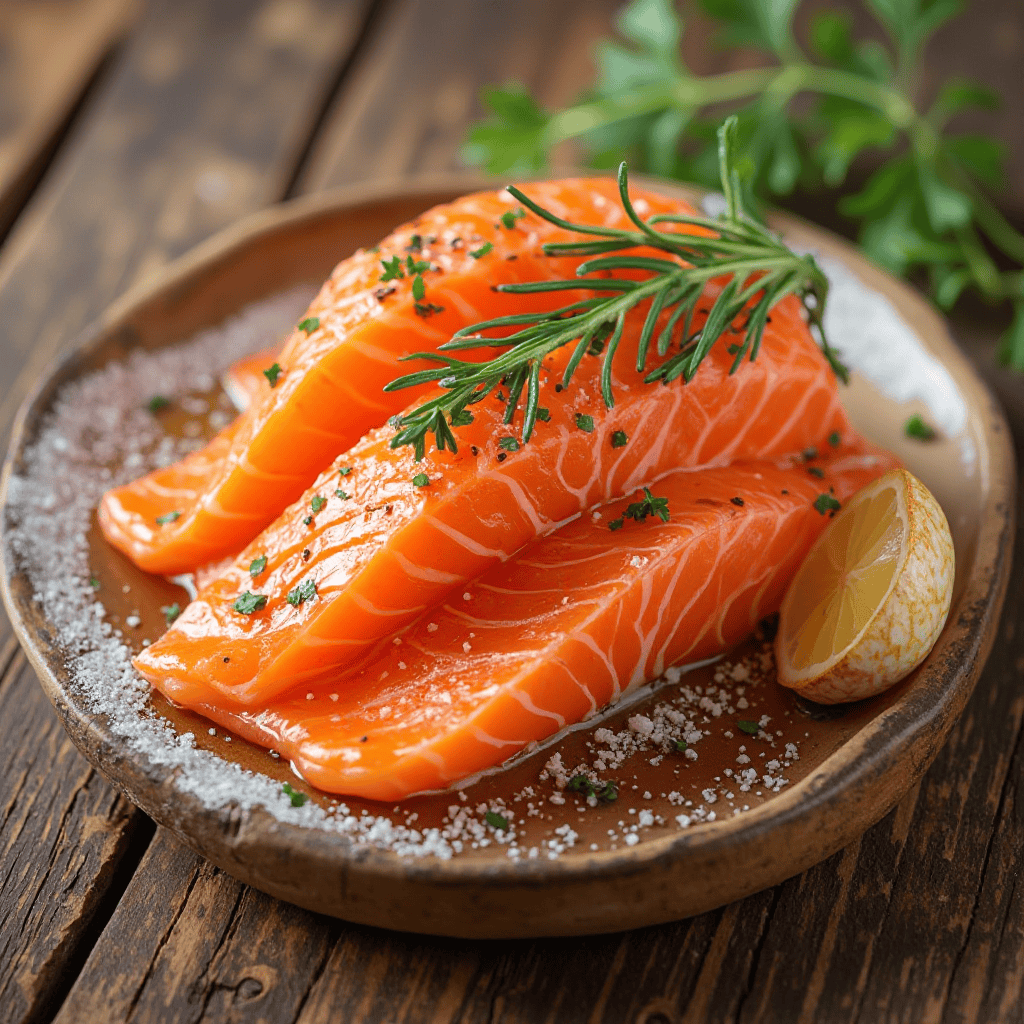
- Choose the right product: Buy salmon from a reputable seller and look for labeling that indicates it is intended for raw use, such as “sushi-grade” where that term is used. Ask about its handling and storage history. If the seller cannot confirm that it is suitable for raw consumption, choose salmon intended for cooking instead.
- Keep it cold: Take salmon home promptly and refrigerate it. Do not leave it at room temperature longer than necessary. If the fish has an unclear storage history or has not remained properly chilled, cooking is the safer choice.
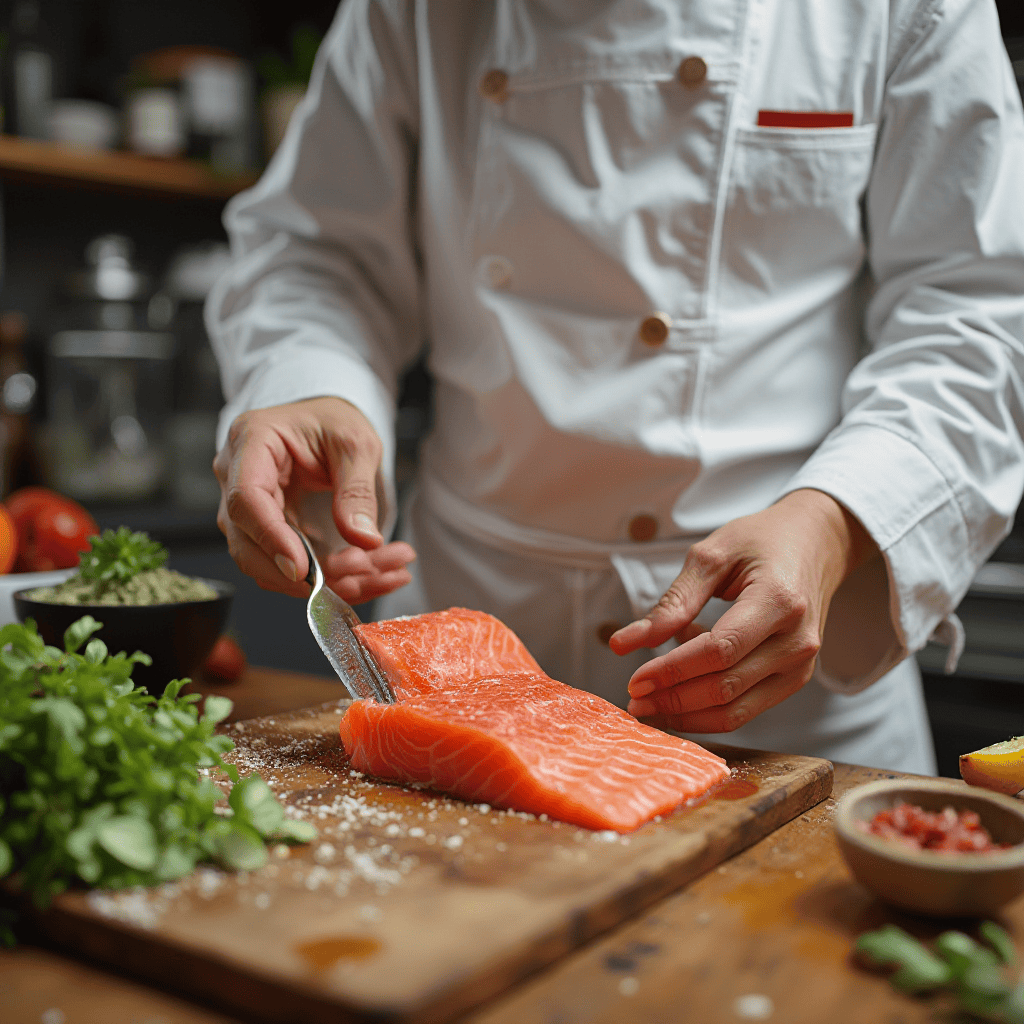
- Prevent cross-contamination: Wash your hands before and after handling the fish. Use clean utensils, cutting boards, and preparation surfaces, and keep raw salmon away from foods that will be eaten without cooking. Clean surfaces and utensils after use.
- Prepare and serve promptly: Keep the salmon chilled while preparing and serving it. Avoid serving raw salmon if its appearance, smell, packaging, or handling seems questionable. At a restaurant, choose an establishment that appears clean and handles raw fish carefully.
Freezing may help control some parasite risks, but it does not make raw salmon risk-free. When labeling, sourcing, or storage is uncertain, fully cooking the fish is the safer option.
Who Should Avoid Raw or Undercooked Salmon?
Some people should avoid raw or undercooked salmon because a foodborne infection may be more serious for them. The safer choice is fully cooked salmon.
- Pregnant people: Pregnancy can make certain foodborne illnesses more concerning for both the pregnant person and the developing baby. Avoid raw and undercooked salmon during pregnancy unless a health care professional gives different guidance.
- Young children: Children’s immune systems are still developing, making them more vulnerable to complications from foodborne illness. Fully cooked fish is the safer option.
- Older adults: The risk of serious illness from contaminated food can increase with age, so older adults should avoid raw or undercooked salmon.
- People with weakened immune systems: This includes people whose immune defenses are reduced by certain medical conditions or treatments. An infection that might be mild for someone else can be more severe.
If you are unsure whether raw salmon is appropriate for you, ask a health care professional. Choosing fully cooked salmon avoids the added risks associated with eating raw or undercooked fish.
Nutrition and Safety of Raw and Cooked Salmon
Raw and cooked salmon are both good sources of protein and other nutrients, but there is no special nutritional advantage to eating raw salmon. Some nutrients may be affected by cooking, and the texture will change, but salmon is a very healthy food, both raw and cooked.
The main difference is food safety. Raw salmon can contain dangerous bacteria or parasites, even if it looks and smells fine. These risks might be reduced with good sourcing, freezing, refrigeration, and hygienic preparation but cannot be eliminated completely. Salmon needs to be cooked to a safe internal temperature to lower the risk of harmful organisms.
Raw salmon can also be more dangerous to handle at home because it can contaminate cutting boards, utensils, hands, and ready-to-eat food. If you are eating it raw, eat salmon intended for raw consumption and follow local guidance. Keep it cold and cross-contamination down.
Fully cooked salmon is the safer choice for people at higher risk of serious foodborne illness—such as pregnant people, young children, older adults, and people with weakened immune systems. For anyone else, cooked salmon offers the most obvious safety benefit, with no loss of nutritional value.
Signs of Illness and When to Seek Care
Symptoms of contaminated raw salmon can include nausea, vomiting, diarrhea, stomach cramps, fever, or unusual tiredness. Some illnesses associated with contaminated fish have symptoms of parasites, such as continuing stomach pain or digestive problems. Symptoms can occur shortly after eating or take a long time to develop.
Seek medical attention if symptoms are severe, do not improve, or if you are unable to keep fluids down. Seek immediate medical care if you notice signs of dehydration, including infrequent urination, dizziness, extreme weakness, or dry mouth.
Seek medical attention if you have bloody diarrhea, severe abdominal pain, high fever, or confusion. “Pregnant people, young children, older adults, and people with weakened immune systems should contact a health care professional promptly if they develop symptoms after eating raw or undercooked salmon, because foodborne illness may be more serious,” he said.
If you become ill, tell your health care professional that you have recently eaten raw or undercooked fish. You can be careful with raw salmon, but these steps only reduce risk. If you are uncertain of safety, the fully cooked salmon is the safer choice.
The Bottom Line on Eating Raw Salmon
Raw salmon is not necessarily unsafe. The safety of raw salmon depends on its source, labeling, storage, and preparation. Buy salmon meant for raw consumption, like “sushi-grade (used where such labeling exists),” from a reputable source. Keep it properly chilled, keep hands and utensils clean, avoid cross-contamination, and follow local food-safety guidance.
These steps can lower the risk of harmful germs and parasites, but they can’t eliminate it entirely. If you don’t know how the fish has been handled or stored, cook it well instead.
Pregnant women, young children, older adults, and people who are immunocompromised should eat salmon that is fully cooked because foodborne illness can be more severe for them. It’s also a better choice if you’re unsure of the fish or how it was handled. The safer bet is cooked salmon, but raw salmon can be cooked carefully.









Leave A Comment
You must be logged in to post a comment.