

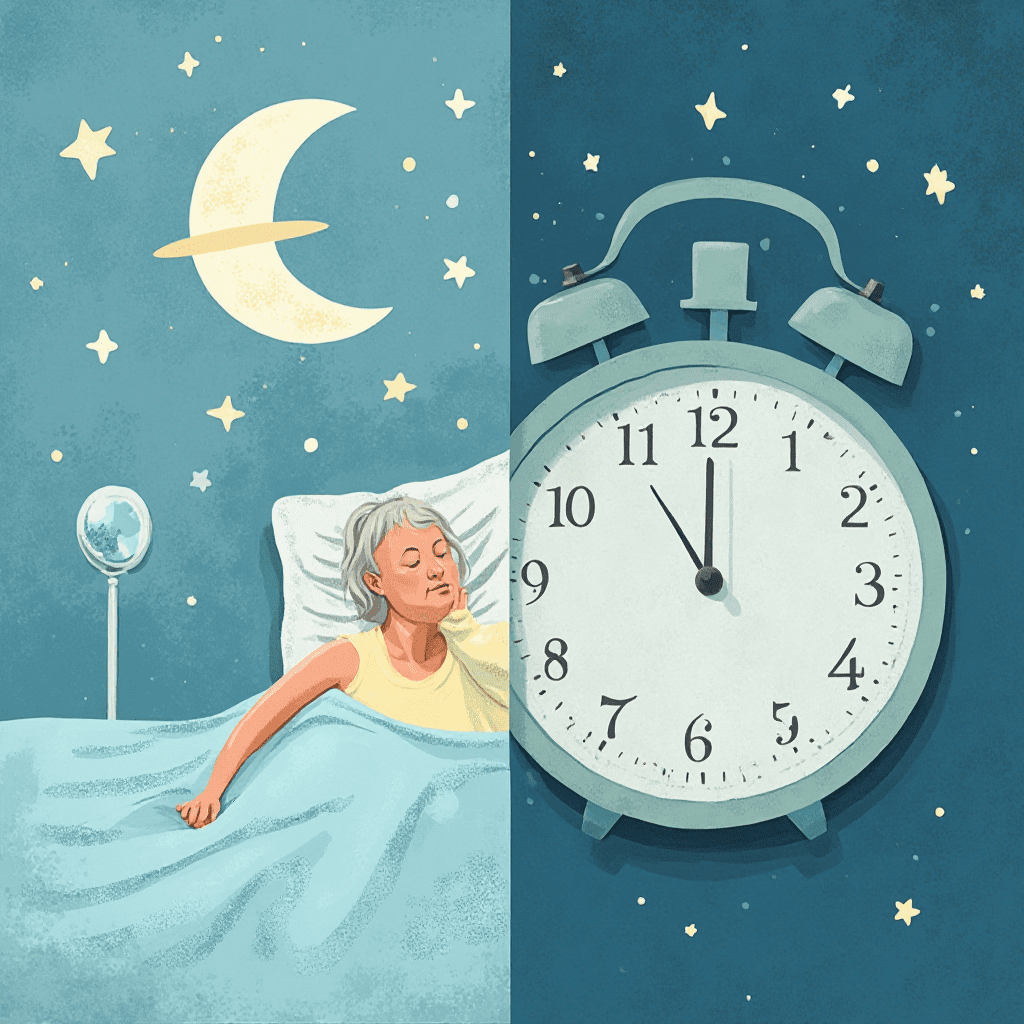

Is Sleeping Good for Cancer Patients? Discover the Truth
Is Sleeping Good for Cancer Patients? Discover the Truth
Is Sleeping Good for Cancer Patients? Discover the Truth
Sleep is the body’s natural reset button and an important part of overall health, which is often overlooked. But sleep may be complicated for those with cancer. The challenge for them as they journey through diagnosis and treatment is: Is sleeping good for cancer patients? The solution, which is scientific and experiential, sheds light on a complex reality only faintly hinted at by “rest.
Tumors and the treatment of cancer can disrupt the body’s internal clock, causing insomnia, anxiety and many sleep disorders. These difficulties not only make the sleep experience unpleasant, but they can also make it hard to recover from cancer.
In this context, the importance of sleep cannot be overstated, as it is a key factor that boosts immunity, balances hormones and enhances emotional health. The relationship between sleep and recovery is complex, and in the next sections, we’ll explore some details and practical steps for cancer patients to regain their nights and help them on the road to healing. Let’s discover the facts and why sleep plays an inescapable role in the cancer journey.
The Science of Sleep and Cancer Recovery
For cancer patients, good sleep is critical to health and a key element of recovery. In sleep states, the body undergoes many repair mechanisms, especially related to the immune system. The research indicates that the deep sleep stages are very important for enhancing the immune system’s ability to fight cancer cells and heal from treatment-related stress.
Research indicates, for example, that good sleep is linked to an increase in the number of tumour-fighting “front line” natural killer cells. This raises the idea of the benefits of sleeping for cancer patients. The evidence certainly points to a resounding yes.
Moreover, several studies have shown that sleep quality is beneficial for the effectiveness of cancer treatment. For instance, people who keep a regular sleep pattern tend to fare better in their treatment, such as improved response to chemotherapy and radiation.
Patients who focused on improving their sleep quality both tolerated treatment side effects better and had an overall improved sense of well-being. This convergence of sleep and medical interventions shows that a well-rested night can be a valuable complement to medical treatments and significantly impact recovery.
Furthermore, the depths of sleep are important in the healing process. Slow-wave sleep, or deep sleep, helps regulate important hormones and promotes growth and repair of tissues. During this sleep phase, the body releases growth hormone, which is important for healing and recovery.
Many cancer patients may struggle to get well and back to their energy without adequate deep sleep, which may be accompanied by feelings of fatigue and ill health that are often experienced during cancer treatment. Emphasizing approaches that improve deep sleep can be life-changing, ensuring patients receive the restorative sleep they need for a successful recovery.
To sum up, the science of sleep underscores its importance for cancer recovery. From bolstering immune function to enhancing treatment efficacy and promoting vital repair processes, quality sleep is indeed indispensable for those navigating the complexities of cancer treatment.
Understanding and valuing sleep can help patients and their caregivers take proactive steps to establish healthy sleep routines in their daily lives, thereby supporting healing.
Positive effects of good sleep
A good night’s sleep is foundational to physiological function and a key component of recovery in cancer patients. As the body goes through the different levels of sleep, such as deep sleep, it carries out important functions, including repair and growth.
In this healing stage, the body concentrates on repairing tissues, strengthening the immune system and balancing physiologic functions. You could consider sleep a nightly reset, during which the body gathers the energy and resources it needs to fight off disease. This rejuvenation is particularly important for patients with cancer, as cancer and cancer treatments tend to cause a weakened immune system in those patients.
Furthermore, sleep affects the inflammation in the body. Research has shown that inflammatory markers drop significantly during sleep and that the body can better tackle inflammatory responses, which can aggravate cancer symptoms.
For example, if a patient is experiencing side effects from treatment, they may have increased inflammation, which can cause discomfort or pain. Getting proper sleep can help reduce these effects and create a better environment for the body to recover and begin responding to treatment.
Good sleep not only helps reduce inflammation but also supports hormonal balance, which is essential for overall health. Hormones like melatonin and cortisol are released during sleep, playing a vital role in stress and metabolism control.
Balancing these hormones is essential for cancer patients, and imbalances can affect their mood, physical energy, and more. Good sleep helps maintain this balance, supports the immune system, and enhances overall well-being. The interdependence of sleep, hormones and recovery highlights the importance of sleep as a key component of an overall cancer treatment plan.
Cancer patients can take charge of their healing by prioritizing sleep and recognizing its physiological effects. The emphasis on sleep should not be limited to resting; it should be part of an overall treatment strategy that can affect not only the recovery process but also the quality of life.
Common sleep problems of cancer patients
Patients with cancer are likely to experience a variety of sleep disturbances, which can have a strong effect on their health and recovery. This population is more prone to insomnia, which is characterized by difficulty falling asleep or maintaining sleep.
It has been suggested that almost 30-50% of cancer patients suffer from insomnia, most commonly due to pain, worry about the disease and emotional distress following the diagnosis. Sleep apnea, or breathing disruptions during sleep, can also be common, especially if the person is being treated for a respiratory disease.
There are several reasons for these sleep problems. For example, some chemotherapy and radiation medications may cause pain, nausea and fatigue, which can interfere with sleep. Also, drugs used for treating the symptoms can cause daytime sleepiness, but can make the person drowsy at night.
Diagnosis, treatment and uncertainty over the future can worsen insomnia, leading to a vicious circle that can have a negative impact on mental and physical health. Irregular sleeping patterns or an environment that is not conducive to sleep can also contribute to these disorders.
These side effects of treatment can also make it difficult to sleep well, including pain, vomiting, and hot flashes. For instance, someone undergoing cancer therapy might experience night sweats that keep him or her awake multiple times during the night and make it impossible to get a good night’s rest—a deep sleep that is essential for healing.
Additionally, psychological effects can result in reduced resilience, feelings of isolation, and a higher incidence of waking and difficulty returning to sleep. These physical and psychological factors highlight the importance of comprehensive approaches to the investigation and treatment of sleep disturbances in cancer patients, as sleep hygiene measures such as establishing a bedtime routine and sticking to a sleep schedule may be crucial and influence sleep quality.
The first step for effective management is identifying and comprehending these disruptions and their causes. Patients and caregivers can work together to enhance sleep quality, thereby improving overall resilience and recovery during a potentially difficult journey, by creating a supportive environment and promoting good sleep hygiene.
Here are some tips to help you sleep better
Maintaining an ideal sleep environment is essential for cancer patients looking for a good night’s sleep. There are simple things you can do to improve sleep. First, reduce light and noise – blackout curtains can cut out outside light, and white noise machines or soft music can muffle disruptive noise.
The goal temperature for sleep is approximately 60-67°F, as it helps the body’s natural temperature drop during sleep. A cool, dark, quiet place can be the foundation for better, restorative sleep, which is key to the healing process when thinking about the question of “is sleeping good for cancer patients?”
A routine is also an essential technique. Sticking to a consistent bedtime routine, or keeping the same wake-up time each day, keeps the body’s clock in step, making it easier to fall asleep and get up over time. Relaxing pre-sleep habits can help to reinforce the body’s cue to slow down.
This can be a simple stretch, reading a book, or doing mindfulness meditation. Relaxation techniques help quiet the mind and body for sleep and support the physiological benefits of good sleep, aiding recovery and well-being.
Using the stress-reduction techniques before sleep can also greatly enhance sleep hygiene. Stress and anxiety may also be increased by cancer treatment, and can make sleep even worse. Journaling, for instance, about feelings or gratitude can help clear the mental clutter and provide emotional relief. Deep breathing exercises or guided imagery techniques can calm the nervous system, reduce tension, and promote relaxation.
These strategies can help achieve deeper sleep phases, which are essential for restorative sleep and healing processes, and ultimately provide a clear and confident ‘yes’ to the question of ‘sleeping is good for cancer patients’.
With these few changes, cancer patients can improve the quality of their sleep. This helps with the physical healing process and emotional strength during treatment. These practical tips can help empower patients and caregivers to improve health outcomes and remind them that good sleep is a key part of cancer care.
The part caregivers play in helping children sleep
Cancer can disrupt sleep patterns, in part because of treatment and the emotional impact of the diagnosis, and caregivers can make a significant contribution to creating a supportive sleep environment. Just a few easy tips can turn a bedroom into an oasis of peace and tranquility: Blackout curtains can create a peaceful atmosphere, and sound machines or background music can reduce noise.
For example, placing a relaxation candle or lavender sachet near the bed can not only help to relax but can also promote good sleep. Having a calm evening routine, like reading a book together or doing gentle yoga, can be a comforting way to wind down, prepare for sleep, and help create a sense of safety and familiarity.
Good communication is essential to addressing sleep problems. It is important for caregivers to feel free to open up a conversation with their loved ones about their sleep habits and concerns. As they share their observations, such as whether some medications have an impact on sleep or if stress levels increase at night, caregivers gain insight into their patients’ experiences.
A shared sleep diary can also help both to recognise patterns and triggers, anticipate together, and work together to adjust strategies in effective ways that support the patient in managing their fatigue.
Furthermore, it is important that a caregiver takes care of himself/her in order to take care of a loved one. Caring for a loved one can lead to physical and emotional stress and fatigue, which render the caregiver unable to help the loved one as well as they would like.
Resources such as local support groups or online forums can offer valuable insights and strategies for self-care. Support for caregivers to take breaks for respite care or to develop a support network of family and friends can help reduce stress and allow caregivers to be resilient and present.
By understanding the patient’s needs and working toward common objectives, caregivers can significantly improve the quality of sleep cancer patients receive and help them on the path to recovery.
How to know when you need professional assistance
For cancer patients, knowing when to call in the professionals for a sleep problem is essential. While some may dismiss their sleep issues as an unwanted side effect of treatment or stress, it is important to realize that chronic sleep issues can make it very difficult to get better.
When a patient can’t fall asleep or stay asleep, or isn’t sleeping restfully nightly, it may be time to seek personal health care advice. If symptoms include feeling tired throughout the day, becoming irritable, or difficulty concentrating, professional intervention is likely necessary.
People with sleep problems caused by cancer can try different therapies and interventions. Research studies have found cognitive-behavioral therapy for insomnia (CBT-I) to be especially effective, teaching patients good sleep habits and rectifying negative thoughts that can disrupt sleep.
In addition, medical professionals may prescribe medications to alleviate anxiety and aid in sleep; however, these should be used with caution and in accordance with the cancer care plan. Sometimes other treatments, such as acupuncture or mindfulness meditation, can offer significant relief for sleep trouble.
The importance of incorporating sleep discussions into a cancer plan cannot be overstated to fully support patients. Healthcare providers should regularly screen patients for sleep habits and have ways to address any concerns before they become a problem.
This preventive approach helps raise awareness of the role sleep plays in healing processes and may encourage a more open discussion of symptom management. Adopting a patient-centred care plan that incorporates sleep management may improve treatment effectiveness, as good sleep can strengthen the immune system and positively impact mood and recovery.
To sum up, sleep problems are common but should be addressed by a professional if they persist. Help and options to improve sleep quality for cancer patients should be explained and encouraged. Getting sleep is not only helpful, but it’s also a vital part of successful cancer recovery and a healthy life.
Myths and Misconceptions about Sleep and Cancer
A common misconception for a cancer patient is that sleep is a luxury, not necessary for recovery. This guilt may weigh heavily on many patients, as they feel they should make use of their time, whether by researching their condition or doing some light exercise.
This misconception can directly affect their ability to prioritize sleep, leading to fatigue and worsening physical and mental difficulties. Truthfully, sleep is essential for healing, supports immunity and reduces the stress hormones that can intensify during therapy. A feeling of guilt over sleep can unhelpfully complicate their shift, and it is important to shift the way we think of recuperative sleep.
The other common misconception is that all sleep is the same. For many people, the more, the better, but shorter segments of restless sleep offer little in the way of recovery benefits. Deep sleep is important for cancer patients because these stages are essential for healing and immune system restoration.
This myth may cause patients to minimize the importance of good sleep hygiene, including a relaxing bedtime ritual and seeking relaxation techniques to help them fall asleep. Healthcare professionals and patients alike need to promote the value of good sleep and dispel the notion that longer sleep alone leads to better health.
Debunking these myths involves helping patients understand the importance of sleep in their treatment plans. Adopting sleep-centered coping strategies can have a significant positive impact on cancer care and wellness. Guided meditation, progressive muscle relaxation, or breathing exercises can be effective for enhancing sleep quality.
These practices can improve sleep and provide patients with tools to manage stress and anxiety. By normalising talk of sleep, it can help remove the ambiguity around its importance and encourage patients to make sleep a strong, proactive decision, which is critical to their recovery.
To sum up, breaking these myths can be a key step in cancer patients learning to sleep as a supportive partner in their recovery journey. Tackling these myths together can create a space where patients feel safe focusing on sleep and can improve their health and quality of life.
Sleep is an essential component of cancer recovery and may be challenging
In the quest to understand the complex dynamics between sleep and cancer recovery, it’s evident that good sleep isn’t simply recommended; it’s required. Numerous studies highlight that sleep significantly bolsters the immune system and enhances the body’s ability to cope with the challenges posed by cancer treatments. However, sleep problems are an important target for helping patients become better and feel better after being diagnosed with cancer.
Proactive sleep management can have a ripple effect, with positive outcomes for both mental and physical well-being. Patients and caregivers can foster a restorative sleep environment by improving the sleep environment, developing a healthy sleep schedule, or communicating openly with health care providers about sleep problems.
Understanding the importance of sleep is a profound step toward supporting all aspects of cancer recovery. Well, is it healthy for cancer patients to sleep? Absolutely — it could be one of the most supportive decisions along their healing journey.
### FAQs
What happens when cancer patients sleep?
Rest is important for healing and may improve the outcomes of cancer treatment.
What are some typical sleep issues people with cancer experience?
Insomnia, disturbed sleep or excessive daytime sleepiness can occur in many cancer patients, due to pain, anxiety and cancer treatment side effects.
3. Is there a connection between sleep and recovery from cancer?
Indeed, improved sleep will help strengthen the immune system and improve mood and general well-being, which may aid recovery.
5. What is the amount of sleep needed for cancer patients?
Most adults need 7-9 hours of good sleep per night, especially during treatment.
5. What can be done to help cancer patients sleep?
Having a regular bedtime routine, a consistent sleep schedule, and even managing pain can make a huge difference in sleep quality.
6. Does sleep have a relationship to an increased risk for cancer?
With good sleep habits, there may be a greater risk of some cancers with chronic sleep deprivation, according to some research.
8. Do cancer patients need a doctor’s advice on sleep problems?
Absolutely. It’s important to talk to healthcare professionals about sleep issues to get personalized guidance and treatment.
8. Do cancer patients have any cancer sleep aids?
Other non-pharmaceutical interventions, including melatonin, herbal teas, and cognitive behavioral therapy for insomnia (CBT-I), have the potential to help, but it is important to consult a physician before taking any supplements.
cancer recovery, quality sleep, immune support, mental health, sleep hygiene, physiological benefits, fatigue management, research studies, coping mechanisms, restorative sleep,
cancer patients, caregivers, healthcare professionals, wellness enthusiasts,











Leave A Comment
You must be logged in to post a comment.